Table of Contents
Quick answer
Eindhoven neighborhoods each cater to distinct expat lifestyles and career phases. Strijp-S attracts young professionals with its industrial-chic apartments and creative scene, while Meerhoven appeals to families seeking modern amenities and international schools. Woensel offers affordable options closer to the city center, and surrounding areas like Son en Breugel and Nuenen provide village atmospheres within commuting distance.
- Strijp-S: Former Philips industrial site transformed into a design district with loft-style apartments, average prices 15-20% above city median
- Meerhoven: Planned family neighborhood with detached houses, international schools within cycling distance, premium pricing
- Woensel: Diverse area split between Woensel-Noord (affordable) and Woensel-Zuid (upmarket), strong public transport links
- Son en Breugel: Rural village character, larger properties, 15-minute drive to High Tech Campus
- Nuenen: Historic village associated with Van Gogh, popular with families seeking space and character
Introduction
A software architect from Silicon Valley spent three months viewing apartments across Eindhoven before realizing that neighborhood choice would shape her entire Netherlands experience more than the specific property. She initially focused on square meters and modern kitchens, but discovered that Strijp-S's evening energy suited her lifestyle far better than Meerhoven's family-oriented quiet—even though the Meerhoven property had better specifications.
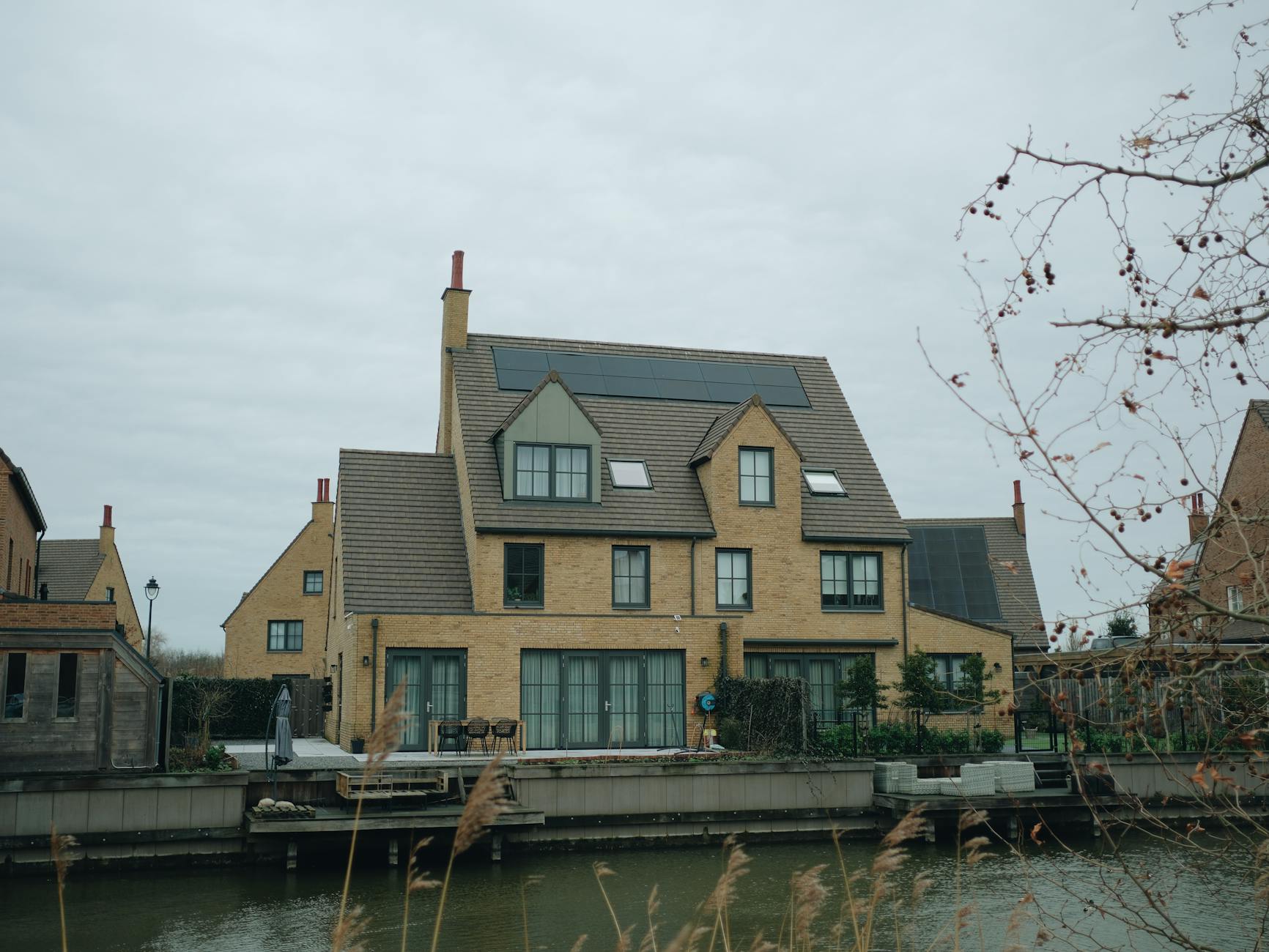
This pattern repeats frequently among international professionals relocating to Eindhoven. The technical specifications matter less than neighborhood fit, yet most expats research properties before understanding the distinct character each area offers. The choice between Strijp-S's urban energy, Meerhoven's planned perfection, or Son en Breugel's village charm determines daily routines, social connections, and long-term satisfaction.
The Xpat Agent observes that successful expat relocations typically involve matching neighborhood personality to lifestyle priorities before property hunting begins. Each Eindhoven area serves different life stages and preferences—from young professionals seeking nightlife proximity to families prioritizing school quality and garden space. Understanding these distinctions prevents costly mismatches and supports more confident housing decisions.
This article was generated with LaunchMind — try it free
Get startedThe challenge
Expat families and professionals face a neighborhood selection puzzle unique to Netherlands cities like Eindhoven. Unlike North American suburbs with similar characteristics, Dutch neighborhoods often blend residential, commercial, and cultural functions in ways that create distinct micro-communities within cycling distance.
Geographic complexity beyond tourist maps
Eindhoven's neighborhood boundaries don't align with administrative districts, creating confusion for internationals using online research. Strijp-S technically falls within Strijp, but feels entirely separate from residential Strijp-T or industrial Strijp-R. Similarly, Woensel encompasses both affordable Woensel-Noord and upscale Woensel-Zuid, yet these areas serve completely different demographics and price points.
The challenge deepens when considering commute patterns specific to Brainport employment. High Tech Campus employees living in Meerhoven face different daily routines than ASML staff choosing Son en Breugel, even though both work for major tech companies. These micro-location decisions affect everything from cycling safety to after-work social opportunities.
International school access patterns
Families with school-age children discover that proximity to international education creates complex trade-offs. The International School Eindhoven serves multiple neighborhoods, but cycling routes vary significantly in safety and convenience. A family in southern Meerhoven enjoys a direct bike path, while Strijp-S residents navigate mixed traffic areas that feel less comfortable for children.
This school proximity factor often overrides other preferences. Parents initially drawn to Nuenen's village character may choose Meerhoven instead when they calculate daily school transport logistics for multiple children.
Community integration variables
Dutch neighborhood social patterns differ from Anglo housing markets where neighbors maintain polite distance. Eindhoven areas like Son en Breugel expect more community participation—local events, seasonal celebrations, informal street-level interactions. International professionals comfortable with North American suburban anonymity may feel overwhelmed by village-style social expectations, while others thrive in these connected environments.
Put this into practice:
- Map your actual daily destinations (work, school, gym, groceries) before neighborhood selection
- Visit target areas at different times—morning commute, afternoon school pickup, weekend evenings
- Test cycling routes to key destinations using Google Maps bicycle directions
- Ask current expat residents about seasonal changes in neighborhood character and social expectations
The solution approach
Effective neighborhood selection for expats requires systematic evaluation across lifestyle priorities rather than property specifications alone. The most successful international relocations to Eindhoven involve understanding how Dutch neighborhood design differs from home country patterns, then matching personal preferences to local characteristics.
Commute optimization as primary filter
The Xpat Agent's approach uses commute analysis as the first neighborhood filter for Brainport professionals. High Tech Campus employees benefit from different location strategies than city center workers or those with flexible remote arrangements. A data scientist cycling daily to HTC prioritizes safe bike infrastructure and covered parking, while a consultant traveling frequently values proximity to Eindhoven Airport and highway access.
Commute patterns also determine social opportunities. Professionals cycling home through Strijp-S encounter evening restaurant scenes and colleague meetups, while car commuters to suburban neighborhoods miss these informal networking chances. This affects career development and social integration beyond simple travel time calculations.
Family lifecycle matching
Neighborhood character should align with current family stage and anticipated changes. Young couples planning children benefit from understanding school districts and playground availability before needing them, while families with teenagers consider secondary school options and public transport independence.
Meerhoven appeals to families with young children due to planned green spaces and car-separated cycling paths. However, teenagers often prefer areas with more independent mobility options and peer social venues. This lifecycle mismatch causes some families to relocate within Eindhoven as children age.
Cultural integration preferences
Some internationals thrive in distinctly Dutch environments like Nuenen or Son en Breugel, where local integration feels authentic and community connections develop naturally. Others prefer internationally mixed areas like parts of Strijp-S, where cultural differences feel more normalized and English conversation flows easily.
Neither approach is superior, but mismatched expectations create frustration. Professionals seeking Dutch cultural immersion may feel isolated in international bubbles, while those preferring multicultural comfort might struggle with village-style community expectations.
Put this into practice:
- Calculate door-to-door commute times for different transport modes (cycling, car, public transport)
- Visit neighborhoods during school hours to observe family patterns and child-friendly infrastructure
- Join Facebook groups or expat meetups specific to target areas before deciding
- Consider your social energy preferences—do you want neighborhood anonymity or community involvement?
Real-world example
Consider a typical expat family scenario: A Canadian couple with two children (ages 7 and 10) relocates to Eindhoven when the father accepts a senior engineering position at ASML. The mother works remotely for a Toronto consulting firm, requiring reliable internet and occasional video calls during North American business hours.
Initially attracted to Strijp-S for its modern aesthetic and English-language amenities, they discovered during area visits that the urban density and limited green space wouldn't suit their children's outdoor play habits. The eldest child particularly enjoyed cycling and needed safe routes for increasing independence.
After systematic neighborhood evaluation, they chose Son en Breugel for several practical reasons. The 20-minute cycling commute to ASML worked well for the father's schedule, while the mother appreciated the quiet village environment for morning calls with Toronto colleagues. The children adapted quickly to the local school and developed friendships through village sports clubs.
The trade-offs became apparent over time. Weekend social events required planning and travel into Eindhoven proper, as Son en Breugel's evening dining options remained limited. However, the family valued the larger garden space and community connections that developed through school events and neighborhood seasonal celebrations.
This example illustrates how systematic evaluation—commute logistics, work requirements, children's needs, and lifestyle preferences—led to a practical choice that supported both career success and family satisfaction. The decision prioritized daily functionality over initial aesthetic preferences, resulting in a successful long-term housing choice.
Put this into practice:
- Document your family's actual daily needs rather than aspirational preferences
- Test neighborhood visits during your typical work schedule to understand real commute patterns
- Involve children in area evaluation—their comfort and safety matter for family satisfaction
- Calculate the true cost of social trade-offs when choosing quieter areas over urban convenience
Neighborhood comparison analysis
| Neighborhood | Average Price Range | Commute to HTC | Family Amenities | International Community | Character |
|---|---|---|---|---|---|
| Strijp-S | €350-450k | 15 min bike | Limited green space | High expat density | Urban creative |
| Meerhoven | €400-550k | 12 min bike | Excellent schools/parks | Mixed international | Planned modern |
| Woensel-Noord | €280-350k | 25 min bike | Good public transport | Lower expat density | Traditional Dutch |
| Woensel-Zuid | €350-450k | 20 min bike | Cultural venues nearby | Medium expat mix | Upmarket residential |
| Son en Breugel | €350-500k | 15 min drive | Village community | Lower density | Rural village |
| Nuenen | €400-600k | 20 min drive | Historic character | Art community | Heritage village |
This comparison reveals how pricing correlates with amenities and international appeal, but doesn't capture the qualitative differences that determine day-to-day satisfaction. Strijp-S commands premium pricing for urban convenience, while Son en Breugel offers value for families prioritizing space and community.
Strijp-S: Creative district energy
The former Philips industrial complex transformed into Eindhoven's most recognizable modern neighborhood attracts young professionals and creative types. Loft-style apartments in converted factory buildings offer high ceilings and urban aesthetics, though at premium pricing compared to traditional Dutch residential areas.
Strijp-S excels for expats who prioritize walkable evening entertainment, colleague meetups, and cultural events. The area hosts design exhibitions, popup restaurants, and weekend markets that create natural social opportunities. However, families with young children often find the urban density and limited playground space challenging for daily routines.
Parking remains expensive and limited, making car ownership less practical. This works well for bike commuters to High Tech Campus or city center jobs, but creates limitations for families accustomed to car-dependent lifestyles.
Meerhoven: Planned family paradise
Designed as a complete community in the 1990s, Meerhoven offers the most family-oriented infrastructure in greater Eindhoven. Wide cycling paths separate from car traffic, numerous playgrounds, and the International School Eindhoven's proximity make this area particularly attractive to expat families with school-age children.
Housing consists primarily of detached and semi-detached homes with private gardens, appealing to families accustomed to North American suburban layouts. The planned nature means consistent architectural quality and neighborhood amenities, though some internationals find the uniformity less characterful than historic Dutch areas.
Meerhoven's success creates high demand and corresponding price pressure. Families often compete with multiple offers, making early preparation and local market knowledge essential for successful purchases.
Son en Breugel: Village authenticity
This traditional Dutch village offers authentic small-town character within reasonable commuting distance to major Brainport employers. Larger properties with substantial gardens appeal to families seeking space and rural atmosphere while maintaining career access.
Village life includes community expectations—local events, seasonal celebrations, and informal social connections that some internationals find enriching and others overwhelming. The authentic Dutch experience includes learning local customs and participating in community traditions.
Commuting requires car ownership for most residents, as public transport connections remain limited. This suits families comfortable with car-dependent routines but may not work for environmentally-conscious professionals preferring cycling commutes.
Put this into practice:
- Visit each area multiple times—weekday mornings, weekend afternoons, and evening hours
- Calculate total housing costs including parking, utilities, and commute expenses
- Test actual commute routes during relevant time periods to understand real travel patterns
- Join neighborhood Facebook groups or community boards to understand social expectations and local issues
Key factors for neighborhood selection
School district alignment
International families must navigate Dutch school systems or secure places at international institutions. The International School Eindhoven serves multiple neighborhoods but cycling distance and route safety vary significantly. Families in Meerhoven enjoy direct bike paths, while Strijp-S families navigate busier streets.
Dutch public schools offer excellent education with English-language support programs, but integration timelines vary by child's age and adaptability. Some neighborhoods like Nuenen have strong local schools with international-friendly approaches, while others may require longer adjustment periods.
Secondary school options become crucial for families with teenage children. Public transport independence allows teenagers more educational choices, making neighborhood connectivity important for older children's development.
Professional networking opportunities
Neighborhood choice affects career development through informal networking and colleague interactions. Strijp-S residents encounter tech professionals at local venues, while suburban families must make deliberate efforts to maintain work relationships outside office hours.
their methodology notices that professionals in mixed-international neighborhoods often develop stronger local career networks through shared experiences and mutual support. This community effect can accelerate career advancement and job opportunity awareness.
Home office requirements also influence neighborhood selection. Remote workers need reliable internet, quiet environments for video calls, and separation between work and family spaces. Village settings like Son en Breugel offer these advantages, while urban areas may present noise and space challenges.
Long-term investment potential
Eindhoven's continued economic growth and international company expansion generally support property value appreciation across all neighborhoods. However, different areas serve different market segments with varying demand patterns.
Strijp-S appeals to young professionals and maintains steady rental demand, while family neighborhoods like Meerhoven depend more on local employment stability and school reputation. Village areas offer lifestyle appeal but may have smaller resale markets.
Infrastructure improvements and urban planning decisions affect long-term neighborhood development. Areas with planned cycling path improvements or public transport extensions may appreciate faster than static locations.
Put this into practice:
- Research school enrollment policies and waiting lists before neighborhood commitment
- Attend local professional meetups or industry events to understand networking patterns
- Review municipal planning documents for infrastructure improvements affecting target neighborhoods
- Calculate potential resale timeline and market—will your neighborhood appeal to similar future buyers?
Integration and lifestyle considerations
Cultural immersion versus international comfort
Neighborhood choice determines the depth of Dutch cultural integration versus international community comfort. Areas like Nuenen and Son en Breugel offer authentic Dutch experiences with community involvement expectations, while internationally mixed areas provide cultural buffers and English-language convenience.
Some expats thrive on cultural immersion and appreciate the language practice and local tradition exposure that village life provides. Others prefer the multicultural understanding and shared experience available in international-heavy neighborhoods.
Neither approach is inherently superior, but mismatched expectations create dissatisfaction. Professionals expecting village anonymity may feel overwhelmed by community involvement expectations, while those seeking authentic Dutch experiences may feel isolated in international bubbles.
Seasonal lifestyle patterns
Dutch seasonal changes affect neighborhood character more dramatically than many internationals anticipate. Strijp-S's outdoor dining and evening activities contract significantly during winter months, while village communities maintain indoor social calendars and seasonal celebrations.
Cycling infrastructure performance varies seasonally, affecting daily commute comfort and reliability. Some neighborhoods maintain better winter cycling conditions through covered parking and protected bike paths, while others become less practical for year-round cycling commuters.
Social patterns also shift seasonally. Summer brings neighborhood festivals and outdoor gatherings, while winter emphasizes indoor activities and community centers. Understanding these patterns helps set appropriate expectations for social integration and leisure activities.
Long-term community development
Established neighborhoods like Woensel offer stable community patterns and predictable amenities, while developing areas like parts of Meerhoven continue evolving with new residents and facilities. Some internationals prefer established patterns, while others enjoy participating in community development.
The expat community density affects long-term satisfaction through shared experiences and mutual support networks. Areas with established international populations offer immediate community connections, while newer expat residents in traditionally Dutch areas must build networks more deliberately.
Community volunteer opportunities and local involvement options vary significantly between neighborhoods. Village areas often expect resident participation in local events and organizations, while urban areas offer more anonymous lifestyle options.
Put this into practice:
- Identify your cultural immersion preferences honestly—do you want daily Dutch practice or international comfort?
- Research neighborhood seasonal events and community expectations through local websites and Facebook groups
- Consider your timeline for community building—do you need immediate connections or enjoy gradual relationship development?
- Evaluate your willingness to participate in local traditions and volunteer activities that village life may expect
FAQ
Which Eindhoven neighborhood offers the best value for expat families?
Value optimization depends on family priorities and lifestyle preferences. Woensel-Noord typically offers the lowest purchase prices while maintaining good public transport connections to major employment centers. However, families prioritizing international school access may find Meerhoven's premium pricing justified by convenient cycling routes and established expat community support.
How important is proximity to High Tech Campus for neighborhood selection?
Commute convenience significantly affects daily satisfaction and work-life balance. Professionals cycling to High Tech Campus from neighborhoods like Meerhoven or southern Woensel typically report 15-20 minute comfortable rides on dedicated bike paths. Car commutes from villages like Son en Breugel take similar time but require parking costs and reduce flexibility for after-work activities.
What makes Strijp-S appealing to young professionals versus families?
Urban lifestyle factors create different neighborhood priorities by life stage. Strijp-S offers evening dining, cultural events, and colleague meetup opportunities that appeal to career-focused professionals. However, limited green space, expensive parking, and urban noise levels often make family daily routines more challenging compared to planned neighborhoods like Meerhoven.
How does The Xpat Agent help expats choose between neighborhoods?
Neighborhood matching involves systematic evaluation of lifestyle priorities against local characteristics rather than property specifications alone. The Xpat Agent guides clients through commute analysis, school district research, and community integration expectations to identify areas that support both immediate needs and long-term satisfaction before property searching begins.
Should expats prioritize Dutch integration or international community?
Cultural balance varies by individual preferences and adaptation styles. Some internationals thrive in authentic Dutch environments like Nuenen where language practice and local traditions accelerate integration. Others prefer internationally mixed areas where cultural differences feel normalized and English conversation flows easily. Both approaches can lead to successful Netherlands experiences when matched to personal preferences and family needs.
Conclusion
Neighborhood selection shapes expat experiences in Eindhoven more fundamentally than property specifications or pricing alone. Each area serves distinct lifestyle priorities—from Strijp-S's urban creativity to Son en Breugel's village authenticity—and successful housing decisions match personal preferences to local characteristics before property hunting begins.
The most satisfied international residents typically evaluate commute patterns, family needs, and cultural integration preferences systematically rather than focusing primarily on property features. This approach prevents costly mismatches and supports confident long-term housing decisions that enhance both career success and family satisfaction.
For expats beginning their neighborhood research, understanding how The Xpat Agent approaches systematic area evaluation provides structure for making informed decisions that support successful Netherlands relocations. The investment in proper neighborhood matching pays dividends through improved daily routines, stronger community connections, and enhanced long-term satisfaction with the Dutch housing choice.
Sources
- The Xpat Agent · Xpatagent