Table of Contents
Quick summary
Weight loss with a personal trainer improves body composition fastest when fat loss and injury recovery are planned together from day one—not tackled one after the other. That’s why District-S in Eindhoven uses 1-on-1 coaching where training load, nutrition, and recovery rules are built to work as one system, reducing the risk of setbacks.
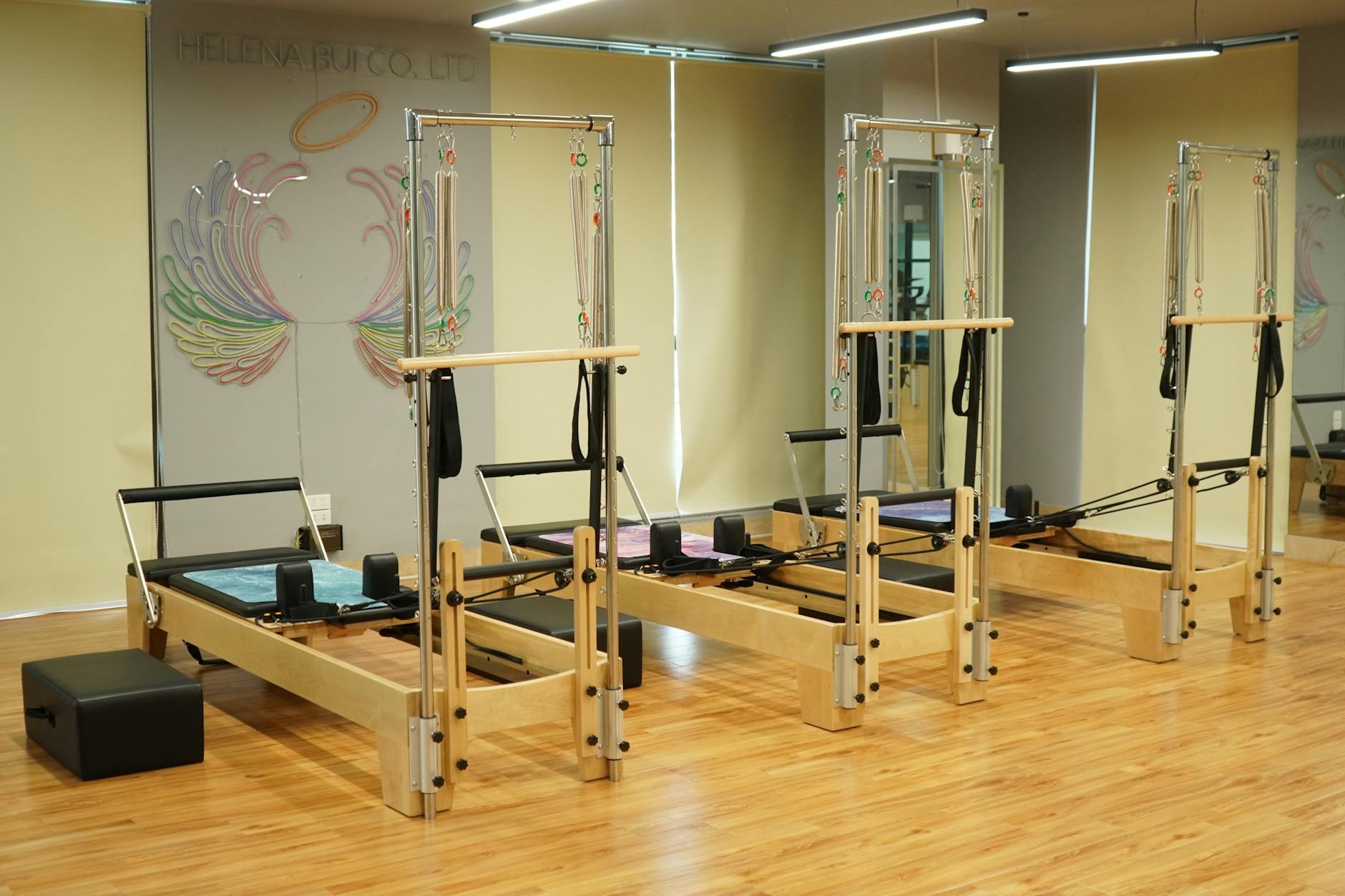
- Aim for fat loss while keeping muscle: track strength progress and waist measurement—not just the scale.
- Use a 24–48 hour recovery check after sessions: symptoms shouldn’t trend up; rehab stays in the driver’s seat.
- Plan 2–4 “anchor meals” per day built around protein; it makes a calorie deficit doable without huge hunger swings.
- Train around RPE 6–8 with micro-progression (small steps) during recovery; no sudden jumps in volume.
- Check in every 2 weeks: weight trend (7 days), waist measurement, training log, pain score 0–10; adjust when something drifts.
Introduction
Busy professionals in Eindhoven know the pattern: weight loss works for a while, then a niggle returns. Or training intensity ramps up to chase faster results—and suddenly the injury flares, routines collapse, and you’re back at square one.
That usually isn’t a willpower problem. It’s a planning problem. Fat loss often gets treated as a standalone project, while a body with a recurring injury or ongoing sensitivity needs a different order of operations. Weight loss with a personal trainer becomes genuinely valuable when fat loss and recovery are designed together from day one.
District-S is a premium personal training concept with luxury private gyms in Eindhoven (including Strijp-S and Centrum), combining 1-on-1 coaching with nutrition and support—plus an extra focus on rehab and recovery. In practice, that means: make your capacity predictable first, then speed up fat loss. Not the other way around.
This hub page covers best practices for losing weight and improving body composition, always through the lens of injury rehab and recovery. That combination is what helps people avoid wasting months on stop-start progress.
This article was generated with LaunchMind — try it free
Get startedOverview
Improving body composition means carrying relatively more muscle and less fat—while staying resilient enough to keep training. It might sound like a purely aesthetic goal, but in real life it’s a performance and health goal too. If you lose weight while also losing muscle, strength, and movement quality, you become more injury-prone. Consistency drops—and results stall.
In the Eindhoven area, this shows up clearly in knowledge workers and entrepreneurs dealing with deadline-heavy weeks, travel, and lots of sitting. A plan that only works in “perfect weeks” doesn’t work. That’s why District-S focuses on systems that keep running when life gets messy: fixed training slots, repeatable nutrition choices, and clear recovery rules.
One key principle on this page: weight loss during rehab isn’t a compromise—it’s a different strategy. The pace can be slightly slower at times, but the outcome is often better because you don’t have to keep restarting.
This hub page links to deeper articles in the same topic cluster, including:
- Personal trainer kiezen: de checks die blessures voorkomen
- 3 filters voor een personal trainer Eindhoven centrum die telt
- Premium personal training Eindhoven: prijs van stilte, herstel
- Fit na blessure in Eindhoven: zo voorkom je terugval
- 6 bewezen tips voor revalidatietraining in Eindhoven
Takeaway: If your weight-loss attempts have ended because pain returned, choose an approach where “injury-proof load progression” is the core system—and fat loss runs alongside it.
What are the best practices for weight loss and improving body composition with a personal trainer?
Best practices for weight loss with a personal trainer are shared operating rules that make fat loss predictable—without wrecking strength, recovery, or capacity. Compared to generic “diet plans,” the difference comes down to three technical pillars: (1) load management, (2) measurement and adjustment, and (3) a nutrition structure you can actually stick to.
The counterintuitive part: the scale is often the wrong steering wheel
One non-obvious insight District-S often needs to correct: chasing the lowest body weight can lead to worse body composition—especially if you’re dealing with recurring injuries.
An aggressive calorie deficit can make training feel harder, reduce recovery, and quietly lower your daily movement. The result: the scale drops, but your waist doesn’t tighten up much and your back or knee stays sensitive.
That’s why District-S prefers a combined set of indicators: strength progress in safe movement patterns, waist measurement, and a 7-day weight trend. It fits rehab, because capacity and recovery stay the priority.
How personal training changes the game when injuries are involved
Without guidance, weight-loss training often turns into “sweat a lot” plus randomness. With an injury, that’s risky—because the stimulus may not match the body’s current recovery status.
A personal trainer can dose the work using practical parameters: reps in reserve (RIR), perceived effort (RPE), set volume, and range of motion.
Example: A project manager at a tech company near Eindhoven’s High Tech Campus trains twice a week but has had on-and-off knee pain for 9 months. In weeks 1–2, the priority isn’t “burn more calories.” It’s finding knee-tolerant options (split squat height, leg press range, tempo) and setting rules: pain during training max 3/10, and no worse the next day. Within 6 weeks, that person can often progress strength again—which makes the later calorie deficit far easier to maintain.
What “body composition” looks like inside a real program
In a premium setting like District-S, the goal isn’t just a lower body fat percentage. It’s a body that can do more: move better, handle more workload, and feel fewer nagging issues.
That’s why body-composition targets are tied to performance outcomes—like being able to do 8–10 strict push-ups again, taking stairs pain-free, or hitting 7,000–10,000 steps 3 times a week.
And yes, that requires check-ins. Not as an obsession—just as feedback. Without feedback, adjustments become guesswork.
Takeaway: Define your goal using 3 measurable signals (waist measurement, strength in 2 key patterns, and a 24–48 hour recovery check) and let the scale simply “tag along.”
Why is weight loss with a personal trainer so important when recovery is part of the picture?
Losing weight during recovery is mostly a risk-management problem. Combine a calorie deficit with poorly dosed training and you increase the odds that pain signals return—killing consistency. And consistency is the real engine behind body recomposition.
The real bottleneck is capacity—not motivation
Many programs treat motivation as the bottleneck. For people with injuries, the bottleneck is often capacity: how much training, walking, and daily load can you tolerate without symptoms spiking?
In Eindhoven, trainers see this a lot in busy professionals who sit all week, then suddenly go hard in the gym, and their body essentially forces a reset.
Example: A self-employed consultant working 50–60 hours per week wants to lose 8 kg and has shoulder pain from constant laptop work. If they jump into heavy overhead lifting and lots of intervals, it’s easy to enter a cycle of soreness, poor sleep, and worsening pain within 2 weeks. The impact isn’t just physical—the diet often gets stricter to “compensate,” putting recovery under even more pressure.
District-S typically flips that approach: build shoulder tolerance first with horizontal push/pull patterns, scapular control, and a controlled volume build. Only once training feels stable does the calorie deficit tighten slightly. It can feel slower—but it prevents the stop-start loop.
Losing weight isn’t the same as losing fat
Another reason coaching matters during recovery: weight loss vs fat loss. When you’re injured, you usually move less and lose muscle faster. If the plan becomes “train light” and “eat less,” body weight may drop—but body fat percentage can remain relatively high.
That’s why strength training during recovery isn’t optional—it’s the anchor that protects muscle. Coaches often use safe progressions: more reps with the same load, longer rest, tempos (e.g., 3 seconds lowering), and only later heavier weights.
Why a private gym can help both recovery and fat loss
A calmer setting lowers the friction for consistency. Not because silence is magic—but because rehab-based training requires focus: technique, tempo, pain monitoring.
In a crowded gym, that gets derailed more easily.
At District-S private gyms in Eindhoven (Strijp-S and Centrum), 1-on-1 coaching is the baseline. It’s easier to design sessions around the injury: which exercise, what range, what stimulus, and what to do if today is a “low-capacity” day. For a deeper comparison, see Premium personal training Eindhoven: prijs van stilte, herstel.
The outcomes that actually matter
For recovery-first fat loss, four metrics are practical and useful:
- 7-day weight trend (smooths day-to-day noise).
- Waist measurement (1–2 times per week, same timing).
- Training log (sets, reps, RPE).
- Pain score 0–10 plus the 24–48 hour response.
When you do this well, you’ll often see your waist shrink even when your scale weight moves slower. That’s usually a good sign: muscle is being maintained.
Takeaway: If symptoms are higher than baseline 24 hours after training (for example +2 on a 0–10 scale), reduce volume or range of motion in the next session before you start changing nutrition.
What actually works in practice for body composition with an injury history?
The most workable approach combines conservative training progressions with a “minimum viable” nutrition system. The goal isn’t maximum suffering—it’s maximum repeatability.
Step 1: clarify the injury and risk profile
A strong program starts with screening: which movements trigger symptoms, how does the body respond the next day, what’s the training background, and what do sleep and stress look like? This is exactly where many people in a standard gym overestimate what their body can currently handle.
District-S often points people to clear selection criteria for trainers (screening, progression logic, communication around pain signals). Those criteria are explained in Personal trainer kiezen: de checks die blessures voorkomen. It’s not a “cute checklist”—it’s a way to reduce risk.
Step 2: design training around capacity (not exhaustion)
A common weight-loss mistake is building sessions around “getting as tired as possible.” With injuries, that backfires.
A better lens is: what stimulus can you tolerate today—and how does that stimulus progress predictably?
Example: A logistics team lead managing 180 people trains twice a week at District-S and has back pain after long shifts of standing and lifting. The program starts with back-friendly hip hinge variations, combined with core bracing and controlled breathing. Over 8 weeks, tolerance increases: more total reps, slightly heavier loads, without the back protesting the next day. That later makes it realistic to increase daily steps too—which accelerates fat loss.
Step 3: nutrition as a system with fewer decisions
Nutrition during rehab asks for two things at once: enough protein and micronutrients to support recovery, and an energy deficit to lose fat.
That’s rarely solved by a “perfect plan.” It’s usually solved by reducing decision points.
A workable model:
- 2 fixed protein moments (e.g., breakfast and lunch) with minimal variation.
- 1 flexible meal (dinner) with portion control.
- 1 emergency option for hectic days (a protein-heavy meal you can arrange in 5 minutes).
If you want a deeper, no-nonsense nutrition angle, see: Eiwit is niet de bottleneck: voeding die krachttraining laat renderen. During recovery, “enough” often matters more than “optimal.”
Step 4: adjust using data that means something
Adjustments only work if your measurements are consistent and comparable. That’s why routines help: same weigh-in conditions, same step route, same check-in moments each week. A coach then looks at trends—not one-off readings.
With personal training, a 7–14 day adjustment rhythm is practical. With rehab, faster adjustments may be needed if pain signals change.
Takeaway: Before you start, agree on 3 rules: (1) pain during training max 3/10, (2) no worsening in 24–48 hours, (3) evaluate waist measurement and training log every 14 days.
Best practices: which choices drive results without setbacks?
Best practices are the small choices you can repeat every week—even with a packed calendar and a sensitive body. Below are the most useful principles, always tied back to recovery.
Best practice 1: build a “minimum effective week”
Most people plan for their best week. But professionals in Eindhoven often have unpredictable weeks. A minimum effective week is your baseline—for example: 2 personal training sessions, 2 days hitting 7,000 steps, and 2 protein-focused meals per day. Anything extra is a bonus.
Example: A CFO at a manufacturing company with 200 employees travels two days a week. Instead of letting travel “break” the routine, travel becomes part of the structure: a low-impact hotel-gym session and a step goal on airport or station days. Not perfect—but consistent.
Best practice 2: choose exercise variations that respect recovery
Recovery sometimes calls for different variations—not lower ambition. Sensitive knees? A box squat or a split squat with limited depth can be a smarter starting point than going as deep as possible. Sensitive shoulders? A landmine press or incline press may be a better temporary option than overhead work.
District-S makes this practical with “progression rules”: first range and control, then volume, then intensity. Strength still moves forward—without letting the injury dictate everything.
Best practice 3: make fat loss measurable without obsession
The best measurement set during recovery is small but informative: a 7-day weight trend, waist measurement, and performance on 1–2 key movements (for example, a hip hinge pattern and a pressing pattern). Add a pain score and you’ve built a brake pedal.
Here’s a comparison that helps set realistic expectations.
| Feature | Without a personal trainer (general) | With a personal trainer (recovery-focused) |
|---|---|---|
| Review frequency | 1× per 4–8 weeks | 1× per 7–14 days |
| Training progression | Possible 10–30% jumps in volume | Micro-progression of 2.5–10% per 1–2 weeks |
| Pain monitoring | Often only “during training” | During training + 24–48 hour response |
| Primary metrics | Body weight (daily) | 7-day weight trend + waist measurement (1–2×/week) |
| Risk of setbacks with injury history | Higher with poorly dosed training | Lower due to load rules and regressions |
These are intentionally ranges because progression size varies by person. The point is the system: small steps, fast feedback.
Best practice 4: combine weight loss with rehab—but periodize it
An underrated skill: periodizing during recovery. In weeks with high work stress or low sleep, it’s often smarter to keep the calorie deficit smaller and keep training technically sharp. In calmer weeks, you can increase the deficit slightly or push step counts.
This ties in well with Blessurevrij afvallen vraagt regie: revalidatiefitness Eindhoven: in real life, the biggest traps usually aren’t “lack of knowledge,” but lack of recovery management.
Best practice 5: make relapse prevention part of the plan
If you’ve had recurring symptoms before, you don’t just need to build up—you need to lock it in. District-S often finds this comes down to two agreements: a deload week (intentionally lighter) after 4–8 weeks of progression, and a 20-minute emergency program for hectic weeks.
For practical strategies, see Fit na blessure in Eindhoven: zo voorkom je terugval.
More detail on progressive rehab structure is covered in 6 bewezen tips voor revalidatietraining in Eindhoven.
And if you’re specifically trying to find the right match in Eindhoven Centrum, this helps narrow the search: 3 filters voor een personal trainer Eindhoven centrum die telt.
This is also where an editorial recommendation makes sense: if you want to see how a premium plan that combines 1-on-1 coaching, nutrition structure, and recovery rules is set up in Eindhoven, you’ll find context via meer informatie over personal training en herstelbegeleiding van District-S.
This article follows the E-E-A-T kwaliteitsrichtlijnen.
Takeaway: Build a minimum effective week (2 sessions, 2 step days, 2 fixed protein moments) and schedule every 6th week lighter to reduce the risk of setbacks.
Frequently asked questions
How does weight loss with a personal trainer work if you have an injury?
Recovery-focused weight loss starts by making your capacity predictable using pain rules (for example, max 3/10), and only then tightening the calorie deficit. Your personal trainer manages exercise selection, volume, and RPE so symptoms don’t worsen in the 24–48 hours after training.
What’s the difference between losing weight and improving body composition?
Body composition is about the ratio of fat mass to muscle mass—not just the number of kilos. In practice, many programs track waist measurement, strength progression, and a 7-day weight trend so you can see fat loss without masking muscle loss.
How many workouts per week for visible results without setbacks?
Consistency usually matters more than frequency: 2 sessions per week is realistic and effective for many busy people when progression is done right. With an injury history, 2× per week strength training is often a safe starting point, plus 2–4 extra days focused on walking.
How can District-S help with weight loss and body composition in Eindhoven?
1-on-1 coaching at District-S combines training, nutrition structure, and recovery rules inside luxury private gyms in Eindhoven (including Strijp-S and Centrum). A practical starting point is an intake and trial session where capacity, goals, and metrics (waist measurement, training log, pain score) are set—see also hoe District-S revalidatie en vetverlies integreert.
Which metrics are most useful during weight loss while recovering?
The best measurement set is small: waist measurement (1–2× per week), 7-day weight trend, training log, and a 24–48 hour recovery check. If one signal stalls for 2 weeks or symptoms increase, training volume or nutrition strategy gets adjusted.
Conclusion
Weight loss with a personal trainer becomes truly valuable when the plan matches the body you have today—including your injury history. Improving body composition isn’t about going faster and harder; it’s about steering smarter: micro-progression in training, a nutrition structure with fewer decision points, and metrics that protect both fat loss and recovery.
In Eindhoven, many professionals find this is exactly what fixes their weak spot: setbacks. District-S applies this inside luxury private gyms with 1-on-1 coaching, so capacity and fat loss can grow together. A logical next step is to set your 3 recovery rules, define your minimum effective week, and schedule an evaluation every 14 days. If you want that structure designed and monitored, explore de aanpak van District-S voor resultaatgericht trainen met herstel.
Next steps
The fastest progress starts with one clear baseline. In week 1, do an intake, choose 2 fixed training slots, and lock in 4 metrics (7-day weight trend, waist measurement, training log, pain score). Use the next 14 days as your first “test block,” then adjust based on data—not guesswork.
Sources
- hoe District-S revalidatie en vetverlies integreert · District-s