Table of Contents
Quick summary
Most people stop working out because they lack structure, expect results too quickly, and don’t get the personal support they need. In practice, traditional gyms often see dropout rates of around 80% within the first year, while personal training can reduce that to 15-20%.
- No clear workout plan often leads to frustration and drop-off within 6-8 weeks
- Without progress tracking, it’s hard to feel like you’re getting anywhere
- Training plans that don’t fit real life quickly become unsustainable
- Personal training provides structure, measurable goals, and flexibility that works with a busy schedule
- Premium coaching in Eindhoven combines training, nutrition, and mindset support for long-term results
Introduction
A marketing manager at a tech company in Eindhoven signs up for a yearly membership at a big-box gym. He starts strong, training four times a week for three weeks straight. Then work gets hectic, he misses a week, feels guilty, and three months later he walks through the gym doors for the last time. His story is far from unusual.
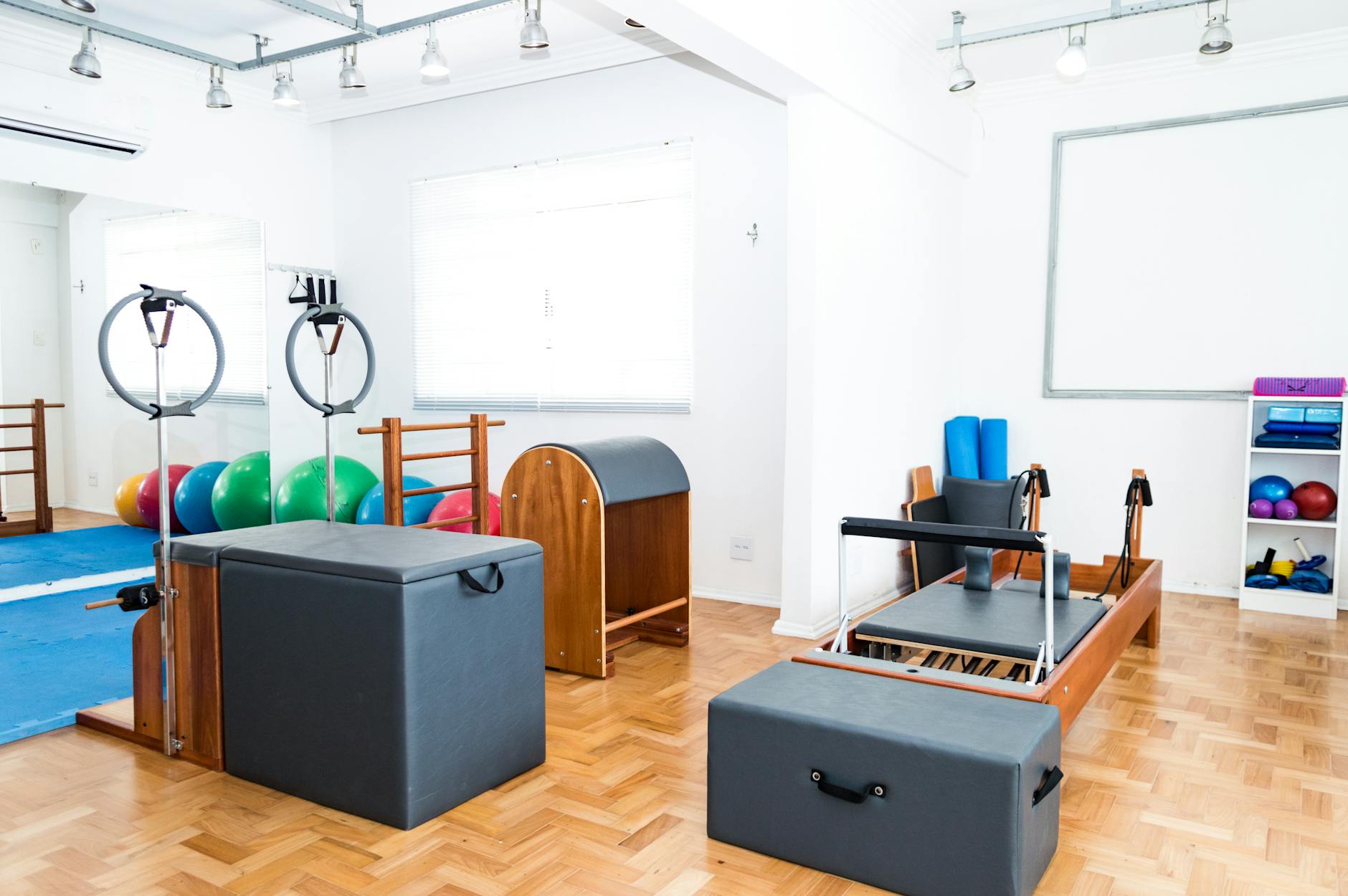
The numbers are hard to ignore: industry data shows that around 80% of new gym members quit within twelve months. This isn’t about laziness or weak motivation. It’s a structural problem in the way people approach fitness — and in the way traditional gyms support their members.
District-S sees this pattern every day during intake sessions in Eindhoven. People come in with stories about failed attempts, burnout, and frustration over not seeing results. That’s why the District-S approach goes beyond the workout itself. It focuses on breaking the patterns that cause people to quit in the first place.
The answer isn’t more motivation or harsher discipline. It’s a completely different approach — one where personal training removes the root causes of dropout.
This article was generated with LaunchMind — try it free
Get startedThe real reasons people stop working out
No clear structure or sense of progress
One of the biggest problems in traditional gyms is that people don’t have a real training plan. They show up, do a few exercises they remember from last time, and hope for the best. Without structure, workouts become random, and progress is almost impossible to measure.
A finance director at a logistics company recently shared that he spent months doing the same three exercises simply because he didn’t know what else to do. “I felt stronger in the first month, but after that nothing changed. No progress, no visible difference — just time spent.”
District-S solves this with weekly training plans where every session has a clear purpose. Members know exactly what they’re doing, why they’re doing it, and how each workout supports their long-term goals. That structure turns training into a logical progression instead of a disconnected mix of exercises.
Unrealistic expectations about time and results
A lot of people start exercising with unrealistic ideas about how quickly results should show up. Social media and ads promise dramatic transformations in eight weeks, but real changes in body composition and fitness usually take at least three to six months of consistent training.
When those expected results don’t appear after a month of intense effort, disappointment kicks in. That disappointment turns into doubt, lower motivation, and eventually giving up.
In real life, personal trainers see sustainable results becoming truly visible after about 12-16 weeks of training. Improving body composition takes patience, consistency, and the right guidance to set realistic milestones.
Lack of coaching and feedback
Without proper guidance, people make mistakes with form, training intensity, and recovery. Those mistakes don’t just slow results down — they also increase the risk of injury and frustration. Poor squat form can lead to knee pain, while pushing too hard without enough rest can leave you worse off instead of stronger.
Personal training removes much of that risk through constant feedback and correction. Trainers spot technical issues right away and can adjust on the spot. They also tailor the session based on how someone feels that day, which helps prevent injury and improves the quality of training.
What you can do:
- Review your current routine: do you have a structured plan that changes from week to week?
- Track progress beyond the scale, such as strength, fitness, or body fat percentage
- Ask yourself whether a qualified trainer ever checks your form
- Set realistic timelines: allow at least 16 weeks for visible changes in body composition
How personal training helps prevent drop-off
Personalized workout plans that fit your schedule
Personal training starts by looking at someone’s actual availability, fitness level, and goals. An operations manager working 50 hours a week needs a very different setup than an entrepreneur with a flexible calendar. That tailored approach makes training realistic, even during busy periods.
District-S creates a training schedule for each client that matches the rhythm of their work life. Someone who needs to be in the office early might train at 7:00 a.m. or during lunch. An entrepreneur with unpredictable days gets flexible time slots and can move sessions without penalty fees.
That flexibility is essential for consistency. Traditional gyms expect you to work around their schedule. Personal training works around yours.
Measurable goals and regular progress reviews
Personal trainers work with clients to set concrete, measurable goals. Instead of vague goals like “get fitter,” they focus on targets such as “do 10 push-ups,” “lose 5 kilos,” or “sit through a full workday without pain.” Specific goals make progress visible and motivating.
Every four to six weeks, there’s a detailed progress review. That includes more than physical measurements like weight, body fat percentage, and strength. It also covers how someone feels, where they’re getting stuck, and what needs to change in the training plan.
A marketing director at a consulting firm saw her deadlift increase from 40 to 80 kilos in four months of personal training. “That kind of progress gave me confidence that the process was working, even before the scale changed much.”
Training, nutrition, and mindset support together
Lasting behavior change takes more than exercise alone. District-S combines workout sessions with nutrition advice and mindset coaching. That broader approach addresses all the factors that affect consistency.
Customized nutrition plans help people fuel their workouts properly and see results faster. Mindset coaching helps break negative thinking patterns and build routines that actually stick.
This all-in approach means members don’t just learn how to train. They learn how to adjust their lifestyle in a way that supports their goals. The result is real behavior change, not just a temporary burst of motivation.
What you can do:
- Put your workouts in your calendar the same way you schedule important meetings
- Set one specific, measurable goal for the next 8 weeks, such as doing 20 push-ups in a row
- Keep track of how you feel after each workout and which exercises feel best
- Get support if you haven’t made progress in strength or fitness after 4 weeks
The psychology behind long-term exercise habits
Intrinsic vs. extrinsic motivation
Most people start working out because of extrinsic motivation: they want to look better, impress others, or meet social expectations. That kind of motivation can be powerful at first, but it tends to fade quickly once the outside pressure disappears or results come slower than expected.
People who stick with exercise long term usually develop intrinsic motivation. They work out because it gives them energy, makes them feel stronger, or because they genuinely enjoy the process. Personal trainers play a key role in that shift by moving the focus from appearance to experience.
One senior consultant described how his perspective changed during personal training: “At first I mainly wanted to lose weight for a wedding. Now I train because I feel more energized in the evening and I sleep better. The wedding is long over, but I’m still going.”
The power of small wins
Long-term behavior change is built on a series of small wins that boost confidence over time. Personal trainers are skilled at creating those moments. Every session gives you something tangible: one more rep, better form, or finally completing an exercise that felt out of reach before.
Those small wins activate the brain’s reward system and make it easier to keep going. It’s far more effective than waiting months for a dramatic transformation.
District-S intentionally builds that momentum by structuring workouts around achievable challenges. Members regularly discover they can do something this week that they couldn’t do the week before, which strengthens confidence and consistency.
Accountability and social support
People often break promises to themselves more easily than promises to someone else. A personal trainer creates a level of accountability that’s missing when you train alone. You have a scheduled session, someone is expecting you, and that makes it much easier to show up.
But accountability goes beyond simply keeping appointments. A good trainer becomes a partner in the process — someone who believes in your potential and helps you work through obstacles. That relationship often becomes a major reason people stay consistent.
Personal training also creates a more comfortable environment where people can try new movements and push themselves without feeling judged by other gym-goers.
What you can do:
- Get clear on why you want to exercise beyond appearance — energy, strength, health, focus
- Celebrate small wins: write down one thing each week that improved
- Find a workout partner or trainer for support and accountability
- Train at fixed times so exercise becomes a habit instead of a daily decision
Comparison: traditional gym vs. premium personal training
| Aspect | Premium Personal Training | Traditional Gym |
|---|---|---|
| Support | 1-on-1 coaching and continuous feedback | Little to no guidance |
| Workout plan | Customized and updated weekly | Self-directed or generic template |
| Flexibility | Appointments tailored to your schedule | Fixed opening hours and peak-time crowds |
| Progress tracking | In-depth review every 4-6 weeks | Usually just your own scale |
| Dropout rate | 15-20% in the first year | 80% in the first year |
| Time to results | Visible change in 12-16 weeks | Unpredictable or inconsistent |
The numbers speak for themselves: while traditional gyms often see dropout rates of around 80%, premium personal training tends to land between 15-20%. That gap isn’t because personal training clients have more willpower. It’s because the system is designed to help them succeed.
The higher cost per session is often offset by the much greater chance of success and faster results. A year-long gym membership that doesn’t lead anywhere can easily cost more in the long run than six months of effective personal training that delivers lasting change.
District-S sees this again and again: people who previously quit at regular gyms reach their goals with personal training because the approach is fundamentally different. The focus is on what actually works, not on hoping discipline alone will save the day.
Which approach fits your situation?
For busy professionals
If you work more than 45 hours a week and have little predictable free time, flexible personal training is often the only realistic option. Traditional gyms require you to fit into their system. Personal training is built to fit into yours.
A finance manager at an international tech company in Eindhoven trains at 6:30 a.m. before work. “Those 45 minutes are non-negotiable. My trainer is ready, we have a plan, and by 7:15 I’m showered and ready for the day. That would never happen in a crowded gym.”
Private training offers the flexibility entrepreneurs and senior professionals need to stay consistent while balancing a demanding career.
For people with previous injuries
If you’ve dealt with injuries in the past or have physical limitations, guidance isn’t just helpful — it’s essential. Personal trainers can modify exercises and manage progression in a way that solo training simply can’t.
An operations director who had a herniated disc three years ago now trains with modified deadlifts and specific core exercises. His trainer monitors every movement and adjusts intensity based on how his back feels that day. “Without that support, I’d never dare train because I’d be too worried about making it worse.”
For people with clear goals
If you have a specific goal — weight loss, strength gains, better fitness for an event — personal training gives you the structure needed to get there. Generic gym programs are rarely built around individual goals.
The detailed approach to body composition used by personal trainers leads to measurable results within a more predictable timeframe.
What you can do:
- Be honest about your available time: do you have less than 5 hours a week for exercise?
- Think about whether past injuries or physical limitations need special attention
- Make sure your goals are specific enough to achieve within 6 months
- Try a personal training trial session to experience the difference firsthand
Frequently asked questions
Why do 80% of people quit working out within a year?
The main reason is a lack of structure and support. People start out motivated but don’t have a clear plan, get no feedback on their form, and don’t see progress because their expectations are unrealistic. Without outside support and accountability, exercise quickly starts to feel like a chore instead of a habit that gives energy.
How does personal training help you stick with exercise?
Personal training removes the main reasons people quit by providing structure, coaching, and accountability. You get a workout plan that fits your schedule, continuous feedback on your technique, measurable goals, and regular progress reviews. The accountability piece helps you stay committed, especially during busy or difficult periods.
Is personal training much more expensive than a regular gym?
Per session, yes — but not necessarily per result. A year at a gym without meaningful progress can cost €600-800, while 6 months of effective personal training that leads to lasting change typically costs around €2000-3000. District-S offers different packages to make premium coaching more accessible across different budgets.
How quickly do you see results with personal training?
Most people notice improvements in strength and energy within 4-6 weeks, while visible changes usually take 12-16 weeks. Personal trainers set realistic expectations and track progress in multiple ways: strength, fitness, body composition, and overall well-being. That makes it easier to stay motivated before major physical changes become visible.
What makes District-S different from other personal trainers in Eindhoven?
District-S combines personal training with luxury private gyms, nutrition guidance, and mindset coaching in one complete package. You train in quiet, well-equipped spaces at premium locations such as Strijp-S, get weekly updated workout plans, and can start with a free trial session. The holistic approach addresses every factor that affects consistency — not just the training itself.
Conclusion
The high dropout rate in the fitness industry isn’t about weak willpower or low motivation. It’s the result of structural problems in the way people approach exercise. Traditional gyms often leave people to figure everything out on their own, which leads to frustration and, eventually, quitting.
Personal training solves those problems by giving people structure, guidance, and accountability. The investment per session is higher, but the odds of success jump dramatically from 20% to 80-85%. For busy professionals in Eindhoven who don’t want to waste time on ineffective workouts, that difference matters.
District-S gives people the chance to experience that difference without committing to a long-term contract right away. Their free trial session shows how personal training removes the same obstacles that caused problems before.
The real question isn’t whether you should work out. It’s whether you choose an approach that actually leads to lasting change. Personal training offers that clarity by relying on proven systems instead of hoping discipline and luck will be enough.
Sources
- the District-S approach · District-s