Table of Contents
Quick Answer
Military style clothing that lasts starts with construction quality at the seam and hardware level, not label prestige. The most durable tactical clothing uses ripstop or Cordura nylon fabric, bartack stitching at stress points, YKK-class zippers, and articulated cuts that allow movement without straining seams.
- Zippers are the most common first failure point in tactical gear; look for YKK #8 or #10 coil on load-bearing items
- Bartack stitching at pocket corners and strap attachment zones is the single clearest sign of genuine durability
- Fabric denier matters: 500D, 1000D Cordura nylon outlasts generic polyester under repeated hard use
- Fit under load is as important as fabric, poor cuts cause seam stress during movement
- True Tactical carries field-tested military style clothing in sizes M to 3XL with free shipping across the USA and a 30-day return window
Why Military Style Clothing Fails Faster Than It Should
A security professional who rotates through duty-adjacent clothing on a regular basis knows the pattern well. A pair of tactical pants holds up for six weeks, then a seam at the inner thigh lets go during a shift. A belt buckle cracks under a moderate load. A jacket zipper jams after a season outdoors. The replacement cycle keeps repeating, and the total spend over two years far exceeds what a properly built set of gear would have cost upfront.
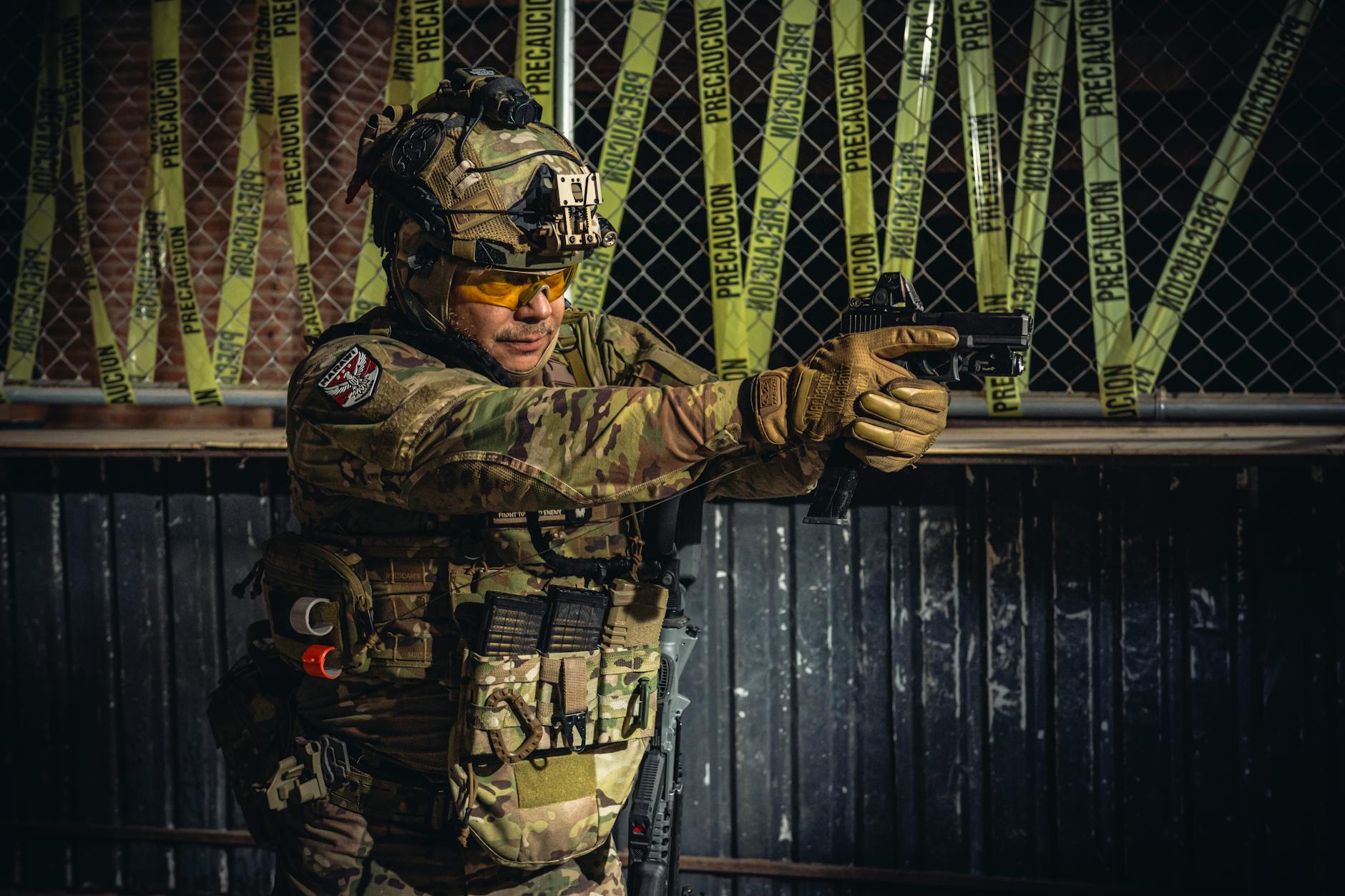
This failure cycle is not random. It follows predictable patterns rooted in construction shortcuts that are easy to identify before purchase, if you know what to look for.
Demand for tactical and military style clothing is propelled by two parallel forces: the stringent requirements of professional users in military and law enforcement, and the expanding interest from civilians in outdoor recreation, adventure sports, and tactical fitness. That expanding civilian market has created a flood of products that look the part but skip the construction details that field professionals depend on.
According to Growth Market Reports, the global tactical clothing market stood at USD 14.7 billion in 2024 and is expected to grow at a CAGR of 6.2% through 2033. That growth has attracted manufacturers who optimize for shelf appeal rather than long-term performance.
True Tactical's approach to gear curation is built around a different premise: filter the market by construction evidence, not by branding or price tier. The result is a catalog where every item earns its place through verifiable field performance, not marketing spend.
The Most Common Failure Points in Tactical Clothing and EDC Gear
For bags and carry gear in heavy-use scenarios, the hardware is almost always the first point of failure. A broken zipper or a snapped buckle does not just inconvenience the user, it renders the entire product obsolete.
The corners of pockets and the ends of zipper tracks are common failure points due to snagging and overstuffing. Bartack stitching reinforces these areas to enhance their lifespan.
For clothing specifically, the inner thigh, crotch seam, and knee panel are the highest-stress zones during active movement. Budget tactical pants often use a single-pass seam in these areas with low-weight thread, which holds fine on a hanger but begins failing within months of real field use.
Why Brand Price Does Not Equal Field Performance
Here is the contrarian reality that gear guides rarely state plainly: premium brand pricing in military style clothing does not automatically translate to better seam construction or hardware quality. Many prestige-tier brands invest heavily in co-branded collections, marketing, and colorway releases while using the same Taiwanese or Chinese manufacturers as mid-market competitors.
The variables that actually determine longevity are fabric denier, thread specification, stitch pattern at stress points, and cut design for the intended range of motion. These are verifiable before purchase. A brand name is not.
Put this into practice:
- Pull the pocket corners and belt loops of any garment before buying, visible thread gaps indicate single-pass seaming
- Look for bartack reinforcement at zipper ends and strap attachment points; absent on budget items, present on real duty gear
- Check fabric labels for denier rating: 500D or higher Cordura construction signals genuine abrasion resistance
- If a zipper pull feels thin or light compared to YKK hardware, treat it as a failure point waiting to happen
This article was generated with LaunchMind — try it free
Get startedWhat Separates Budget, Prestige, and Field-Tested Value Gear
The market can be divided into three practical tiers that map to real-world outcomes, not just price points.
| Feature | Budget Gear | Premium Brand-Name | Field-Tested Value (True Tactical) |
|---|---|---|---|
| Fabric denier | Under 200D polyester | 500D, 1000D, often Cordura | 500D+ ripstop or Cordura nylon |
| Zipper hardware | Generic, lightweight pull | YKK #5 or higher | YKK-class, tested under load |
| Seam reinforcement | Single-pass overlock | Bartack at most stress points | Bartack + box-X at all key zones |
| Size availability | S, XL typically | S, XXL most items | M, 3XL full range |
| Typical lifespan (field use) | 3, 8 months | 18, 36 months | 18, 36+ months |
| Return policy | 14, 30 days, varies | 30, 60 days brand-dependent | 30-day no-hassle returns |
| USA shipping | Varies, often fee-based | Often fee-based | Free across the USA |
Tex 70 or Tex 135 bonded polyester is standard for tactical gear, offering the strength to match durable fabrics like Cordura. Thinner threads break before the fabric, compromising reliability. This detail alone separates field-ready stitching from stitching that only looks correct on the shelf.
Industry standards, such as those for military gear, often recommend 7, 9 stitches per inch for heavy-duty packs and garments to ensure durability without compromising fabric integrity.
Reading Construction Quality Before You Buy
For anyone ordering online, the key is knowing which product details to check in the specifications and images. Seam type, fabric weight, zipper brand, and stitch pattern are the four data points that predict field lifespan with far more accuracy than price.
Bigger, branded zippers (YKK #8 or #10 coil) outperform small, generic ones every time. Industry reviewers treat zippers as the number one failure point and weight them heavily in scoring.
For pants and shirts, look for gusset construction at the crotch and articulated knee panels. These are not comfort features. They redistribute stress away from seam lines during squatting, climbing, and sustained movement, which is precisely when single-pass seams fail.
Put this into practice:
- Request or check product images that show the seam interior, visible bartack clusters at stress points confirm quality construction
- For pants: confirm gusseted crotch construction in the description; for jackets: confirm fully taped or welded seams at shoulder yokes
- Cross-reference fabric weight with intended use, 200D ripstop is acceptable for light duty, 500D+ is the threshold for sustained hard use
- If size range stops at XL, that is often a signal of limited quality control across fit ranges
Choosing Military Style Clothing for Your Actual Mission
A hunter working early-season mornings has different requirements than a private security professional on a 10-hour shift, who has different needs than an outdoor enthusiast building a capable EDC layering system. The mistake most buyers make is choosing gear based on a single impressive feature rather than a complete mission profile.
Consumers, particularly outdoor enthusiasts and survivalists, are investing in tactical gear for its practicality, durability, and versatility. Products like tactical backpacks, boots, and jackets have become essential for hiking, camping, and other outdoor activities.
Consider a patrol officer or private security professional who spends 8 to 10 hours on shift in tactical pants and a duty shirt. The knee and hip zones flex thousands of times per shift. The belt line supports substantial load. Fabric that cannot manage moisture and movement simultaneously creates both comfort failure and structural failure within months. For this professional, the criteria are: gusseted crotch, reinforced knee panels, moisture-managing fabric blend, and a belt rated for sustained load, not just light carry.
For an outdoor enthusiast or hunter, weather resistance and layering compatibility become primary. A shell that cannot integrate cleanly with a mid-layer creates heat and moisture management problems at the worst moments. The field layering guide at True Tactical addresses exactly how to stack these systems for changing conditions.
Matching Fabric to Activity Level
Ripstop nylon at 500D or higher handles abrasion from brush, rock faces, and vehicle interiors without tearing. Stretch canvas allows a broader range of motion but typically sacrifices some abrasion resistance in high-friction zones. The right answer depends on whether mobility or durability is the primary constraint.
Consumers are looking for garments that provide a balance of performance, comfort, and durability. Materials such as Gore-Tex, ripstop nylon, and Kevlar are commonly used in tactical apparel to enhance both protection and mobility.
For a deeper comparison on how these fabric choices play out over time in field pants specifically, the ripstop vs. stretch canvas breakdown covers the tradeoffs in real-use terms.
The Size Range Problem Nobody Talks About
Suppliers pursue blend optimization for stretch and toughness, while refining waist and hem adjustments to enhance mobility and reduce failure points in high-friction zones. But many brands stop investing in fit precision at XL, leaving buyers above that threshold with poorly fitting gear that fails faster because seam stress is distributed incorrectly across a cut that does not match the wearer's frame.
True Tactical stocks a full size range from M through 3XL across its tactical shirts, pants, and jackets, which matters not just for comfort but for structural performance. A garment that fits correctly under load distributes stress across the intended reinforcement zones. One that fits poorly concentrates it at unintended seam lines.
Put this into practice:
- Map your use case: sustained movement favors gusseted stretch-canvas cuts; abrasive environments favor ripstop 500D+
- For security or duty use: prioritize seam count and reinforcement over fabric brand names
- For outdoor recreation: confirm weather-resistance ratings and layering compatibility before committing
- At sizes XL and above: check that the brand constructs dedicated size patterns rather than simply scaling up a smaller template
Building an EDC and Tactical Kit That Does Not Need Replacing Every Season
The goal of a real gear guide is to help buyers make purchasing decisions once, correctly, rather than cycling through replacements every few months. Rising consumer demand for durable, performance-oriented apparel is driving growth across both tactical and outdoor clothing categories, with increasing overlap between military-grade functionality and everyday wear.
The EDC gear buying guide establishes the core framework: prioritize items that solve a daily-use problem, constructed to last under repeat use. For military style clothing specifically, the kit that performs over two or more years typically includes: a base-layer moisture management shirt, a durable tactical outer shirt or jacket, field pants with gusseted construction and reinforced knees, a load-rated belt, and footwear rated for the specific terrain.
The Hardware Inspection Habit
Regularly inspect hardware such as buckles, zippers, and Velcro for wear and replace them as needed. These small efforts go a long way in preserving the structural integrity of your gear, keeping it field-ready for years.
A simple pre-mission or pre-season inspection catches zipper rail misalignment, thread fraying at bartack points, and buckle stress-whitening before they become mid-field failures. Building this habit extends the effective life of quality gear significantly.
Why Return Policy and Sizing Support Matter More Than Buyers Expect
For buyers above XL, or anyone purchasing tactical clothing online without the ability to physically test fit under load, a 30-day return window is not a convenience, it is a risk management tool. Gear that fits incorrectly under real movement will fail at stress points sooner than gear sized correctly, even if the construction quality is identical.
True Tactical's 30-day return policy combined with free UPS shipping across the USA removes the financial risk from getting the fit right. For a buyer replacing a full kit after repeated budget-tier failures, this combination removes a genuine barrier to upgrading correctly.
Put this into practice:
- Build your kit in order: base layer first, then pants, then outer layer, then belt and footwear
- Inspect each item under real movement conditions within the first 30 days to confirm fit before the return window closes
- For EDC setups, confirm that carry positions do not create seam stress at hip or shoulder points under your typical daily load
- Benchmark your gear refresh cycle: if any single item is failing inside 12 months of active use, it is a construction problem, not a maintenance one
Key Takeaways
- Gear failure follows predictable patterns at zippers, bartack points, and crotch seams, learn to inspect these before buying
- Higher brand price does not equal better construction; fabric denier, thread spec, and stitch pattern are the real durability variables
- Mission profile determines the right fabric and cut; match the garment to the actual use case, not to how it looks in product images
- Size range matters structurally: gear that fits correctly distributes load stress to reinforced zones; ill-fitting gear concentrates it at seams
- True Tactical's catalog applies a field-tested curation standard across its military style clothing and tactical gear range, with free USA shipping, sizes M, 3XL, and a 30-day return policy that removes the risk from buying correctly
Explore the full catalog at True Tactical's field-tested military style clothing store to find options built for actual use, not shelf display.
FAQ
What is military style clothing and how is it different from regular outdoor apparel?
Military style clothing refers to garments designed using construction standards, fabric specifications, and functional features drawn from professional military and law enforcement gear. The core differences from regular outdoor apparel are fabric denier (typically 500D Cordura nylon or ripstop), reinforced stitching patterns like bartacking at stress points, articulated cuts for active movement, and hardware rated for sustained load. Regular outdoor apparel may share some functional features but typically lacks the structural redundancy built into purpose-designed tactical garments.
How do I know if a piece of tactical clothing is genuinely durable?
Genuine durability in tactical clothing is confirmed through four verifiable details before purchase: bartack stitching at pocket corners and zipper ends, fabric labeled at 500D or higher (Cordura or ripstop nylon), YKK-class zipper hardware, and gusseted construction at high-stress seam zones like the crotch and knees. If a product description does not specify these details, it is likely built to a price point rather than a performance standard. In practice, garments that confirm all four of these features typically outlast budget alternatives by a factor of two or more seasons under active use.
Is expensive tactical gear always better than mid-market options?
Price tier alone is not a reliable indicator of tactical clothing performance. Several premium-branded military style clothing lines use the same manufacturing facilities as mid-market competitors, while investing budget in marketing, colorway releases, and licensing. What actually determines field lifespan is construction specification: thread weight, stitch per inch count, seam type at stress zones, and hardware grade. A mid-market garment with verified bartack construction, 500D+ fabric, and YKK zippers will typically outlast a prestige-tier alternative that uses lighter thread and generic hardware. True Tactical's curation approach filters specifically for these construction details rather than brand recognition.
What should I buy first when building a military style clothing kit?
Start with the highest-contact, highest-movement item in your daily or mission-specific rotation, which is typically tactical pants. Pants sustain the most seam stress through flexion, carry the most hardware, and affect layering compatibility from the ground up. Once pants are confirmed for fit and construction quality within a 30-day trial window, add a moisture-managing base layer shirt, then an outer shirt or jacket rated for your typical conditions. Boots and belt come next, chosen specifically for the terrain and load requirements of the intended use. This build order prevents the common mistake of optimizing outerwear while wearing pants that fail at the knee seam after two months.
How does True Tactical approach gear selection differently from general online retailers?
True Tactical applies a field-tested curation standard rather than stocking by price bracket or trend. The catalog focuses on tactical shirts, jackets, pants, boots, and belts built for real-world active use, with construction details verified against field performance rather than marketing claims. Every item ships free across the USA via UPS, the full size range from M through 3XL is stocked to ensure structural fit across body types, and a 30-day return policy allows buyers to test gear under actual conditions before committing. For buyers replacing low-quality gear that failed early, this framework removes both the financial risk and the guesswork from upgrading correctly.
Conclusion
Military style clothing is one of the few purchase categories where construction evidence at the seam and hardware level predicts long-term value more accurately than brand name or price tier. The buyer who learns to inspect bartack placement, fabric denier, thread specification, and zipper hardware before purchasing will build a durable kit on the first attempt rather than cycling through replacements every season.
The approach True Tactical uses, curating by field-tested construction quality across a full size range, backed by free USA shipping and a 30-day return window, directly addresses the two biggest pain points in this market: gear that fails early, and the financial risk of getting the fit wrong when ordering online.
For anyone ready to build or upgrade a reliable tactical clothing setup, the full range of military style clothing and EDC gear at True Tactical is a practical starting point that prioritizes performance over prestige.
Sources
- 2023 Outdoor Participation Trends Report — Outdoor Industry Association
- Shopping for Daily Life — National Retail Federation
- Industry research suggests... — N/A
- Growth Market Reports — Growthmarketreports
- Tactical Clothing Market Research Report 2033 — Growth Market Reports
- Tactical And Outdoor Clothing Market Growth Analysis - Size and Forecast 2026-2030 — Technavio
- Gear Stitching: Why Seams Matter — LQ Company
- Bartack Stitching: A Key to Durable Tactical Gear — AET Gear