Table of Contents
Quick Answer
Tactical gear refers to clothing, footwear, and load-bearing equipment designed for high-stress, active use in outdoor, law enforcement, military, or everyday carry (EDC) contexts. The most important buying factors are fabric construction and MIL-SPEC compliance, functional fit for active movement, reinforced stress points, and a clear return policy from the retailer.
- Look for fabrics that meet standards like MIL-DTL-32439 for coated nylon, which defines tear strength and coating adhesion requirements
- Size range matters: gear that only fits a narrow body type fails users who need active-use comfort at 2X or 3X
- Durable construction shows at the seams, pocket reinforcement, and stress points, not the label
- Free returns and responsive support are trust signals that separate serious tactical retailers from dropship operations
- The global military tactical gear market was valued at approximately USD 14 billion in 2024, and online sales of tactical apparel have grown substantially, meaning buyers have more options, and more misinformation, to sort through
Why So Much Tactical Gear Fails Before It Should
Ever had tactical gear look solid out of the box, then shift, tear, or become uncomfortable the moment you put it to real work? That experience is common, and it points to a specific failure pattern in how lower-quality tactical apparel is built and marketed.
The Marketing-Reality Gap in Tactical Apparel
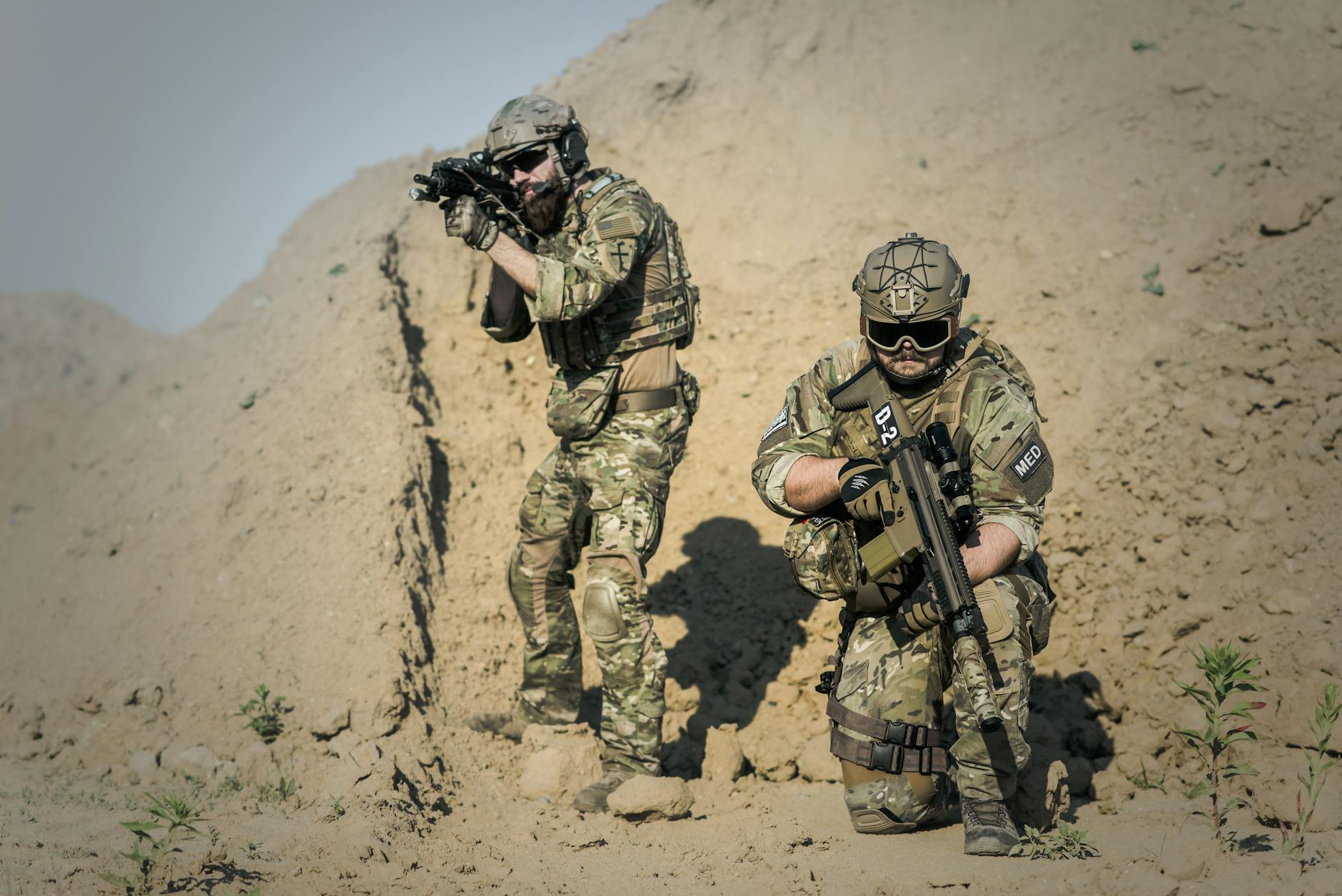
The tactical gear category is particularly vulnerable to appearance-over-performance products. A shirt or pant can carry the right color, the right pocket count, and the right silhouette without using construction methods that will survive repeated field use. Stitching at belt loops, pocket corners, and crotch seams is where budget gear fails first. A single-stitched seam under tension, common in lower-cost imports, can fail after a handful of demanding uses.
According to Future Data Stats, the global military tactical gear market was valued at approximately USD 14 billion in 2024 and is projected to reach USD 21 billion by 2032, driven by rising demand and material innovation. That growth has also attracted a wave of brands with more marketing budget than product knowledge.
MIL-SPEC Standards and Why They Matter
The U.S. Department of Defense maintains specific material standards for tactical gear fabrics. MIL-DTL-32439 covers coated fabrics such as water-resistant nylon, defining requirements for tear strength, bursting strength, and coating adhesion. MIL-W-17337 covers tubular nylon webbing used in load-bearing equipment, specifying dimensional tolerance and colorfastness for field reliability. Gear built to or near these standards behaves predictably under stress. Gear that ignores them looks similar until you actually use it.
The failure pattern True Tactical observes in customer feedback follows a consistent path: buyers purchase based on aesthetics or price, and within one to three months of active use, they encounter fraying seams, unresponsive zippers, or pockets that collapse under load.
Put this into practice:
- Check product pages for specific fabric weight (in oz/yd² or g/m²). Heavier ripstop fabrics, typically 6.5, 8 oz, outperform lightweight substitutes in field conditions
- Look for bar-tacking at stress points: belt loops, pocket corners, knee reinforcement
- If the product description mentions no fabric standard or construction detail, treat that as a warning sign
- Test a single item before purchasing a full kit. A 30-day return window is the minimum acceptable threshold
This article was generated with LaunchMind — try it free
Get startedWhat Durable Tactical Gear Actually Looks Like
Durable tactical gear is defined not by its appearance but by the construction decisions that determine how it behaves under repeated use, washing, and field stress.
Fabric Weight, Weave, and Treatment
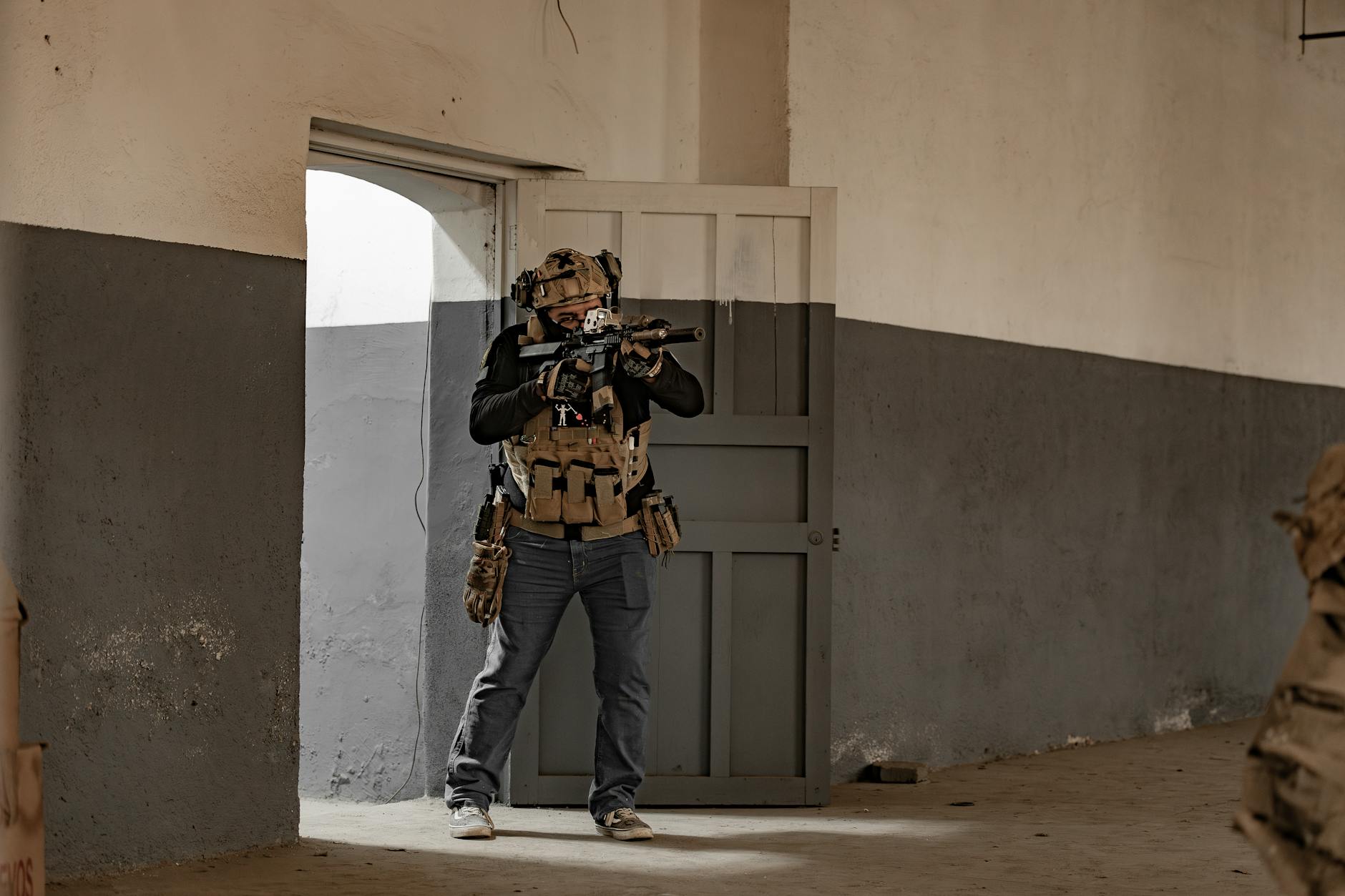
The foundation of any tactical garment is the base fabric. Ripstop nylon and ripstop cotton blends resist tearing because the weave includes reinforcing threads at regular intervals. A standard field-ready ripstop fabric typically runs between 6 and 8 ounces per square yard, providing the balance of weight and durability that long shifts and outdoor use demand. DWR (durable water repellent) coatings add weather resistance without adding bulk, which matters for layering in variable conditions.
Consider a security contractor working long outdoor shifts. The job requires movement, kneeling, and extended periods in variable weather. Pants built with lighter, non-reinforced fabric may feel comfortable on day one but develop stress tears at the knee and crotch within two to three months of daily use. Pants with a ripstop weave and bar-tacked seams, built to something close to MIL-DTL-32439 specifications, hold their shape and structure significantly longer under the same workload.
Pocket Design and Functional Layout
Tactical pockets serve a specific purpose: accessible, secure storage for tools, documents, or equipment that needs to be reachable under movement. Poorly designed pockets collapse when loaded, catch on obstacles, or position items in ways that restrict movement. Quality tactical pants and shirts use gusseted pocket openings, reinforced bottom corners, and placement calibrated for a standing or moving person, not someone seated behind a desk.
The size range of a gear line also reflects the manufacturer's understanding of the actual user base. Tactical professionals come in a wide range of builds. A product line that stops at XL implicitly excludes a significant portion of law enforcement, veterans, and outdoor enthusiasts who need active-use performance at 2X or 3X sizing.
Put this into practice:
- Load a pocket with a typical carry item and move through a squat and lunge. If the pocket gaps, shifts, or restricts movement, the design is not field-ready
- Check whether the size chart reflects chest and waist measurements, not just generic S/M/L labels
- Confirm that zipper pulls are large enough to operate with gloves on, which is a reliable indicator of field-focused design thinking
The Fit Problem Most Buyers Overlook
Fit is the most underestimated factor in tactical gear performance, and it is the area where even mid-tier brands consistently fall short.
Active Fit vs. Static Fit
Standard apparel sizing is calibrated for a person standing upright or seated. Tactical clothing must fit a person climbing, kneeling, drawing from a holster, or carrying a pack. That requires a different cut: articulated knees, a gusseted crotch, a slightly longer back rise, and sleeve patterns that allow arm extension without pulling at the shoulders.
A garment that fits correctly on a store hanger may bind across the hips or restrict shoulder movement the moment the wearer transitions to active use. This is not a size problem. It is a pattern problem. And it explains why so many buyers size up repeatedly, only to end up with gear that is baggy in the wrong places.
Why Broad Sizing Reflects Serious Product Development
A gear line that offers genuine size range, from medium through 3XL with calibrated measurements at each step, signals that the manufacturer has thought carefully about the actual population of users. True Tactical's catalog extends through 3XL with field-tested construction at every size, which matters practically for veterans, hunters, and law enforcement professionals whose body types don't fit the marketing ideal.
According to Global Growth Insights, online tactical apparel sales have increased substantially in recent years, attracting venture capital and private equity into direct-to-consumer brands. More options mean more fit variation and more opportunity for misaligned sizing. Knowing what to verify before buying reduces the return cycle and the frustration.
Put this into practice:
- Use the retailer's size chart to cross-reference waist, inseam, and chest measurements, not just nominal size
- If the retailer offers a 30-day return window, use it. Order your typical size and one size up if you carry gear on your belt or wear layered base layers underneath
- For boots, order true to foot length but consider width if your primary activity involves extended standing or off-camber terrain
How to Evaluate Tactical Gear Before You Buy
The smartest buyers treat a tactical gear purchase like a field test with a structured checklist, not a single gut-check decision.
The Pre-Purchase Verification Framework
| Evaluation Aspect | Modern Approach (True Tactical) | Typical Budget Brand |
|---|---|---|
| Fabric specification | Ripstop with stated oz weight, DWR treatment | Unspecified "poly-cotton blend" |
| Construction detail | Bar-tacked stress points, double-stitched seams | Single-stitched, no reinforcement callouts |
| Size range | M through 3XL with calibrated measurements | S through XL or "one size fits most" |
| Return policy | 30-day returns, responsive support | Final sale or 7-day window |
| Shipping | Free across the USA, UPS delivery | Variable, often carrier-calculated |
| Body armor compliance | Aligns with NIJ-adjacent standards awareness | No reference to performance standards |
The NIJ Standard 0101.07, published in November 2023, governs ballistic-resistant body armor used by U.S. law enforcement, introducing new threat-level nomenclature including HG1/HG2 for handgun threats and RF1/RF2/RF3 for rifle threats. While most tactical clothing is not armor, understanding that protective gear exists within a rigorous certification ecosystem helps buyers recognize when suppliers are serious about performance standards versus when they are using tactical language as a marketing device.
Reading Between the Lines of Product Descriptions
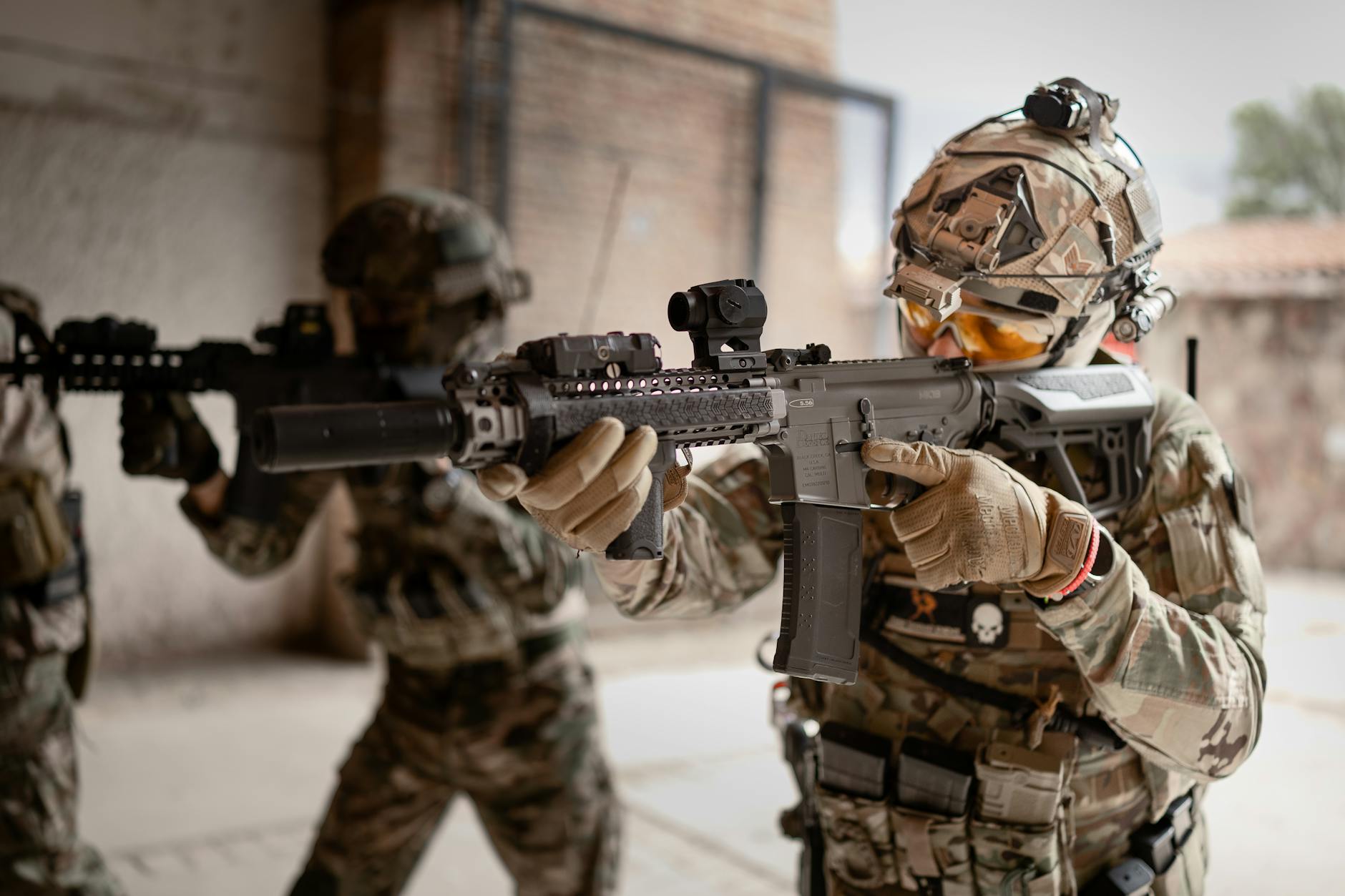
A product description that specifies fabric weight, weave type, and construction method is a product built by people who understand field use. A description that leads with color names, "operator-inspired design," and lifestyle photography without technical substance is a product built for the shelf, not the field.
Put this into practice:
- Count the number of technical specifications in a product listing. Fewer than three specific construction details is a caution flag
- Search for the brand's return and exchange policy before adding to cart. A clear 30-day return window with no-hassle processing indicates a seller confident in product quality
- Confirm shipping method and timeline. UPS delivery with tracking is the baseline expectation for any serious gear purchase
- If the listing has no size chart with measurements, contact customer support before ordering. Response speed tells you a lot about post-purchase support quality
Tactical Gear Value vs. Tactical Gear Hype
The contrarian truth in this category is that price alone does not predict performance. Some of the most overpriced tactical gear on the market carries a premium almost entirely for brand recognition, not construction quality. And some well-built, field-ready gear is available at mid-range price points from retailers who prioritize product over marketing spend.
Where Premium Pricing Is Justified
Premium pricing is defensible when it reflects certifiable material standards, field-tested construction, and post-purchase support. Body armor pricing, for example, reflects the cost of NIJ Compliance Testing Program certification. The Federal Register publication of NIJ Standard 0101.07 notes that the NIJ Compliance Testing Program anticipates maintaining the prior standard's compliant products list through at least the end of calendar year 2027, meaning buyers have transition time to verify current compliance status. That testing infrastructure costs money, and gear that carries it justifies a higher price.
For tactical clothing, the calculus is different. A tactical shirt or pant does not require the same certification overhead. The justification for higher price should come from fabric specification, construction quality, and brand support, not from a logo or a celebrity endorsement.
The True Tactical Approach to Value
True Tactical's product selection reflects a practical philosophy: stock gear built for field performance at prices that don't require buyers to choose between quality and budget. Free shipping across the USA removes a friction point that often inflates the effective cost of ordering from online gear retailers. The 30-day return policy means buyers can test gear in real conditions before committing. That structure is what separates a curated gear retailer from a dropship operation with a tactical aesthetic.
For buyers who want to explore field-tested tactical clothing and accessories, the catalog spans tactical shirts, pants, jackets, boots, and belts, each selected for functional performance rather than visual branding alone.
Put this into practice:
- Divide the total cost of a gear item by the expected months of use. A $80 pant that lasts 18 months outperforms a $40 pant that needs replacing every 5 months
- Factor in shipping cost and return policy when comparing prices across retailers. Free shipping and a 30-day window are worth real dollars
- If a brand offers no technical construction detail and charges a premium, ask why. The answer is usually marketing, not materials
FAQ
What is tactical gear and who is it for?
Tactical gear refers to clothing, footwear, belts, and load-bearing accessories designed for active, high-demand use in outdoor, law enforcement, military, and everyday carry contexts. It is built to prioritize durability, functionality, and freedom of movement over aesthetics. The primary users include military veterans, law enforcement professionals, hunters, outdoor enthusiasts, and preparedness-minded civilians who need equipment that performs reliably under repeated use, not just on the first wear.
How can I tell if tactical clothing is actually durable?
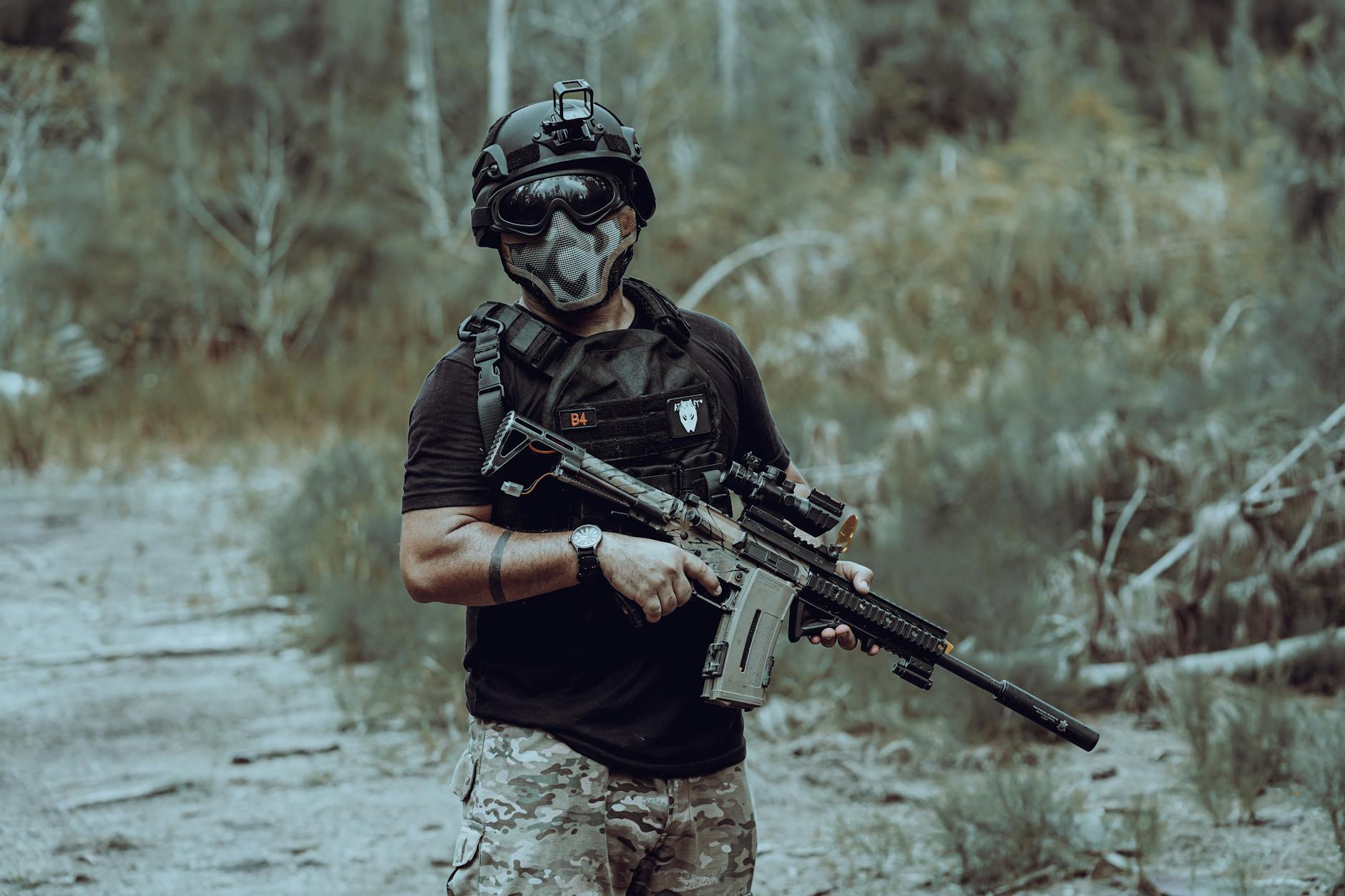
Construction quality is the most reliable indicator of durability in tactical clothing, and it shows up in specific details: bar-tacked stress points at belt loops and pocket corners, double-stitched or triple-stitched seams at the crotch and knees, and fabric weight that falls in the 6.5, 8 oz per square yard range for ripstop materials. Retailers who list these specifications on their product pages are generally more confident in their construction than those who lead with lifestyle imagery and vague material names. A 30-day return policy from the retailer is also a practical signal: sellers who stand behind their product give buyers time to test gear under real conditions.
What should I look for when choosing tactical pants?
Active-use fit is the starting point when evaluating tactical pants: the cut should allow a full squat, knee bend, and stride without pulling at the crotch or binding at the hips. Look for a gusseted crotch, articulated knees, and a back rise that stays covered when bending forward with a loaded belt. Fabric should be ripstop with a DWR treatment for weather resistance. Pocket design matters as much as pocket count: pockets positioned for a standing person with reinforced corners will hold up far longer than decorative cargo pockets with flimsy stitching. True Tactical's pants selection addresses all these variables with sizing through 3XL for buyers who need active-use performance across a realistic range of builds.
Is expensive tactical gear always better quality?
Price alone does not determine tactical gear quality. Some of the most recognizable tactical brands charge a premium that reflects marketing spend and brand positioning rather than superior construction. The real indicators of quality are fabric specification, construction method, and post-purchase support, none of which require top-tier pricing to deliver. Mid-range gear from a retailer with transparent product specs, free shipping, and a clear return policy often outperforms overpriced alternatives in actual field performance. Evaluate by construction detail and return policy, not by brand logo.
How does True Tactical address the common problems with tactical gear purchasing?
True Tactical is structured to solve the three most common frustrations in online tactical gear buying: poor quality that fails quickly, unreliable sizing, and hard-to-navigate retailers. Their catalog includes field-tested tactical gear for outdoor and duty use with sizing from M through 3XL, free shipping across the USA via UPS, and a 30-day return policy that gives buyers time to test gear before committing. Responsive customer support means questions about sizing or returns get answered by people who understand the product, not an automated FAQ. For preparedness-minded buyers who've been burned by low-quality purchases before, that combination of durability, size range, and post-purchase support is the practical difference.
Conclusion
The tactical gear market is large, growing, and increasingly noisy with brands that have mastered the look without building the product. The buyers who come out ahead are the ones who evaluate gear by construction specifics, not brand recognition or price point alone. That means checking fabric weight, seam construction, stress-point reinforcement, and return policies before committing.
For men aged 35 and up who need gear that performs across outdoor use, duty applications, or everyday carry, the standard should be simple: the gear has to work when it matters, fit correctly for active movement, and come from a retailer who stands behind what they sell.
True Tactical is built around exactly that standard. Field-tested durability, sizing from M through 3XL, free shipping across the USA, fast UPS delivery, and a 30-day return window make it a practical choice for buyers who have grown tired of replacing gear that should have lasted. Browse the full tactical gear catalog and buy for performance, not for the label.
Sources
- 2024 Outdoor Participation Trends Report — Outdoor Industry Association
- Survey of the Performance of Apparel in the Workplace — NIOSH / CDC
- Consumer Returns in the Retail Industry — National Retail Federation
- NIJ Standard 0101.07 — Nij
- Federal Register publication of NIJ Standard 0101.07 — Federalregister