विषय सूची
संक्षिप्त उत्तर
नीदरलैंड में घर खरीदने की प्रक्रिया 8 तय चरणों में आगे बढ़ती है—घर की तलाश शुरू करने से लेकर चाबी मिलने तक। अंतरराष्ट्रीय खरीदारों के लिए इसमें आमतौर पर 12-16 सप्ताह लगते हैं। इसके मुख्य चरण हैं: मॉर्गेज प्री-अप्रूवल (2-3 सप्ताह), प्रॉपर्टी खोज और बोली लगाना (4-8 सप्ताह), प्रारंभिक खरीद समझौते पर हस्ताक्षर (तुरंत), संरचनात्मक निरीक्षण (1-2 सप्ताह), नोटरी द्वारा दस्तावेज़ी तैयारी (6-8 सप्ताह), और अंत में नोटरी कार्यालय में स्वामित्व हस्तांतरण।
- सबसे पहले प्री-अप्रूवल लें: घर देखने से पहले मॉर्गेज की मंज़ूरी लेने से आपकी बोली मजबूत होती है
- संरचनात्मक निरीक्षण बेहद जरूरी है: ऑफर स्वीकार होने के 3 कार्यदिवस के भीतर पेशेवर बिल्डिंग सर्वे कराना बेहतर रहता है
- नोटरी पूरी प्रक्रिया संभालता है: अनुबंध से लेकर चाबी सौंपे जाने तक कानूनी प्रक्रिया नोटरी देखता है
- 10% जमा राशि सामान्य है: प्रारंभिक समझौते के कुछ दिनों के भीतर शुरुआती भुगतान करना होता है
- 6-8 सप्ताह का क्लोज़िंग पीरियड: Nuenen और आसपास के इलाकों में हस्ताक्षरित अनुबंध से हैंडओवर तक यही सामान्य समय-सीमा है
परिचय
मान लीजिए जर्मनी का एक सॉफ्टवेयर इंजीनियर Eindhoven की एक टेक कंपनी में नौकरी स्वीकार करता है और पास के Nuenen में घर ढूंढना शुरू करता है। तीन महीने तक वीकेंड पर घर देखने, कई ऑफर खारिज होने और डच कानूनी प्रक्रिया को लेकर उलझन में पड़ने के बाद उसे समझ आता है कि यह खरीद उतनी सीधी नहीं है जितनी शुरुआत में लगी थी। जो काम एक साधारण प्रॉपर्टी खरीद जैसा दिख रहा था, वह मॉर्गेज की शर्तों, बोली की रणनीति और नीदरलैंड की खास नोटरी प्रक्रिया के बीच एक जटिल सफर बन जाता है।
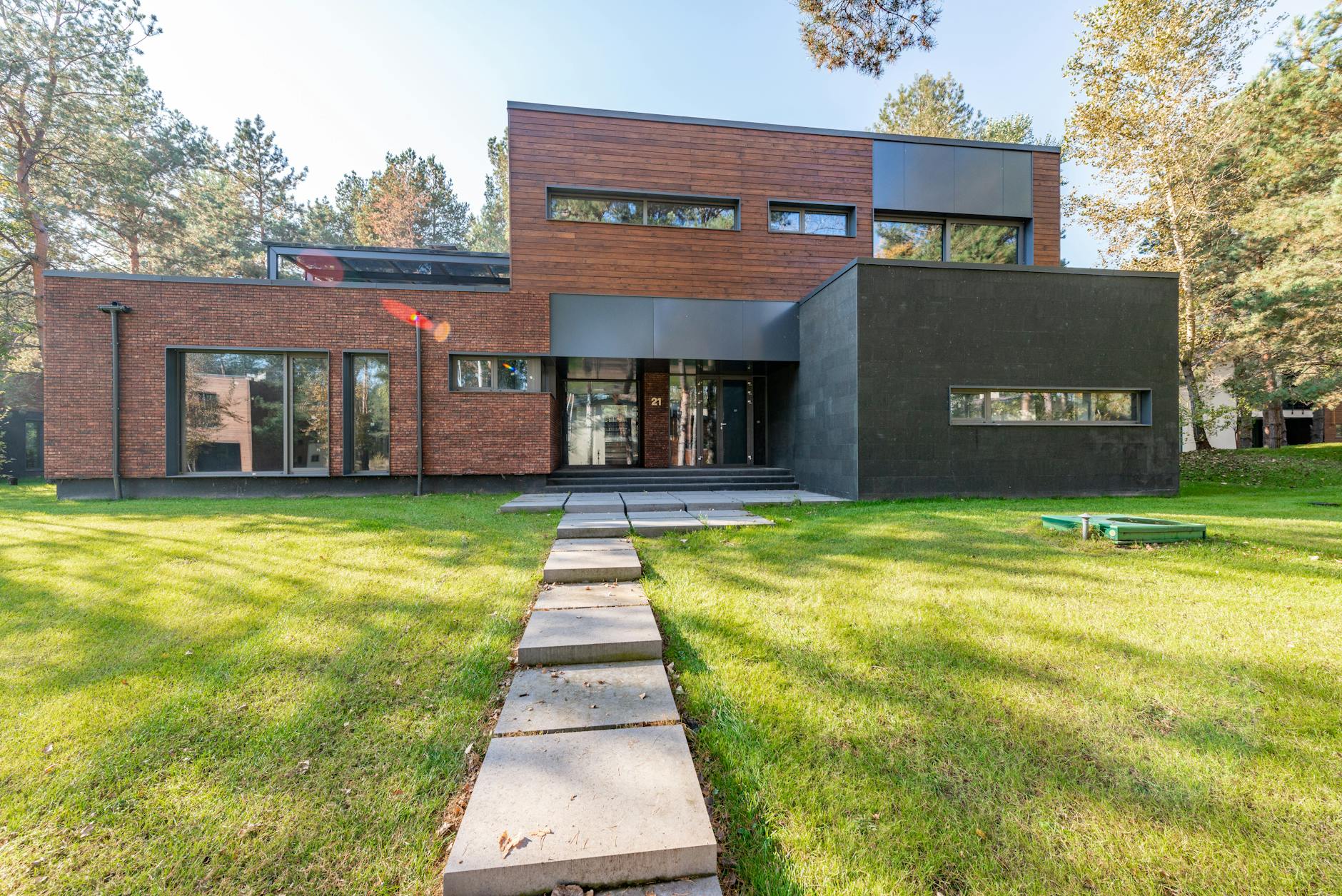
नीदरलैंड में घर खरीदने का तरीका दुनिया के कई दूसरे देशों से अलग है, खासकर उन एक्सपैट्स के लिए जो यहां की कानूनी व्यवस्था और स्थानीय कामकाज से परिचित नहीं हैं। Nuenen जैसे इलाकों में, जहां बड़ी कंपनियों के नज़दीक परिवार के लिए शांत और सुविधाजनक मोहल्लों की मांग बढ़ रही है, शुरुआत से अंत तक पूरी प्रक्रिया समझना बहुत जरूरी हो जाता है। इससे न केवल देरी से बचा जा सकता है, बल्कि सही मौका हाथ से निकलने से भी रोका जा सकता है। इस पूरी प्रक्रिया में कई पक्ष शामिल होते हैं—मॉर्गेज सलाहकार, रियल एस्टेट एजेंट, संरचनात्मक निरीक्षक और नोटरी—और हर किसी की भूमिका तय चरण में होती है।
The Xpat Agent अंतरराष्ट्रीय खरीदारों को इसी व्यवस्थित प्रक्रिया में सही दिशा देने में विशेषज्ञ है। उनके अनुभव में, जो एक्सपैट शुरू से पूरी टाइमलाइन समझकर चलते हैं, वे उन लोगों की तुलना में बेहतर नतीजे पाते हैं जो रास्ते में सीखते-समझते आगे बढ़ते हैं। उनका तरीका यह है कि पहले तैयारी मजबूत की जाए—फाइनेंसिंग स्पष्ट हो, कानूनी शर्तें समझ में हों—और उसके बाद ही सक्रिय रूप से घर खोजा जाए।
एक्सपैट्स के लिए यह क्यों महत्वपूर्ण है
डच प्रॉपर्टी बाजार समय की पाबंदी पर चलता है, और यह बात उन अंतरराष्ट्रीय खरीदारों को चौंका सकती है जो किसी और कानूनी व्यवस्था के आदी रहे हों। जब आप स्थानीय खरीदारों के साथ प्रतिस्पर्धा कर रहे हों, तो पूरी प्रक्रिया की समय-सीमा समझना और भी जरूरी हो जाता है।
सांस्कृतिक और कानूनी अंतर
नीदरलैंड में प्रॉपर्टी खरीद के दौरान कुछ ऐसी कानूनी व्यवस्थाएं लागू होती हैं जो कई देशों में नहीं मिलतीं। प्रारंभिक खरीद समझौता (koopovereenkomst) पर हस्ताक्षर होते ही दोनों पक्षों पर कानूनी जिम्मेदारियां लागू हो जाती हैं। कई देशों में अनुबंध लंबे समय तक शर्तों के अधीन रहता है, लेकिन यहां ऐसा नहीं होता। इसलिए एक्सपैट्स के लिए जरूरी है कि वे बातचीत शुरू करने से पहले ही अपनी वित्तीय क्षमता और कानूनी जिम्मेदारियां साफ-साफ समझ लें।
नोटरी की व्यवस्था भी एक बड़ा अंतर है। नीदरलैंड में एक निष्पक्ष नोटरी पूरी कानूनी प्रक्रिया संभालता है—अनुबंध तैयार करने से लेकर अंतिम स्वामित्व पंजीकरण तक। यह व्यक्ति खरीदार और विक्रेता, दोनों के हितों को एक साथ देखता है। ऐसे में उन लोगों को, जो दूसरे देशों की टकराव-आधारित कानूनी प्रणाली के आदी हैं, अपनी अपेक्षाएं बदलनी पड़ती हैं।
वित्तीय तैयारी की आवश्यकताएं
नीदरलैंड में मॉर्गेज मंज़ूरी पाने के लिए आय की सख्त जांच होती है, और यह अंतरराष्ट्रीय आवेदकों के लिए चुनौती बन सकती है। बैंक स्थिर नौकरी का प्रमाण मांगते हैं और कई बार ऐसा रोजगार अनुबंध चाहते हैं जिसकी अवधि भरोसेमंद हो। Nuenen में रहने वाले और अंतरराष्ट्रीय कंपनियों में काम करने वाले एक्सपैट्स को अक्सर नियोक्ता की स्थिरता और आय की निरंतरता से जुड़े अतिरिक्त दस्तावेज़ भी देने पड़ते हैं।
सामान्य 10% जमा राशि के साथ, खरीद मूल्य का औसतन 3-4% क्लोज़िंग खर्च भी जोड़ना पड़ता है। कई देशों में जमा राशि एस्क्रो में रहती है, लेकिन नीदरलैंड में समझौते के बाद धनराशि जल्दी ट्रांसफर करनी पड़ सकती है। इसलिए ऑफर देने से पहले वित्तीय तैयारी पूरी होना बहुत जरूरी है।
बाजार में प्रतिस्पर्धा की स्थिति
Eindhoven और उसके आसपास के प्रतिस्पर्धी इलाकों, जिनमें Nuenen भी शामिल है, में प्रॉपर्टी सूचीबद्ध होने के कुछ ही दिनों में कई ऑफर आ सकते हैं। ऐसी स्थिति में सफल बोली वही लगाता है जो तुरंत निर्णय ले सके, जिसकी फाइनेंसिंग पहले से तैयार हो, और जिसे अपनी अधिकतम वहन-क्षमता साफ पता हो। जो एक्सपैट बिना पूरी तैयारी के इस बाजार में उतरते हैं, वे अक्सर स्थानीय खरीदारों से पीछे रह जाते हैं।
सीधा उपयोग: Nuenen या आसपास घर ढूंढना शुरू करने से पहले ऐसे मॉर्गेज प्रदाता से प्री-अप्रूवल लें जिसे अंतरराष्ट्रीय आय सत्यापन का अनुभव हो। केवल मॉर्गेज राशि नहीं, बल्कि सभी लेनदेन खर्च जोड़कर यथार्थवादी बजट बनाएं। साथ ही ऐसे खरीद एजेंट को चुनें जिसे एक्सपैट क्लाइंट्स के साथ काम करने का अनुभव हो और जो आपके लक्ष्य वाले इलाके की स्थानीय बाज़ार-स्थिति और बोली रणनीति समझा सके।
नीदरलैंड में घर खरीदने की चरण-दर-चरण प्रक्रिया
नीदरलैंड में घर खरीदने की प्रक्रिया 8 अलग-अलग चरणों में पूरी होती है। हर चरण की अपनी शर्तें, समय-सीमा और जिम्मेदारियां होती हैं, जिन्हें क्रम से पूरा करना जरूरी है।
चरण 1: वित्तीय तैयारी और मॉर्गेज प्री-अप्रूवल
घर की तलाश शुरू करने से पहले मॉर्गेज की मंज़ूरी सुनिश्चित करें। डच बैंक अंतरराष्ट्रीय आवेदकों से कई तरह के दस्तावेज़ मांगते हैं, जैसे रोजगार अनुबंध, वेतन पर्चियां और आय की स्थिरता का प्रमाण। प्री-अप्रूवल की प्रक्रिया आमतौर पर 2-3 सप्ताह लेती है और इसके बाद आपको एक प्रतिबद्धता-पत्र मिलता है, जो कई महीनों तक मान्य रह सकता है।
जरूरी दस्तावेज़ पहले से इकट्ठा रखें: पासपोर्ट या पहचान पत्र, रोजगार अनुबंध, हाल की वेतन पर्चियां (आमतौर पर 3 महीने), बैंक स्टेटमेंट, और यदि आप स्व-रोज़गार में हैं तो टैक्स रिटर्न। अंतरराष्ट्रीय पेशेवरों को अपने नियोक्ता की स्थिरता और यदि लागू हो तो स्टॉक ऑप्शन या बोनस जैसी आय के प्रमाण भी तैयार रखने चाहिए।
The Xpat Agent's approach ऐसे मॉर्गेज सलाहकारों के साथ काम करता है जो अंतरराष्ट्रीय आवेदनों में विशेषज्ञ हों। उन्हें यह समझ होती है कि कौन से ऋणदाता एक्सपैट्स को बेहतर शर्तें देते हैं और जटिल आय संरचना को किस तरह सही तरीके से प्रस्तुत किया जाए।
चरण 2: प्रॉपर्टी खोज और बाजार विश्लेषण
Funda जैसे ऑनलाइन प्लेटफ़ॉर्म का उपयोग करते हुए व्यवस्थित तरीके से प्रॉपर्टी ढूंढना शुरू करें, और साथ ही अपने खरीद एजेंट से नियमित संपर्क बनाए रखें। Nuenen जैसे क्षेत्रों में घर बहुत तेजी से बिक सकते हैं, इसलिए जैसे ही सही विकल्प दिखे, तुरंत प्रतिक्रिया देने की तैयारी होनी चाहिए।
अपनी प्राथमिकताएं साफ रखें—अधिकतम बजट, पसंदीदा मोहल्ले, जरूरी सुविधाएं और ऐसी चीज़ें जो हों तो अच्छा है। बहुत बड़े इलाके में बिखरने के बजाय 2-3 खास क्षेत्रों पर ध्यान दें, ताकि वहां के दाम, मांग और स्थानीय रुझानों को बेहतर तरीके से समझ सकें।
जैसे ही कोई उपयुक्त प्रॉपर्टी दिखे, तुरंत व्यूइंग तय करें। प्रतिस्पर्धी बाजार में 1-2 दिन की देरी भी मौका छीन सकती है, क्योंकि विक्रेता तय सभी मुलाकातों से पहले ही ऑफर स्वीकार कर सकता है।
चरण 3: प्रॉपर्टी देखना और उसका मूल्यांकन
व्यूइंग के दौरान घर की हालत को ध्यान से परखें। संरचनात्मक स्थिति, रखरखाव की ज़रूरत, और आसपास के माहौल पर खास नजर रखें। एक चेकलिस्ट साथ रखें, जिसमें हीटिंग सिस्टम, बिजली की वायरिंग, छत की स्थिति और नींव की स्थिरता जैसी बातें शामिल हों।
तस्वीरें और नोट्स विस्तार से लें। जब आप कम समय में कई घर देखते हैं, तो बाद में बारीक अंतर याद रखना मुश्किल हो जाता है। दिन के अलग-अलग समय पर शोर-शराबा कैसा रहता है, पार्किंग उपलब्ध है या नहीं, और रोजमर्रा की जरूरी सुविधाएं कितनी पास हैं—इन बातों पर भी ध्यान दें।
हाल की मरम्मत, ऊर्जा दक्षता रेटिंग और किसी ज्ञात समस्या के बारे में साफ सवाल पूछें। डच विक्रेता को ज्ञात दोषों की जानकारी देनी होती है, लेकिन फिर भी आपकी सतर्कता बहुत काम आती है।
चरण 4: ऑफर देना और मोलभाव
अपने खरीद एजेंट के माध्यम से साफ शर्तों के साथ ऑफर दें, और जवाब के लिए उचित समय-सीमा तय करें। मॉर्गेज प्री-अप्रूवल का प्रमाण साथ जोड़ें, ताकि विक्रेता को आपकी भुगतान क्षमता पर भरोसा हो और आपकी स्थिति दूसरे खरीदारों की तुलना में मजबूत बने।
सिर्फ कीमत ही नहीं, कुछ और शर्तें भी विक्रेता को आकर्षित कर सकती हैं—जैसे लचीली हैंडओवर तारीख या परिस्थिति के अनुसार छोटी-मोटी शर्तों में ढील। लेकिन जरूरी सुरक्षा शर्तें, जैसे संरचनात्मक निरीक्षण का अधिकार और मॉर्गेज स्वीकृति की शर्त, बनाए रखें।
प्रतिस्पर्धी स्थिति में काउंटरऑफर या “best and final” बोली की मांग आ सकती है। ऐसे समय पहले से तय अधिकतम बजट और निर्णय-मानदंड आपको भावनाओं में बहकर जरूरत से ज्यादा बोली लगाने से बचाते हैं।
| चरण | समय-सीमा | मुख्य काम | संभावित खर्च |
|---|---|---|---|
| प्री-अप्रूवल | 2-3 सप्ताह | दस्तावेज़ जुटाना, ऋणदाता से बैठक | €500-800 सलाहकार शुल्क |
| प्रॉपर्टी खोज | 4-8 सप्ताह | व्यूइंग, बाजार रिसर्च | €0-300 यात्रा खर्च |
| ऑफर स्वीकार होना | 1-3 दिन | बातचीत, समझौते पर हस्ताक्षर | €1,000-2,000 कानूनी शुल्क |
| निरीक्षण अवधि | 1-2 सप्ताह | संरचनात्मक सर्वे, मूल्यांकन | €400-600 निरीक्षक शुल्क |
| नोटरी तैयारी | 6-8 सप्ताह | अनुबंध, स्वामित्व जांच | €1,500-2,500 नोटरी शुल्क |
| अंतिम हस्तांतरण | 1 दिन | दस्तावेज़ों पर हस्ताक्षर, चाबी सौंपना | 10% जमा + क्लोज़िंग खर्च |
चरण 5: प्रारंभिक खरीद समझौता
ऑफर स्वीकार होने के बाद प्रारंभिक खरीद समझौते (koopovereenkomst) पर हस्ताक्षर किए जाते हैं। यह दस्तावेज़ दोनों पक्षों पर कानूनी जिम्मेदारी डालता है और इसमें आमतौर पर मॉर्गेज मंज़ूरी और संरचनात्मक निरीक्षण जैसी सामान्य शर्तें शामिल होती हैं।
समझौते की सभी शर्तों को ध्यान से पढ़ें—क्लोज़िंग की तारीख, घर के साथ शामिल होने वाली स्थायी फिटिंग्स, और कोई विशेष शर्त। सामान्य प्रारूप कई स्थितियों को कवर करता है, लेकिन यदि आपकी परिस्थितियां अलग हैं तो अतिरिक्त धाराएं जोड़नी पड़ सकती हैं।
शुरुआती जमा राशि, जो आमतौर 10% होती है, समझौते में दी गई समय-सीमा के भीतर जमा करनी होती है। यह भुगतान आपकी गंभीरता दिखाता है और बाकी प्रक्रिया पूरी होने तक प्रॉपर्टी को सुरक्षित रखता है।
चरण 6: संरचनात्मक निरीक्षण और समीक्षा
समझौते पर हस्ताक्षर होने के बाद, शर्तों की समय-सीमा के भीतर पेशेवर संरचनात्मक निरीक्षण कराएं। आम तौर पर यह 3-5 कार्यदिवस के भीतर किया जाता है। ऐसे प्रमाणित निरीक्षक चुनें (VBO या NRVT योग्य) जो भवन की संरचना और मुख्य प्रणालियों पर विस्तृत लिखित रिपोर्ट दें।
यदि संभव हो तो निरीक्षण के समय स्वयं मौजूद रहें, ताकि आपको मौके पर ही स्थिति समझ में आए और आप सवाल पूछ सकें। निरीक्षण में हीटिंग, बिजली, पाइपलाइन, छत और भवन की मजबूती जैसी चीज़ों की जांच होती है। इससे मौजूदा हालत और आगे आने वाले रखरखाव खर्च का बेहतर अंदाज़ मिलता है।
रिपोर्ट ध्यान से पढ़ें और किसी बड़ी समस्या पर अपने खरीद एजेंट से सलाह लें। छोटी-मोटी कमियां आमतौर पर सौदा छोड़ने का कारण नहीं होतीं, लेकिन बड़ी संरचनात्मक समस्या या बहुत महंगी मरम्मत की जरूरत होने पर आप शर्तों के भीतर फिर से बातचीत कर सकते हैं या पीछे हट सकते हैं।
चरण 7: नोटरी की तैयारी और अनुबंध का अंतिम रूप
जब निरीक्षण से जुड़ी शर्तें पूरी हो जाती हैं, तब नोटरी अपना काम शुरू करता है। वह प्रॉपर्टी के स्वामित्व की जांच करता है, अंतिम दस्तावेज़ तैयार करता है और मॉर्गेज ऋणदाता के साथ क्लोज़िंग की व्यवस्था समन्वित करता है। इस चरण में आमतौर पर 6-8 सप्ताह लगते हैं।
नोटरी या ऋणदाता जो भी दस्तावेज़ मांगे, उन्हें समय पर उपलब्ध कराएं। इसमें रोजगार का अपडेटेड सत्यापन, बैंक स्टेटमेंट और ऋणदाता की अतिरिक्त मांगें शामिल हो सकती हैं। अपने मॉर्गेज सलाहकार से नियमित संपर्क बनाए रखें, ताकि तय क्लोज़िंग तारीख पर फाइनेंसिंग समय से पूरी हो सके।
नोटरी द्वारा भेजे गए ड्राफ्ट दस्तावेज़ों को ध्यान से जांचें। सभी शर्तें और विवरण सही होने चाहिए, और यदि कोई बदलाव हुए हों तो वे पहले से लिखित रूप में दर्ज होने चाहिए।
चरण 8: अंतिम हस्तांतरण और चाबी मिलना
अंतिम हस्ताक्षर के दिन नोटरी के कार्यालय में आवश्यक पहचान दस्तावेज़ और शेष भुगतान राशि लेकर पहुंचें। नोटरी अनुबंध की शर्तों को समझाएगा, नए मालिक के रूप में आपकी जिम्मेदारियों पर बात करेगा और स्वामित्व का आधिकारिक हस्तांतरण पूरा करेगा।
हस्ताक्षर पूरे होते ही आमतौर पर आपको घर की चाबी मिल जाती है। साथ ही पिछले मालिक से वारंटी संबंधी जानकारी, यूटिलिटी खातों का विवरण और रखरखाव से जुड़े दस्तावेज़ भी मिल सकते हैं। नोटरी इस हस्तांतरण को आधिकारिक रूप से पंजीकृत करता है, जिससे आप कानूनी मालिक बन जाते हैं।
इसके बाद यूटिलिटी ट्रांसफर, बीमा सक्रिय करना और संबंधित विभागों में पता बदलना जैसी चीजें पूरी करें। कई एक्सपैट्स को यह सुविधाजनक लगता है कि वे इन व्यवस्थाओं की तैयारी पहले ही कर लें, ताकि नए घर में जाना आसान रहे।
सीधा उपयोग: पूरी प्रक्रिया के लिए एक टाइमलाइन शीट बनाएं, जिसमें हर चरण की अंतिम तारीख और जरूरी काम दर्ज हों। हर बड़े चरण में 2-3 सप्ताह का अतिरिक्त समय रखें, ताकि दस्तावेज़ों या ऋणदाता की प्रक्रिया में देरी होने पर परेशानी न हो। साथ ही, सभी पेशेवरों के साथ स्पष्ट संचार व्यवस्था तय करें—सक्रिय चरणों में साप्ताहिक अपडेट और किसी भी समस्या पर तुरंत सूचना।
एक्सपैट खरीदारों के लिए उपयोगी सुझाव
नीदरलैंड में घर खरीदना सिर्फ नियम जानने का मामला नहीं है; इसमें बाज़ार की बारीकियों और प्रक्रिया की उन बातों को भी समझना पड़ता है जो पहली नजर में साफ नहीं होतीं।
दस्तावेज़ और समय-प्रबंधन को बेहतर बनाना
घर ढूंढना शुरू करने से पहले दस्तावेज़ों का पूरा सेट तैयार रखें। यदि किसी विदेशी दस्तावेज़ के अनुवाद या प्रमाणन की जरूरत हो, तो वह भी पहले करा लें। इससे मॉर्गेज प्रक्रिया तेज होती है और ऑफर के समय आपकी तैयारी साफ दिखती है।
सभी जरूरी कागज़ों की डिजिटल प्रतियां व्यवस्थित रखें, ताकि जरूरत पड़ते ही मोबाइल या ईमेल से तुरंत भेजी जा सकें। तेज़ी से चलने वाली बातचीत में यही फुर्ती कई बार आपका ऑफर मजबूत बना देती है।
महत्वपूर्ण अपॉइंटमेंट सोच-समझकर तय करें। डच छुट्टियों के दौरान नोटरी, निरीक्षक और ऋणदाता सीमित उपलब्धता में काम कर सकते हैं। गर्मियों की छुट्टियों और साल के अंत वाले समय में प्रक्रिया धीमी पड़ सकती है।
बाज़ार का समय और बोली की रणनीति
अपने लक्ष्य वाले इलाके के मौसमी रुझान समझें। Nuenen जैसे परिवार-उन्मुख इलाकों में वसंत के महीनों में मांग बढ़ सकती है, क्योंकि परिवार नए शैक्षणिक सत्र से पहले स्थानांतरण करना पसंद करते हैं। सर्दियों में बातचीत की गुंजाइश कुछ बढ़ सकती है, लेकिन विकल्प कम मिलते हैं।
हर प्रॉपर्टी के लिए एक जैसी बोली रणनीति सही नहीं होती। अलग पहचान वाली या बहुत मांग वाली प्रॉपर्टी के लिए ऊंची बोली देनी पड़ सकती है, जबकि बड़े नवीनीकरण वाली प्रॉपर्टी पर थोड़ा सख्त मोलभाव किया जा सकता है।
हैंडओवर की तारीख को लेकर थोड़ा लचीलापन रखें। कई बार विक्रेता उसी खरीदार को तरजीह देता है जो उसकी समय-सीमा के मुताबिक चल सके, खासकर जब वह खुद नौकरी या निजी कारणों से स्थान बदल रहा हो।
पेशेवरों के साथ बेहतर तालमेल
मॉर्गेज सलाहकार, संरचनात्मक निरीक्षक, बीमा एजेंट और कानूनी विशेषज्ञ—इन सबके साथ जरूरत से पहले संपर्क बना लें। जब समय कम हो, तब अंतिम समय पर सही व्यक्ति ढूंढना मुश्किल हो सकता है।
अपनी जरूरतें और प्राथमिकताएं शुरू से स्पष्ट बताएं। यदि आपकी अंतरराष्ट्रीय स्थिति के कारण कोई खास आवश्यकता है, तो टीम के हर सदस्य को यह पता होना चाहिए। साफ संवाद से तनावपूर्ण समय में गलतफहमियां कम होती हैं।
their methodology इन पेशेवर संबंधों को व्यवस्थित तरीके से समन्वित करती है, ताकि शुरुआत से ही सभी को क्लाइंट की समय-सीमा और संवाद की प्राथमिकताएं समझ में रहें।
सीधा उपयोग: घर खरीदने से पहले अपनी “होम बाइंग टीम” की संपर्क सूची बना लें—मॉर्गेज सलाहकार, संरचनात्मक निरीक्षक, बीमा एजेंट और यूटिलिटी कंपनियां। यह भी जांच लें कि आपकी संभावित खरीद अवधि में उनकी उपलब्धता कैसी रहेगी। हर व्यक्ति के साथ पसंदीदा संपर्क माध्यम—ईमेल, WhatsApp या फोन—पहले से तय कर लें।
किन गलतियों से बचना चाहिए
एक्सपैट खरीदार अक्सर कुछ ऐसी आम गलतियां कर बैठते हैं जिनसे सही योजना और यथार्थवादी उम्मीदों के साथ आसानी से बचा जा सकता है।
वित्तीय तैयारी में चूक
सबसे आम गलती यह है कि खरीदार कुल लेनदेन खर्च को कम आंक लेते हैं। सिर्फ मॉर्गेज और 10% जमा राशि ही नहीं, बल्कि नोटरी शुल्क, संरचनात्मक निरीक्षण का खर्च, प्रॉपर्टी ट्रांसफर टैक्स और खरीद के बाद के शुरुआती खर्च—जैसे यूटिलिटी जमा और बुनियादी सामान—भी बजट में शामिल करें।
यदि पैसा किसी विदेशी खाते से आना है, तो विनिमय दर में उतार-चढ़ाव भी आपकी वास्तविक वहन-क्षमता पर असर डाल सकता है। अंतरराष्ट्रीय खरीदारों को करेंसी बदलाव के जोखिम के लिए अतिरिक्त राशि या उचित रणनीति रखनी चाहिए।
कई लोग खरीद के बाद होने वाले नियमित खर्च—जैसे प्रॉपर्टी टैक्स, बीमा और रखरखाव—को भी नजरअंदाज कर देते हैं। ये खर्च हर महीने के बजट पर असर डालते हैं और किराये के घर से अलग हो सकते हैं।
समय-सीमा को गलत समझना
वित्तीय तैयारी पूरी किए बिना घर ढूंढना शुरू कर देना समय और ऊर्जा दोनों की बर्बादी है। प्रतिस्पर्धी बाजार में मौके जल्दी आते हैं, लेकिन अधूरी तैयारी वाला खरीदार समय पर कदम नहीं उठा पाता।
नोटरी प्रक्रिया की अवधि को कम समझना भी बड़ी गलती है। सामान्य 6-8 सप्ताह की अवधि को बहुत ज्यादा कम नहीं किया जा सकता, चाहे खरीदार को कितनी भी जल्दी क्यों न हो।
घर खरीदने की सक्रिय अवधि के दौरान नौकरी बदलना, लंबी पारिवारिक यात्रा या अंतरराष्ट्रीय स्थानांतरण जैसी दूसरी बड़ी योजनाएं जोड़ देने से अनावश्यक जटिलता बढ़ जाती है। बेहतर है कि दूसरी बड़ी योजनाएं खरीद प्रक्रिया के हिसाब से तय की जाएं।
दस्तावेज़ और संवाद में कमी
ऋणदाता को अधूरे या बेतरतीब दस्तावेज़ देने से मंज़ूरी में देरी होती है, और प्रतिस्पर्धी बाजार में फाइनेंसिंग तक खतरे में पड़ सकती है। अंतरराष्ट्रीय आवेदकों को कम नहीं, थोड़ा ज्यादा तैयारी करनी चाहिए।
यदि आप अपने खरीद एजेंट को बजट या जरूरतों के बारे में स्पष्ट नहीं बताते, तो आपको ऐसे घर दिखाए जा सकते हैं जो आपके लिए उपयुक्त ही नहीं हैं। शुरुआत से ही अधिकतम बजट, अनिवार्य सुविधाएं और बिल्कुल अस्वीकार्य बातें साफ कर दें।
सभी पक्षों के साथ नियमित संपर्क न रखना भी जोखिम बढ़ाता है। सक्रिय चरणों के दौरान साप्ताहिक संपर्क छोटे मुद्दों को बड़ी समस्या बनने से रोकता है।
सीधा उपयोग: खरीद शुरू करने से पहले एक चेकलिस्ट बनाएं, जिसमें वित्तीय दस्तावेज़, पेशेवर संपर्क और टाइमलाइन की योजना शामिल हो। खरीद की योजना से 6 महीने पहले से हर महीने इसे देखना शुरू करें। साथ ही एक “लेनदेन संवाद योजना” बनाएं, जिसके तहत सक्रिय चरणों में सभी पेशेवरों से साप्ताहिक अपडेट अनिवार्य हो।
अक्सर पूछे जाने वाले सवाल
एक्सपैट के रूप में नीदरलैंड में घर खरीदने में आमतौर पर कितना समय लगता है?
पूरी प्रक्रिया आमतौर पर 12-16 सप्ताह लेती है। इसमें 2-3 सप्ताह मॉर्गेज प्री-अप्रूवल के लिए, 4-8 सप्ताह घर खोजने और ऑफर स्वीकार होने के लिए, 1-2 सप्ताह संरचनात्मक निरीक्षण के लिए, और 6-8 सप्ताह नोटरी प्रक्रिया के लिए लगते हैं। एक्सपैट खरीदारों को दस्तावेज़ों में देरी या अंतरराष्ट्रीय आय सत्यापन जैसी वजहों से थोड़ा अतिरिक्त समय भी जोड़कर चलना चाहिए।
The Xpat Agent डच घर खरीदने की प्रक्रिया में कैसे मदद कर सकता है?
The Xpat Agent अंतरराष्ट्रीय खरीदारों को शुरुआती सलाह से लेकर चाबी मिलने तक पूरी प्रक्रिया में मार्गदर्शन देता है। उनकी सेवा में एक्सपैट आवेदनों को समझने वाले मॉर्गेज सलाहकारों के साथ समन्वय, Nuenen जैसे प्रतिस्पर्धी बाजारों में प्रॉपर्टी खोज और बोली रणनीति, और पूरी खरीद प्रक्रिया को तय समय-सीमा के भीतर आगे बढ़ाना शामिल है। उनका नेटवर्क नोटरी, निरीक्षक और ऐसे अन्य पेशेवरों से जुड़ा होता है जिन्हें अंतरराष्ट्रीय क्लाइंट्स के साथ काम करने का अनुभव हो।
डच मॉर्गेज के लिए अंतरराष्ट्रीय खरीदारों को कौन-कौन से दस्तावेज़ चाहिए होते हैं?
आम तौर पर जरूरी दस्तावेज़ हैं: वैध पासपोर्ट या EU पहचान पत्र, रोजगार अनुबंध, हाल की वेतन पर्चियां (आमतौर पर 3 महीने), डच और विदेशी खातों के बैंक स्टेटमेंट, और डाउन पेमेंट के स्रोत का प्रमाण। स्व-रोज़गार वाले आवेदकों को टैक्स रिटर्न और व्यवसायिक वित्तीय विवरण भी देने पड़ते हैं। अंतरराष्ट्रीय पेशेवरों को नियोक्ता का सत्यापन-पत्र तथा स्टॉक ऑप्शन, बोनस या अन्य परिवर्तनीय आय से जुड़े दस्तावेज़ भी तैयार रखने चाहिए।
घर की कीमत के अलावा एक्सपैट्स को कितना अतिरिक्त बजट रखना चाहिए?
कुल लेनदेन खर्च आमतौर पर खरीद मूल्य का 13-15% तक हो सकता है। इसमें 10% जमा राशि, 2% प्रॉपर्टी ट्रांसफर टैक्स, 1-2% नोटरी और कानूनी शुल्क, तथा निरीक्षण, मॉर्गेज व्यवस्था और खरीद के बाद के शुरुआती खर्च शामिल होते हैं। विदेश से आ रहे खरीदारों को करेंसी कन्वर्ज़न और कई बार बार-बार यात्रा के खर्च भी जोड़कर चलना चाहिए। लगभग 5% अतिरिक्त बफर रखना समझदारी होती है।
अगर संरचनात्मक निरीक्षण में बड़ी समस्या निकल आए तो क्या होता है?
संरचनात्मक निरीक्षण से जुड़ी शर्तें आमतौर पर 3-5 कार्यदिवस का समय देती हैं, जिसमें खरीदार पेशेवर रिपोर्ट के आधार पर फैसला कर सकता है कि सौदा जारी रखना है, नई शर्तों पर बातचीत करनी है या खरीद से पीछे हटना है। छोटी-मोटी मरम्मतें या सामान्य रखरखाव की जरूरत आमतौर पर अनुबंध बदलने का कारण नहीं बनतीं, लेकिन बड़ी संरचनात्मक समस्या, बहुत महंगी खराबी या सुरक्षा संबंधी खतरा सामने आए तो कीमत पर फिर से बातचीत या सौदा रद्द करना उचित हो सकता है।
निष्कर्ष
नीदरलैंड में घर खरीदने के लिए व्यवस्थित तैयारी और यथार्थवादी समय-सीमा की समझ जरूरी है, खासकर उन अंतरराष्ट्रीय खरीदारों के लिए जो यहां की कानूनी और वित्तीय प्रक्रिया से परिचित नहीं हैं। सफलता इस बात पर निर्भर करती है कि आप मॉर्गेज प्री-अप्रूवल से लेकर अंतिम हस्तांतरण तक पूरे 8 चरणों को कितनी अच्छी तरह समझते और समय पर पूरा करते हैं।
जो एक्सपैट शुरुआत में ही मेहनत करते हैं—मॉर्गेज की मंज़ूरी सुनिश्चित करते हैं, दस्तावेज़ व्यवस्थित रखते हैं और अनुभवी पेशेवरों से जुड़ते हैं—उनके लिए पूरी प्रक्रिया आमतौर पर अधिक सहज रहती है और बातचीत में भी उन्हें बेहतर स्थिति मिलती है। डच प्रॉपर्टी प्रक्रिया का ढांचा उन्हीं खरीदारों के पक्ष में काम करता है जो पहले से तैयारी करके चलते हैं।
Nuenen और Eindhoven क्षेत्र में घर खरीदने की सोच रहे अंतरराष्ट्रीय पेशेवरों के लिए ऐसे विशेषज्ञों के साथ काम करना जो एक्सपैट जरूरतों को समझते हों समय-सीमा और प्रक्रिया से जुड़ी कई आम गलतियों से बचा सकता है। जब कई पेशेवरों के बीच तालमेल बैठाना हो और हर चरण क्रम से पूरा करना हो, तब अनुभवी मार्गदर्शन की अहमियत और बढ़ जाती है।
स्रोत
- The Xpat Agent · Xpatagent