Table of Contents
Quick summary
In Eindhoven, better fitness results on Strijp-S are not about spending more hours in the gym. They come from smarter systems around scheduling, execution, and follow-up. District-S is a premium personal training concept with private gyms in Eindhoven that combines one-on-one coaching, nutrition, mindset support, and recovery guidance into one consistent method.
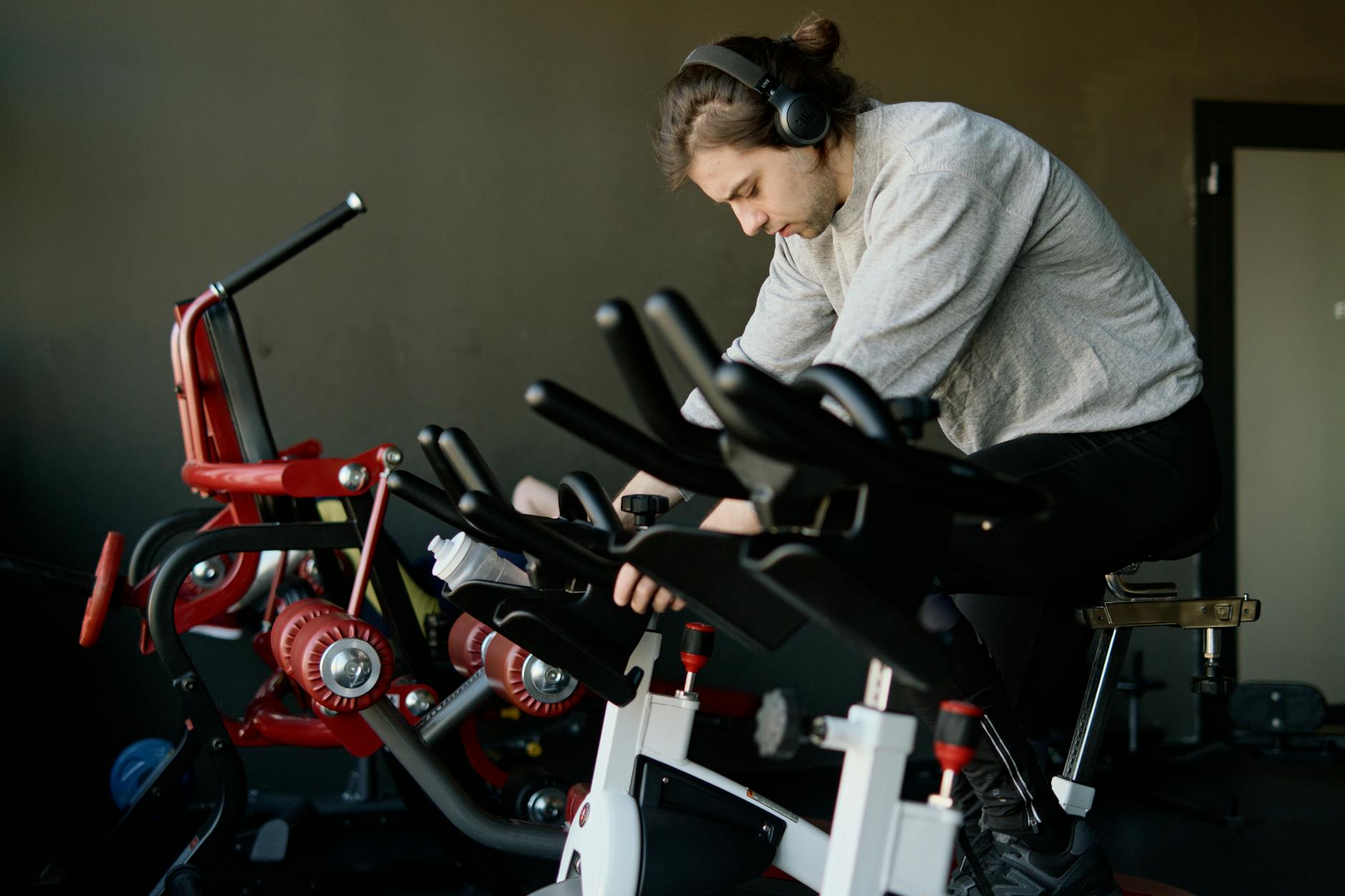
- On Strijp-S, premium personal training improves 10 core processes: intake, scheduling, load management, technique, nutrition, recovery, privacy, consistency, progress tracking, and long-term progression.
- For many busy professionals, a realistic rhythm is 1 to 2 coached sessions per week, supported by short solo sessions of 20 to 30 minutes.
- In a private gym, day-to-day friction drops: no waiting for equipment, fewer distractions, and less improvising during the workout.
- District-S connects training with tailored nutrition and mindset coaching, turning scattered advice into one practical system.
- If your biggest problems on Strijp-S are a packed schedule, recurring injuries, or poor results in a regular gym, you probably need better process control more than a busier training plan.
Introduction
Most people don’t quit fitness because exercise doesn’t work. They quit because the process around it is poorly set up. Schedules shift, training choices pile up, and a busy gym makes every session just unpredictable enough to break momentum. In Eindhoven, that’s especially true for professionals who live or work around Strijp-S: limited time, high standards, and little patience for wasted effort.
District-S is a premium personal training concept with private gyms in Eindhoven, including Strijp-S and the city centre, where one-on-one coaching, tailored nutrition, and mindset support come together in a results-driven approach. That matters because the biggest difference often isn’t the workout plan itself, but the systems that determine whether someone can actually stick to it for weeks on end.
That’s a different angle from the usual conversation about luxury or motivation. This is really about practicality. If you want to understand why a calm private gym often works better than a standard commercial gym, it also helps to look at the broader lessons from premium gym environments. On Strijp-S, that comes together in a group of people who want results without the logistical hassle.
This article was generated with LaunchMind — try it free
Get startedThe challenge — why does fitness on Strijp-S often break down in the process?
The real problem usually isn’t willingness to train, but what gets lost between intention and execution. Many people on Strijp-S are juggling a demanding workweek, family life, social commitments, and a full mental load. Progress rarely falls apart because of one missed workout. It falls apart because of six weeks of small disruptions: changing training times, uncertainty about exercises, poor recovery, and a lack of overview.
Take an entrepreneur in Eindhoven with a 50-hour workweek, two young children, and three evening meeting blocks each week. That person may schedule workouts with good intentions, but not with a hard system behind them. In a regular gym, the session often starts with choices: which machine is free, what should I train today, how heavy should I go, should I squeeze in cardio too? That’s four decisions before the first work set. And that decision-making costs energy.
There’s a second issue too: unclear training load. Without proper guidance, someone feels strong one week and completely wiped out the next. That matters even more after the age of forty. Recovery capacity can still be trained, but the margin for error gets smaller. Start too aggressively and the knees, lower back, or shoulders start complaining. Train too cautiously and you see no meaningful progress in strength, fitness, or body composition.
A third issue is context. Strijp-S attracts people who live and work in an environment shaped by pace, design, and productivity. That tends to attract gym-goers who have no interest in noise, waiting around, and half-baked training. In that setting, a private gym isn’t just more comfortable; it removes friction from the whole process. District-S positions that calm very deliberately as a functional choice, not as decoration.
The practical takeaway is simple: if your workouts are being derailed more by a busy schedule, uncertainty, or overstimulation than by genuine lack of discipline, the process needs fixing first. Check these three points within seven days: (1) is training fixed in your calendar, (2) is the session already planned before you arrive, and (3) do you have a recovery plan for the 24 hours after training?
The solution — which 10 processes does premium personal training actually improve?
Premium personal training works best when it tightens up 10 recurring processes around fitness. That’s exactly why, for some people on Strijp-S, a private gym delivers more than an open gym with a standard membership.
- Intake and starting point. Don’t begin with a training split. Begin with recovery capacity, sleep, schedule, and goals. District-S uses that order to stop people from training based on ambition instead of current capacity.
- Calendar fit. A session has to fit the structure of the week. For many professionals in Eindhoven, early mornings or straight after work are more effective than a vague plan to “go later.”
- Decision-making during training. Less choosing, more doing. That reduces mental friction and improves workout quality.
- Technique monitoring. Small adjustments to hip position, breathing, or trunk stability can stop strength training from dumping unnecessary stress into the joints.
- Load management. Progress doesn’t mean adding weight every week. It means building up in a predictable way. That matters even more for people with an injury history.
- Nutrition translation. Not random food rules, but a plan that fits workdays, training time, and recovery windows. The logic lines up with what’s explained in this practical look at nutrition for strength training.
- Recovery monitoring. Poor sleep, heavy work stress, and muscle soreness are not side notes. They’re input for the next session.
- Privacy and focus. In a private gym, the environment stops being a distraction. That’s especially relevant for beginners, women who want to train with focus, and people returning after injury.
- Progress tracking. Strength, fitness, measurements, energy levels, and training frequency become visible. Without a framework, progress often feels vague and subjective.
- Long-term progression and maintenance. After an initial block of 8 to 12 weeks, the challenge shifts from getting started to keeping it going. That’s where a lot of standard gym routines fall apart.
The less obvious conclusion is that premium personal training doesn’t mainly buy motivation. It buys predictability. That’s a different service than many people assume. A good starting point is to audit your own training week once: where is the biggest friction, and which of these 10 processes does it belong to?
Real-world example — what does this look like for a busy professional on Strijp-S?
Imagine a typical premium personal training and private gym business working with members who are short on time, serious about results, and tired of regular gyms. One of those members is a 43-year-old finance manager in Eindhoven who works ten minutes from Strijp-S. She had previously trained on her own for three months, but skipped an average of one in three planned workouts and kept dealing with shoulder stiffness after pressing movements.
In a standard gym, the pattern never changed. She often started late, had to improvise, and replaced strength work with cardio whenever time was tight. Her post-workout meals were inconsistent too: sometimes a proper meal, sometimes just coffee. The result was no clear progress, not because she lacked commitment, but because execution varied too much from week to week.
With an approach like the one District-S uses, the structure changes. The intake first identifies which movement patterns are reliable, which work hours are fixed, and which parts of the week are mentally least demanding. From there, the plan becomes two coached sessions per week in a private gym on Strijp-S, plus one short 25-minute home session. The trainer adapts pressing movements, adds more pulling work and trunk stability, and ties nutrition to fixed moments: a light meal beforehand and a full meal within a few hours afterwards.
Within a few weeks, the week starts to feel predictable. Not dramatic, just steady. The shoulder settles down, sessions start on time, and there’s less internal negotiation. That’s where progress starts for a lot of people. And if you’re unsure about coaching quality, choosing a trainer using hard criteria matters far more than a polished brand image.
| Process area | Without structured coaching | With premium personal training in a private gym |
|---|---|---|
| Planned coached sessions per week | 0 to 1 | 1 to 2 |
| Extra short session | rarely | 20 to 30 minutes |
| Decisions before training starts | 4 to 6 | 1 to 2 |
| Waiting time for equipment | 5 to 15 minutes | 0 to 3 minutes |
| Progress review | irregular | every 1 to 2 weeks |
| Recovery signals included | usually only after pain shows up | discussed beforehand |
If you want to apply this to your own situation, start with a one-week review: schedule two fixed workout windows, decide the session content in advance, and note your sleep, energy, and any soreness for 24 to 48 hours after each workout.
Results and benefits — what does this process-driven approach actually deliver?
The immediate benefit is less waste of time, attention, and recovery capacity. For busy people in Eindhoven, that may sound clinical, but in practice it’s often the exact reason training finally becomes sustainable. Not because someone pushes harder, but because fewer things get in the way.
The first effect is better session quality. When the equipment is ready and the trainer controls the build-up, work sets aren’t lost to searching, guessing, or correcting mistakes afterwards. Take a 47-year-old man in professional services on Strijp-S who trains with guidance once a week and once on his own. In an open gym, his solo sessions often drift into random exercises. In a private gym with a clear plan, the content stays stable: the same main movement, the same order, and adjusted load when work gets hectic. That makes progress much easier to measure.
The second effect is less injury noise. That’s not the same as saying injury-free. It means small warning signs are picked up and managed earlier. District-S does that by keeping technique, weekly load, and recovery feedback aligned. For people coming back from knee, back, or shoulder issues, that difference is significant. If you want to explore that further, there’s more context in this article on returning to exercise after an injury.
The third effect is better adherence to nutrition and recovery. Not because the rules are stricter, but because the timing is smarter. Most members don’t need a complicated meal plan. They need something workable that fits traffic, meetings, and family life. That’s when nutrition stops being theory and becomes routine.
The least talked-about benefit may be privacy. In Eindhoven, a noticeable number of professionals choose a private gym because work already exposes them to enough stimulation, social roles, and performance pressure. They want to train without an audience. That isn’t a luxury concern. It’s a practical condition for focus.
The action point here is straightforward: if progress keeps stalling because of missed sessions, recurring niggles, or inconsistent execution, focus on three metrics first: weekly attendance, technical consistency, and your recovery response after 24 hours.
Key insights — where does District-S believe the real gain is?
The biggest win comes from less variation around training, not more variation within training. That sounds counterintuitive because the fitness industry loves to sell novelty as the answer. But for many members on Strijp-S, the opposite is true: the process outside the workout should be boringly reliable so the body can improve inside the workout.
That may be the most useful lesson from the District-S approach. The business combines varied, week-by-week training sessions with fixed process anchors: a clear intake, a private environment, one-on-one coaching, nutrition guidance, and mindset support. That combination stops variety from turning into randomness. The training changes; the structure around it doesn’t.
A second insight is that a premium setting only matters if it reduces friction. Stylish design or great coffee won’t change body composition. What does matter is short walking distances, immediate access to equipment, a calm environment, and a trainer who has already prepared the session. For the Eindhoven audience, that’s often the difference between “I should work out” and “I trained today.”
A third insight concerns the comparison with standard gym memberships. People often get that wrong by comparing price to price. The better comparison is process to process. How many choices does someone still have to make alone? How often does a session fall through? How quickly is a complaint noticed? How clear is the next block? At that level, premium personal training starts to make obvious sense.
By the end of a coaching journey, the outcome isn’t just more strength or less body fat. It’s whether training has become manageable alongside work and family life. For measurable adjustments on that front, the approach also connects with how progress can be fine-tuned over 12 weeks. More detail on the method itself is available through the District-S approach to personal training and private gym coaching, and if you’re interested in the overlap with recovery or fat loss, there’s extra context on improving body composition through weight loss and rehabilitation. For general exercise guidelines, the RIVM still referred in 2024 to the Dutch physical activity standards and Health Council recommendations; in practice, that mostly reinforces one point: consistency matters more than occasional bursts of effort. This article follows the E-E-A-T quality guidelines.
The next step doesn’t have to be a big one. Within two weeks, check three things: (1) can training be scheduled without constant reshuffling, (2) is the background noise of aches and pains decreasing, and (3) is the next session already clear before it starts?
Frequently asked questions
What exactly is premium personal training on Strijp-S?
Premium personal training means one-on-one coaching in a calm private gym, where training is tightly connected to recovery and often to nutrition as well. On Strijp-S, that usually means 1 or 2 coached sessions per week, no waiting for equipment, and a plan that fits around work and family life.
How does District-S help when you’re not getting results in a regular gym?
District-S focuses on the parts a standard gym usually leaves up to you: intake, planning, load progression, evaluation, and follow-up. That shifts the focus from isolated workouts to a structured rhythm with measurable review points every 1 to 2 weeks in Eindhoven.
How many times a week do you need to train to see visible results?
Training frequency doesn’t need to be extreme to be effective. For many busy professionals, 1 to 2 premium personal training sessions per week, plus 1 short solo workout of 20 to 30 minutes, is enough to create visible change when load and recovery are well matched.
Is a private gym also a good option if you have an injury history?
A private gym is often especially useful in that case, because the environment is calmer and exercises can be adjusted immediately. With shoulder, back, or knee issues in particular, it helps when a trainer factors in technique, pain tolerance, and any delayed soreness over the following 24 to 48 hours.
Why are more professionals in Eindhoven choosing this approach?
Professionals in Eindhoven often choose premium coaching because wasted time costs more than a standard gym membership saves. Around Strijp-S, a predictable 45 to 60-minute session with full focus usually has more value than a longer gym visit filled with waiting and decision fatigue.
Conclusion
Fitness on Strijp-S doesn’t improve just because your intentions are better or your membership is more expensive. The real shift happens in the ten processes that determine whether training can be scheduled, executed, recovered from, and sustained. That’s where premium personal training stands apart from regular fitness: less noise, fewer decisions, and more control over load and progress.
For the Eindhoven audience, that’s not a luxury detail. It’s a practical advantage. District-S shows that a private gym only becomes valuable when the whole chain works together: intake, planning, technique, nutrition, recovery, and evaluation. If your workouts keep getting derailed by your schedule, a chaotic environment, or recurring aches, you probably don’t need a new program. You need a tighter system. A trial session at District-S is most useful as a reality check: does this approach work better than continuing to improvise?
Sources
- lessons from premium gym environments · District-s