Table of Contents
The short answer
AI SEO metrics go beyond keyword positions and pageviews to measure whether a brand actually appears inside AI-generated answers. The metrics that matter most in 2026 are citation visibility (how often ChatGPT, Perplexity, and AI Overviews reference your content), entity coverage (whether AI systems correctly associate your brand with a topic), topical authority (depth and consistency of coverage across a subject cluster), and assisted conversions (how AI-driven visibility contributes to pipeline even without a click). Together, these give marketers a fuller picture of search presence than rankings and organic sessions ever could.
Introduction
For two decades, the SEO scoreboard was simple: track rankings, watch organic traffic climb, report the number to leadership. That scoreboard is breaking down. Google's AI Overviews now appear on a growing share of informational queries, and platforms like ChatGPT, Perplexity, and Claude answer questions directly, often without sending a single visitor to the source website. A page can rank number one and still lose visibility if an AI engine summarizes the answer and cites a competitor instead.
This is why AI SEO metrics have become the new center of gravity for marketing teams evaluating GEO optimization strategies. Measuring SEO performance today means tracking not just where a page sits in the SERP, but whether it gets cited, referenced, and trusted by the systems that increasingly mediate how people discover brands. This article walks through the metrics that matter, why the old scoreboard falls short, and how to build a measurement framework that reflects how search actually works now.
Understanding the problem
Marketing teams relying solely on rankings and organic traffic run into four recurring problems, and each one gets worse as AI-generated answers absorb more search volume.

Rankings measure position, not presence. A page can hold position three in Google while being invisible inside the AI Overview box that appears above it, or absent entirely from what ChatGPT tells a user when asked the same question. Rank tracking tools were built for a ten blue links world, not one where the answer itself is generated and synthesized from multiple sources.
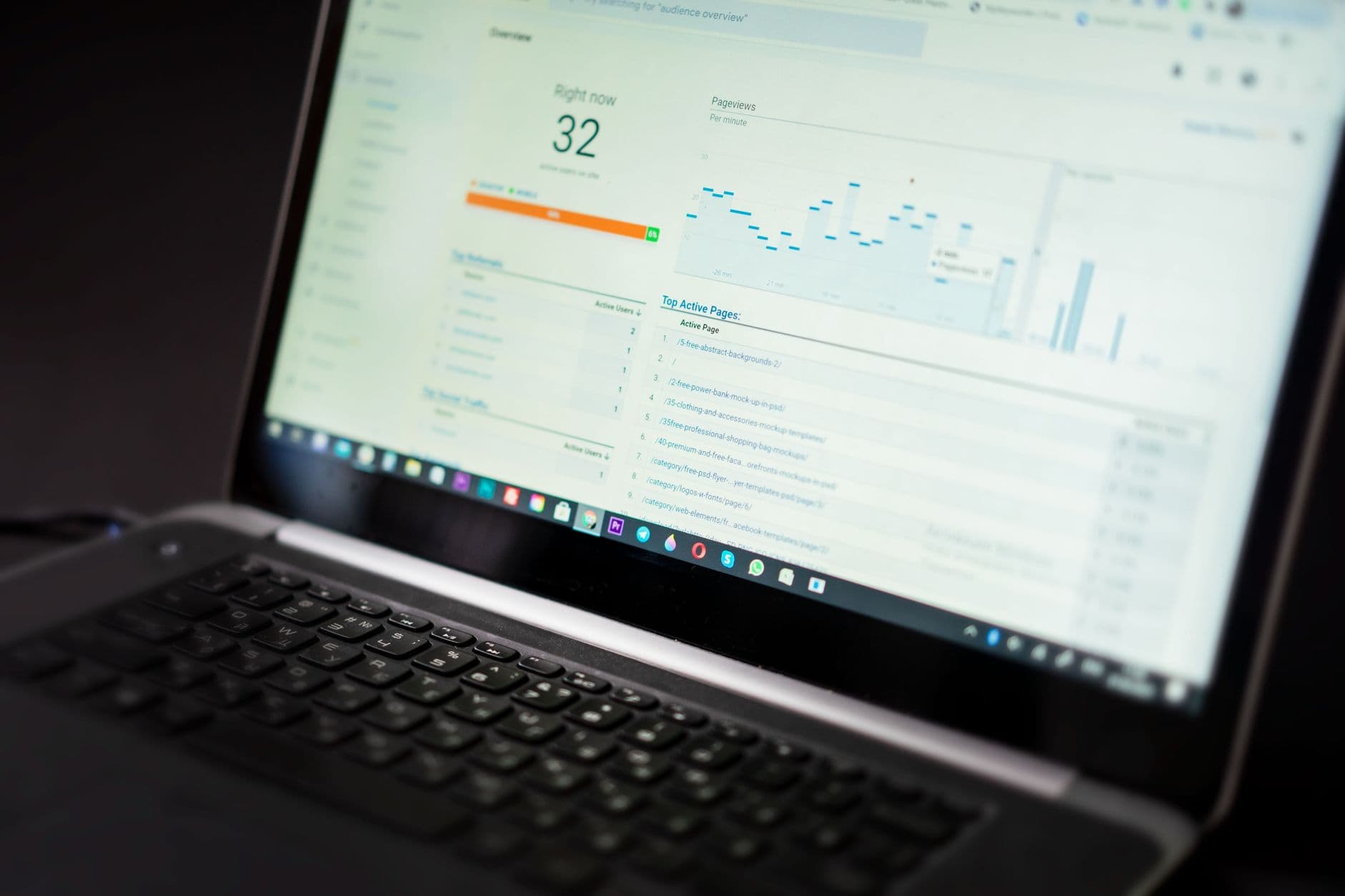
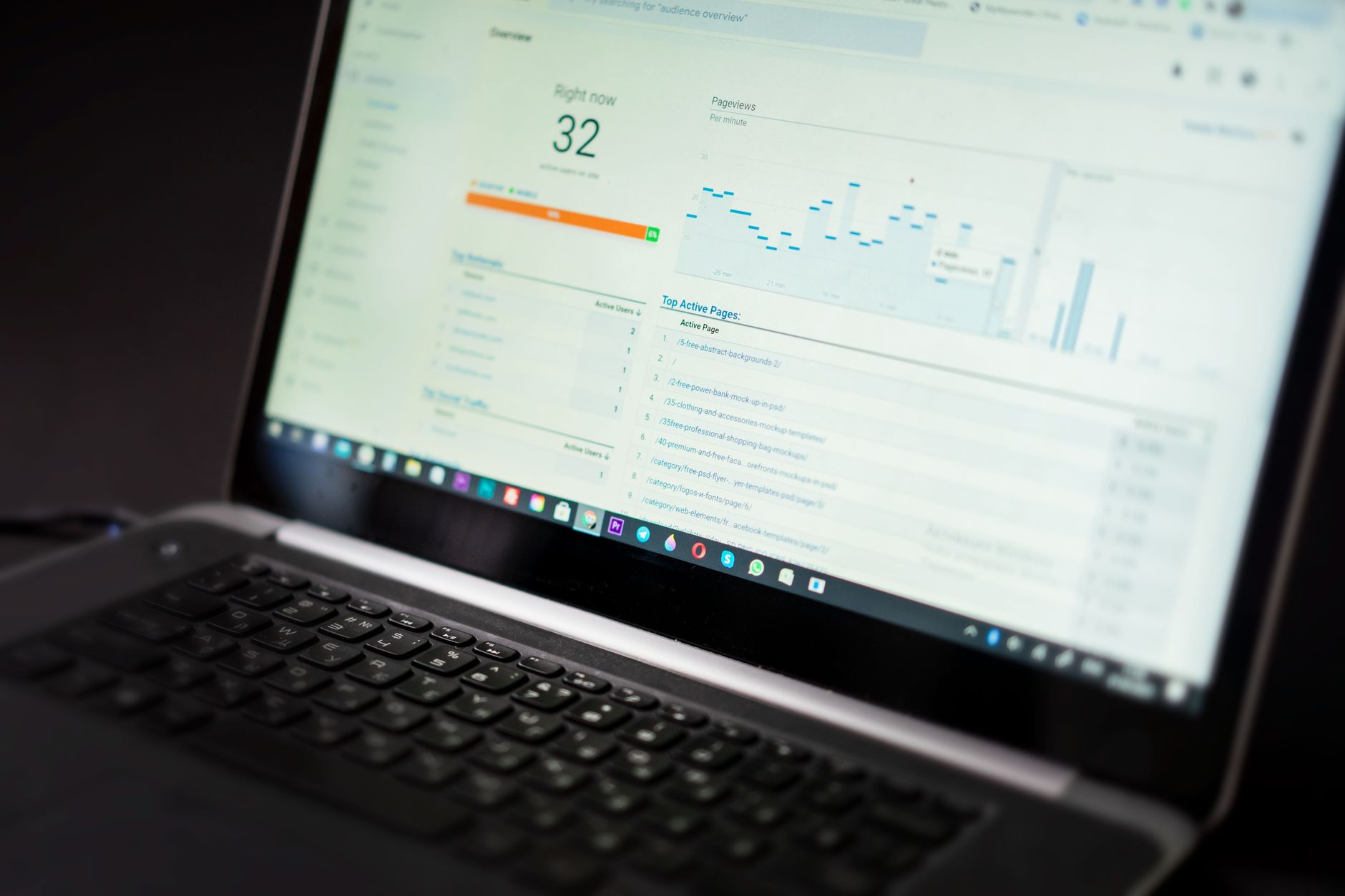
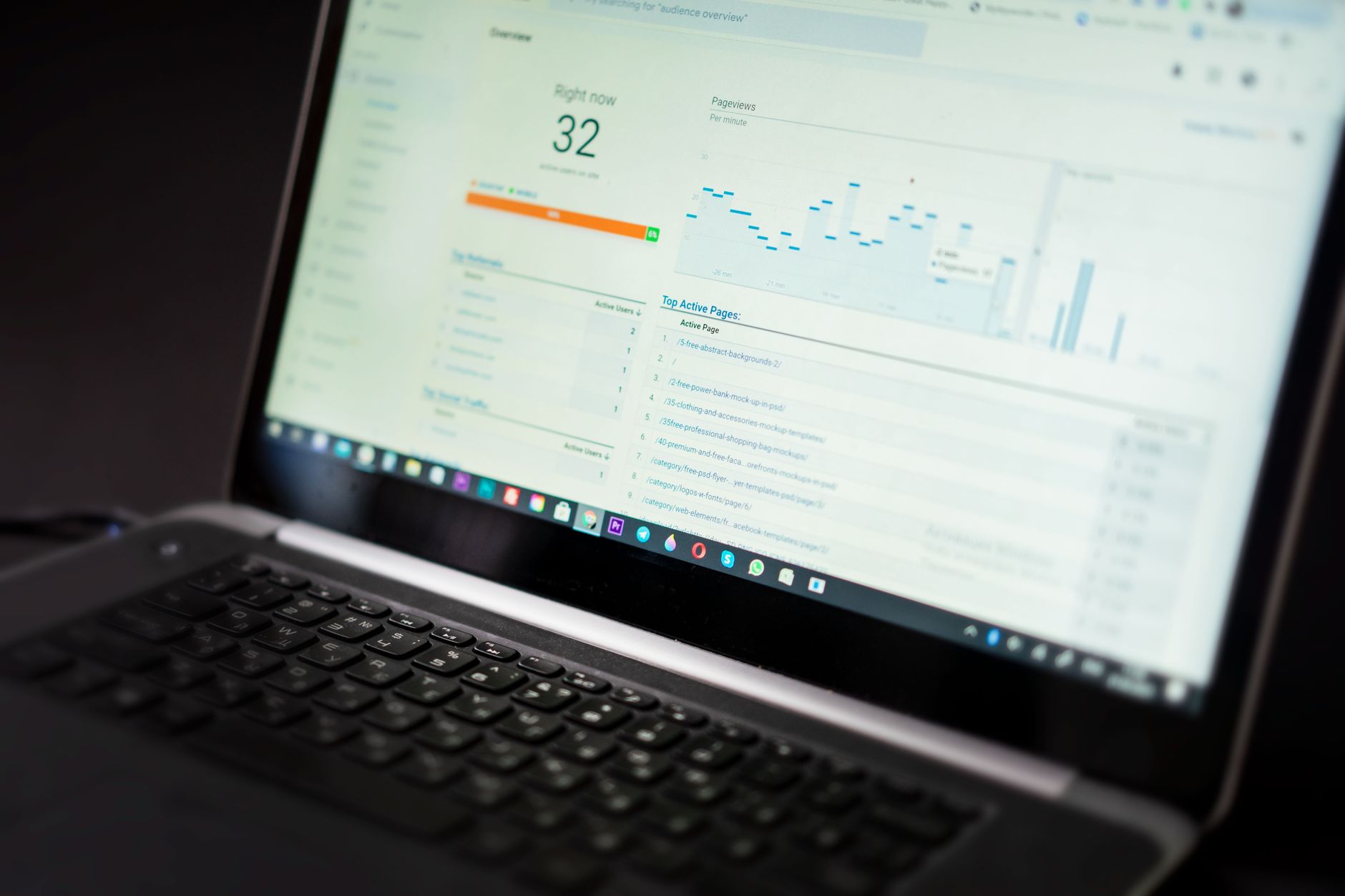
Organic traffic undercounts zero-click research. According to Ahrefs' guide on generative engine optimization, a growing share of queries now resolve entirely within the search results page or an AI chat interface, meaning the user gets their answer without visiting any website. A brand can be the primary source behind an AI-generated answer and show zero sessions in Google Analytics for that interaction.
Topical depth gets flattened into keyword counts. Traditional SEO reporting tracks how many keywords a domain ranks for, but AI answer engines evaluate whether a domain demonstrates comprehensive, structured expertise on a subject, what is increasingly called topical authority SEO. A site with 200 thin pages targeting long-tail variations of the same keyword often loses to a competitor with 20 deeply structured, well-linked pages covering the same entity cluster.
Conversion attribution breaks down when the assist happens off-site. A prospect might read an AI-generated summary that references your brand, form a favorable impression, then later search your company name directly or type your URL from memory. Standard last-click attribution credits that conversion to "direct" or "branded search," hiding the AI-assisted influence entirely.
Put this into practice: Audit your current dashboard and count how many of your reported metrics were designed before 2023. If rankings and sessions make up more than half your SEO scorecard, you are almost certainly under-measuring your real search presence.
Why traditional approaches fall short
The instinct among many marketing teams is to keep the existing rank-tracking stack and simply bolt on a new tool. That approach falls short for several structural reasons.
First, most legacy SEO platforms were architected around crawling and indexing SERPs, not around monitoring generative outputs. They can tell you that a keyword moved from position 7 to position 4, but they cannot tell you whether Perplexity cited your page in its answer to a related conversational query, because that answer is generated dynamically and never appears in a traditional SERP crawl.
Second, keyword-centric reporting assumes a stable, enumerable set of search queries. AI chat interfaces handle infinite query variations and follow-up questions, so a metric built around "tracked keywords" inevitably misses the long tail of conversational phrasing where citations actually happen.
What is the 80/20 rule of SEO, and does it still apply?
The 80/20 rule in SEO traditionally means that roughly 80% of organic results come from 20% of the effort, typically technical fixes, a handful of high-intent pages, and core authority signals like backlinks. That principle still applies in 2026, but the 20% has shifted. Instead of spreading effort across hundreds of keyword variations, the highest-leverage 20% now includes structuring content for entity clarity, building topical clusters that AI systems can parse, and earning citations in authoritative sources that generative engines pull from. Teams that keep applying the old 80/20 split, chasing keyword volume instead of citation quality, spend effort on the 80% that increasingly returns diminishing value.
Is SEO dead or evolving in 2026?
SEO is not dead, but the definition of success has evolved. Search demand has not disappeared; it has fragmented across Google's classic results, AI Overviews, and standalone chat assistants. HubSpot's State of Marketing research has repeatedly found that organic search remains one of the top channels marketers rely on for lead generation, even as they report growing uncertainty about how to measure AI-influenced discovery. The mechanics of visibility have changed, structured content, clear entities, and citable sources now matter more than raw keyword density, but the underlying goal, being the trusted answer to a customer's question, has not changed at all.
Third, most attribution models still assume a session-based journey: click, land, convert. When the influence happens inside an AI answer that never generates a session, these models simply have no field to record it in, so the value gets misattributed to branded search or direct traffic and the SEO function appears to be underperforming when it is actually working.
Put this into practice: Stop asking your team to report only rank and traffic movement. Add a standing agenda item to every SEO review that asks, "where did we get cited, referenced, or paraphrased this month, and by which engine?"
A better approach
A modern measurement framework treats AI SEO metrics as a layered system, not a single dashboard number. Four categories give a fuller, more honest picture of search presence.
Citation visibility tracks how often and how prominently your content is referenced inside AI-generated answers across ChatGPT, Perplexity, Google AI Overviews, and Copilot. This requires a form of AI Overview checker or citation monitoring workflow that queries these engines with representative prompts and logs whether, and how, your domain appears. Instead of tracking 500 keywords, teams typically monitor the 30 to 50 questions their buyers actually ask an AI assistant during research.
Entity coverage measures whether AI systems correctly understand who you are, what you do, and how you relate to adjacent topics, people, and products. This is closely tied to structured data, consistent NAP information, Wikipedia and Wikidata presence, and clean knowledge graph signals. Weak entity coverage is often why a well-written article still fails to get cited: the AI engine simply is not confident about which entity the page represents.
Topical authority is the depth and interconnectedness of your content across a subject cluster, evaluated through internal linking patterns, coverage of subtopics, and freshness. Our internal work on which elements belong in an SEO content brief that ranks shows that briefs built around entity relationships, rather than isolated keywords, consistently produce pages that both rank and get cited by AI engines.
Assisted conversions capture the downstream commercial impact of AI-driven visibility, even when it never generates a trackable session. This means combining branded search lift, direct traffic increases following a citation spike, and self-reported attribution ("how did you hear about us" survey fields) into a composite view rather than relying on last-click data alone.
Measuring company presence in AI answer engines
Measuring company presence in AI answer engines starts with defining a fixed panel of prompts that mirror real buyer research, then running them on a recurring cadence against the major assistants. Launchmind's approach logs each response, flags whether the brand appears, records the exact citation context, and tracks position within multi-source answers, because being mentioned third in a five-source answer is a meaningfully weaker signal than being the primary cited source. Clients working with our SEO Agent get this presence data alongside traditional ranking reports, so the two data sets can be read side by side rather than treated as separate disciplines.
KPIs to track for GEO: the core metric set
The most important KPIs for GEO break down into four measurable buckets: citation frequency (how many monitored prompts return your brand), citation share of voice (your mentions relative to competitors across the same prompt set), entity confidence (whether structured data and third-party profiles correctly define your brand), and topical completeness (the percentage of subtopics in a cluster your content actually covers). Teams that report on these four KPIs alongside rankings give leadership a genuinely complete view of AI search performance, rather than a partial one built entirely around click-based data. We cover several of these in more depth in our comparison of content strategies that actually work for AI search engines.
How to measure AI SEO performance step by step
Measuring AI SEO performance in practice follows a repeatable sequence. Start by building a prompt panel of 30 to 80 realistic buyer questions, drawn from actual customer conversations, support tickets, and sales call transcripts rather than guessed keywords. Run that panel monthly against the major AI engines and log citation appearance, position, and exact quoted context. Cross-reference citation gains against branded search volume and direct traffic in Google Search Console and analytics to spot assisted-conversion patterns. Finally, layer in a topical coverage audit, mapping every subtopic a real expert would expect content to address, then scoring your existing content against that map to find gaps competitors might be filling instead.
This process mirrors traditional keyword tracking in structure but replaces the underlying data source. Teams that have shifted budget toward this model report faster gains in citation frequency than in traditional rank movement, largely because AI engines re-crawl and re-generate answers far more frequently than Google refreshes its core algorithm. You can see how this plays out for real brands in our success stories, where citation visibility improved within weeks of restructuring content around entity clarity rather than months of waiting on ranking shifts alone.
Is there an AI tool for SEO metrics tracking?
Yes, a growing category of tools now specifically tracks AI SEO metrics rather than traditional rankings alone. These range from AI Overview checkers that log whether a domain appears in Google's generated summaries, to broader citation-monitoring platforms that query ChatGPT, Perplexity, and Copilot on a schedule and report which sources get referenced. Our own breakdown of the best AI SEO tools compared for 2026 walks through how these platforms differ in coverage, refresh frequency, and the depth of citation context they capture. Most standalone tools handle one piece of the puzzle well, either citation tracking or entity auditing, but few combine citation monitoring, topical gap analysis, and assisted-conversion modeling into a single reporting layer, which is the gap Launchmind's platform was built to close.

Put this into practice: Pick one AI engine (start with the one your buyers use most) and manually run your top 20 buyer questions through it this week. Log every brand that gets cited. That single exercise, done without any paid tool, already reveals your current citation gap.
Implementation tips
Rolling out an AI SEO metrics framework does not require replacing your entire measurement stack overnight. Start by adding a citation visibility column to your existing SEO reporting template, even if it is manually populated at first. This single change forces every stakeholder conversation to include AI search presence rather than treating it as a side project.
Next, audit entity signals before investing further in content volume. Check that your Google Business Profile, LinkedIn company page, Wikidata entry (if applicable), and structured data markup all describe your brand consistently. Inconsistent entity signals are one of the most common, and most fixable, reasons a well-written page fails to get cited by an AI engine, and this issue often compounds for companies expanding into new markets, a pattern we've seen play out in local contexts covered in how local SEO works when AI runs the playbook.
Build topical authority through clusters, not isolated posts. Map every subtopic a genuine subject-matter expert would expect covered, then prioritize the gaps. Backlinks still matter here too, not as a raw count but as a trust signal AI engines weigh when deciding which sources to cite; teams looking to strengthen that signal can explore an automated backlink service built around relevance rather than volume.
Finally, set realistic timelines and ownership. Citation visibility can shift within weeks because AI engines regenerate answers frequently, but topical authority and entity trust take longer to establish, typically a full content cycle of three to six months. Assign a single owner to the AI SEO metrics dashboard so citation data doesn't get siloed away from the traditional SEO report leadership already reviews.
Put this into practice: In your next reporting cycle, replace one vanity metric (like total keywords tracked) with one AI SEO metric (like citation share of voice). Small substitutions like this shift team behavior faster than a full dashboard overhaul.
FAQ
How to measure AI SEO?
Measure AI SEO by combining citation visibility (how often AI engines reference your content), entity coverage (whether your brand is correctly identified across structured data and third-party profiles), topical authority (coverage depth across a subject cluster), and assisted conversions (branded search and direct traffic lift following citation gains). No single number captures AI SEO performance; it requires this layered view.
Can ChatGPT do an SEO audit?
ChatGPT can perform a useful preliminary content and structure review, flagging missing headers, thin coverage, or unclear entity signals, but it cannot crawl your live site, check technical indexing status, or verify real citation data across other AI engines. Treat it as a drafting and brainstorming aid rather than a substitute for a full technical and citation audit.
Where can I find tools that automate AI SEO metrics tracking?
A handful of platforms now automate citation monitoring, entity auditing, and topical gap analysis in one place rather than requiring separate manual checks across each AI engine. Launchmind's GEO optimization service bundles citation tracking, entity coverage checks, and topical authority mapping into a single recurring report, which removes the need to stitch together multiple point solutions manually.
What is the 30% rule for AI in marketing?
There is no single official "30% rule" for AI, but the figure commonly circulates as a rough benchmark suggesting that roughly 30% of a brand's content or workflow should involve AI-assisted production or optimization before returns start to plateau without human oversight. In practice, teams get the best results treating AI as an accelerant for research and drafting while keeping expert review and editing firmly in human hands.
What are people saying about AI SEO metrics on Reddit and industry forums?
Discussion threads on marketing and SEO forums frequently center on two frustrations: uncertainty about which AI Overview checker tools are reliable, and skepticism about whether citation counts truly correlate with revenue. The consensus among experienced practitioners is that citation visibility should be tracked as a leading indicator alongside, never instead of, traditional conversion and pipeline data.
Conclusion
Rankings and organic traffic will not disappear as metrics, but they no longer tell the full story of whether a brand is actually visible where its customers now search. Citation visibility, entity coverage, topical authority SEO, and assisted conversions together answer the question that matters most to marketing leadership: is our content actually building trusted presence across the engines that increasingly mediate discovery, or just accumulating pageviews that don't move the business forward?
Teams that make this shift early gain a real advantage, because the companies still reporting only rank and session data are, in effect, measuring last year's search landscape. If you want a clear read on where your brand currently stands across AI answer engines and a practical roadmap to close the gaps, start your free GEO audit at Launchmind. Start your free GEO audit today.
Sources
- What Is Generative Engine Optimization (GEO)? · Ahrefs
- State of Marketing Report · HubSpot