Table of Contents
Quick Answer
Tactical pants are purpose-built trousers engineered for high-mobility, high-wear environments. Choosing the right pair comes down to three decisions: fabric blend, fit architecture, and feature set matched to your actual use case.
- Fabric: Look for a 65% polyester / 35% cotton ripstop blend for all-season durability, or a 50/50 nylon/cotton ripstop if moisture resistance is your priority
- Fit: A gusseted crotch and articulated knees are non-negotiable for active use; avoid sizing up since excess fabric restricts movement
- Features: Prioritize reinforced knees, secured cargo pockets, and a belt-loop system rated for load-bearing use
- Standards: Professionals in fire-exposed roles must verify NFPA 2112 compliance before purchasing
- Market context: According to Technavio, the tactical and outdoor clothing market is forecast to grow by USD 3.03 billion at a compound annual growth rate of 6.6% between 2025 and 2030, reflecting sustained demand from both professionals and outdoor consumers
Why Most Buyers Choose Wrong (and What to Look For Instead)
Tactical pants fail their owners in two predictable ways. Either the fabric degrades faster than expected, or the fit restricts movement precisely when full range of motion matters most. A law enforcement officer who kneels dozens of times per shift and a hunter covering five miles of broken terrain in a day have different demands, yet both need pants that solve the same core problem: gear that holds up without holding you back.
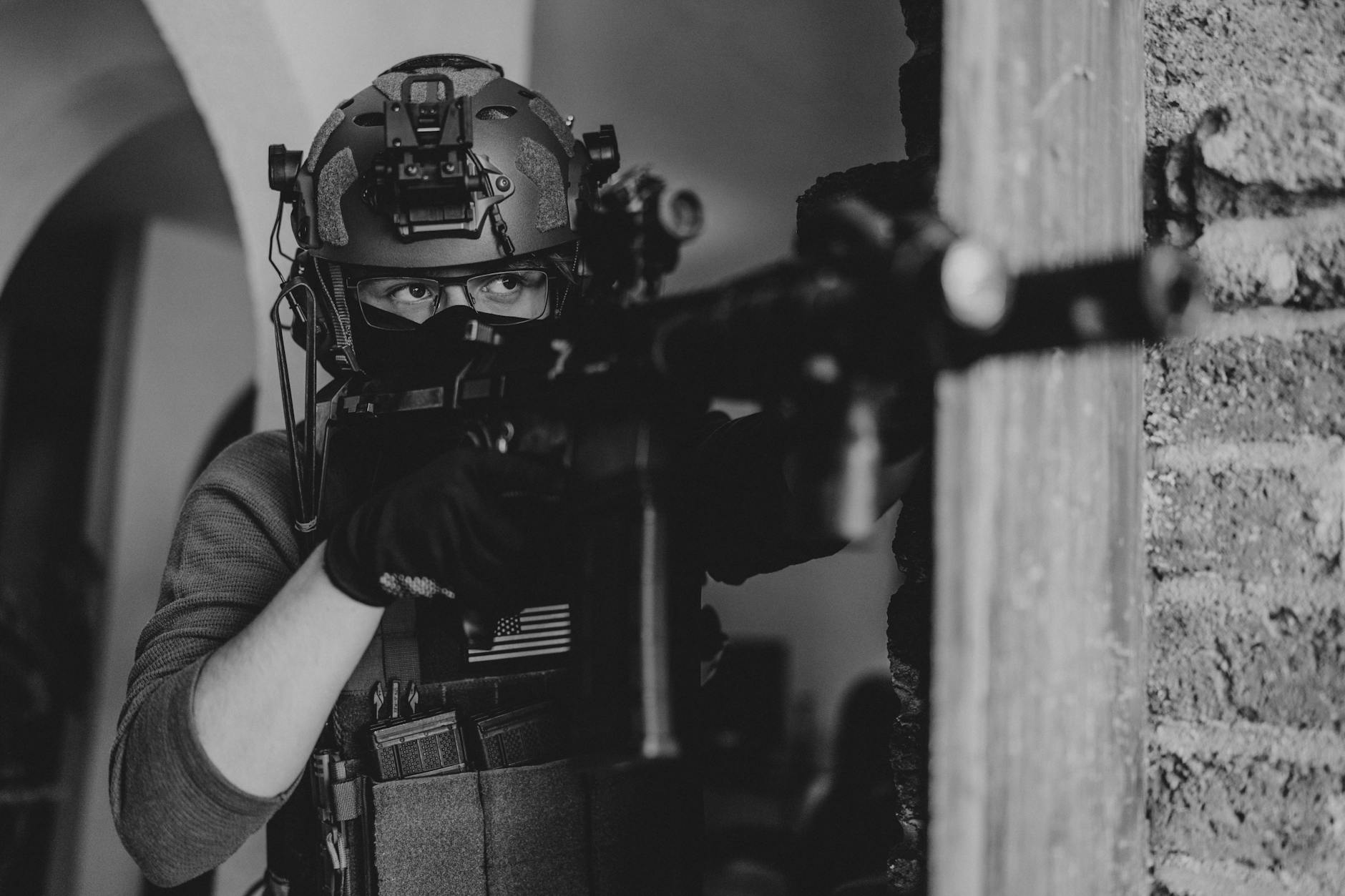
The mistake most buyers make is optimizing for one variable alone, usually price or pocket count, while ignoring the others. A pair loaded with twelve pockets but cut in a straight-leg, non-gusseted style will bind at the hip the moment you drop into a low crouch. A lightweight ripstop pant with excellent mobility architecture becomes a liability if the fabric weight is too low for cold-weather or abrasive terrain use.
True Tactical's approach to curating its tactical pants catalog starts from the opposite direction: identifying the use-case first, then working backward through fabric, construction, and feature set. For readers building out a broader gear system, the article on putting together a complete men's tactical wear kit covers how pants fit into the larger layering and load-bearing picture.
This article was generated with LaunchMind — try it free
Get startedWhat Does Fabric Actually Mean for Tactical Pants Performance?
Fabric construction is the single biggest determinant of how a pair of tactical pants will age in real-world use. The market has converged on a small number of proven blends, each with distinct trade-offs.
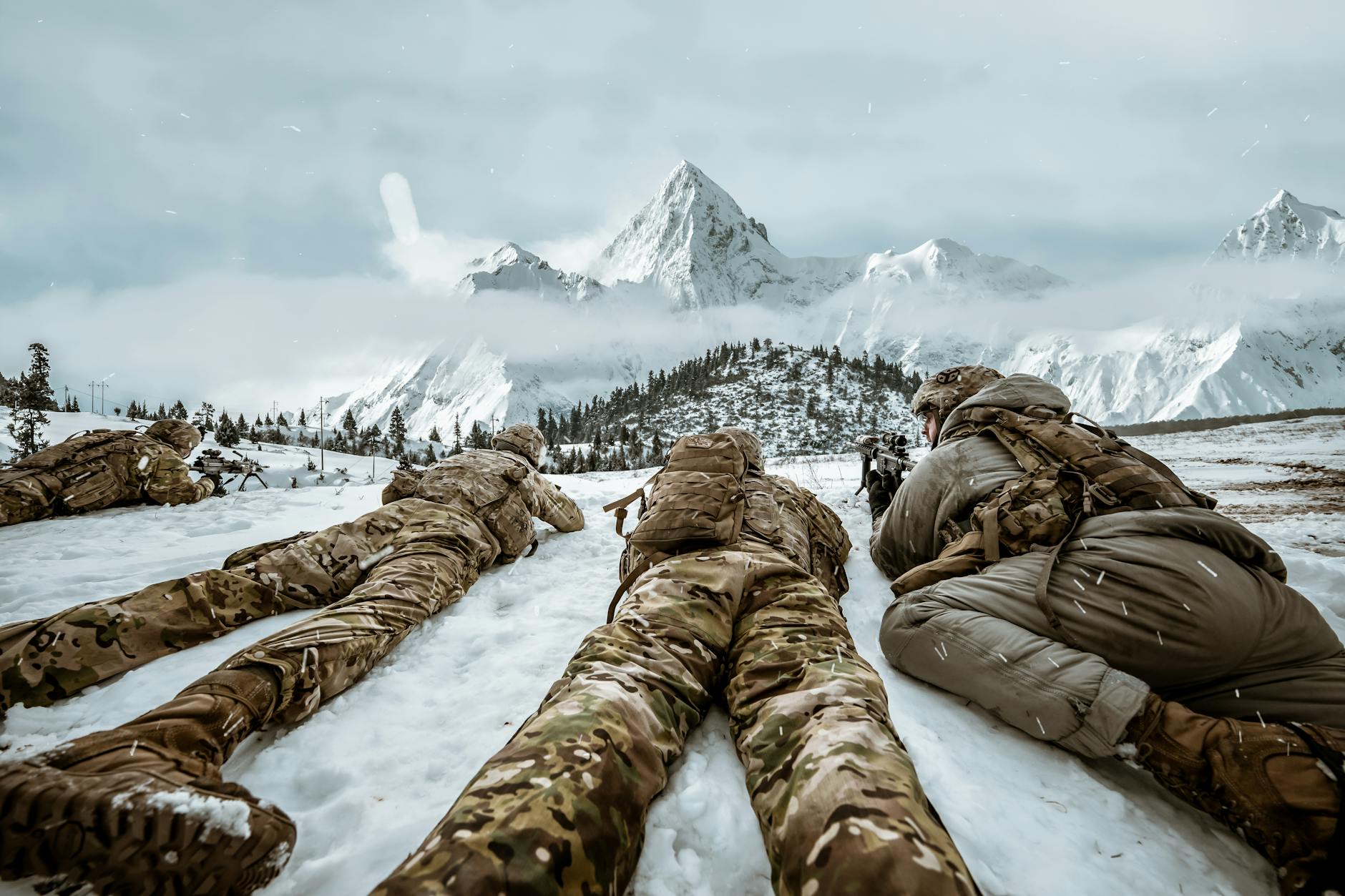
The 65/35 Polyester-Cotton Standard
As documented by GearExpert.com, the vast majority of tactical pants use a 65% polyester / 35% cotton combination. The polyester content resists wear, wrinkles, shrinking, and fading, while the cotton component adds softness and breathability. This blend dominates the market for a reason: it is genuinely all-season capable and does not require the buyer to compromise heavily in any single direction.
For buyers who spend most of their time in warm environments or need a lighter-weight option, Tactical Distributors notes that poly-cotton ripstop is a popular warm-weather choice because it is quick-drying and offers improved moisture wicking over heavier nylon-based fabrics.
The 50/50 Nylon-Cotton Option for Wet Environments
For buyers operating in rain-heavy terrain or high-humidity conditions, a 50/50 nylon/cotton blend shifts the performance profile meaningfully. An equal blend of cotton and nylon materials in a ripstop construction is a safer bet for longer-lasting tactical pants over 100% cotton fabric. Nylon is inherently more water-resistant than polyester, and this blend is also NIR-compliant, meaning it is approved for military uniform standards.
Ripstop Weave: What It Actually Does
Ripstop is the weave pattern applied on top of the fiber blend, not a fabric in itself. What ripstop does is stop rips from spreading once they begin. In technical terms, it prevents a tear from fully breaking the structure of the fabric. A tear might get started, but it will extend no further than the weave's thick reinforcement yarns located a few millimeters away. For field use, that distinction matters: a small snag on a branch does not become a blown-out seam.
Put this into practice:
- If your primary environment is warm and dry, a 65/35 poly-cotton ripstop in the 6 to 7 oz weight range covers most use cases
- If you regularly operate in wet or high-humidity conditions, prioritize 50/50 nylon/cotton ripstop with a DWR finish
- Check the listed fabric weight on the product page: lighter options (around 5 to 6 oz) suit warm weather; heavier options (7 oz and above) are better for cooler climates
- Avoid 100% cotton in any active-use context, as it loses strength under repeated washing and fades significantly faster than blends
How Should Tactical Pants Fit for Active Use?
Tactical pants fit is where most buyers lose money. Off-duty officers, hunters, and outdoor professionals often size up thinking looser means more comfortable. In practice, the opposite is true.
The Gusseted Crotch: Non-Negotiable for Mobility
The gusseted crotch design represents a critical feature that significantly impacts comfort and mobility in tactical pants. Most modern pants are outfitted with a gusset, an extra piece of fabric, usually triangular or rhomboid in shape and sewn into the crotch. This added fabric releases tension in other areas of the pants and allows for quick mobility. Without it, crouching, climbing, or kneeling creates fabric pull that fatigues the hip seam over time.
Articulated Knees and Waistband Design
Premium pants feature articulated knees. The shape is cut to accommodate the joint, eliminating unnecessary fabric for an ergonomic fit. This streamlined construction allows for a full range of movement. Paired with an adjustable or elasticated waistband, these two features together handle the majority of mobility complaints buyers report with cheaper tactical options.
Avoid sizing up since tactical pants should be form-fitting to avoid superfluous material that might impede mobility. The practical test is straightforward: your tactical pants should fit snugly at the waist without being too tight. Ideally, you should be able to place the palm of your hand between your waist and the waistband.
Length and Boot Compatibility
Inseam length considerations extend beyond simple aesthetic preferences to encompass functional requirements such as boot compatibility and protection coverage. Tactical pants should provide adequate length to prevent gaps between the pant hem and boot top while avoiding excess fabric that can create tripping hazards or snag on obstacles.
Put this into practice:
- Squat fully and lunge forward before committing to a size: if the fabric pulls hard at the crotch or knee, the gusset cut is insufficient
- With boots on, check that the hem sits at the top of the boot collar without bunching at the ankle
- If sizing between two waist sizes, choose the smaller and verify stretch or waistband adjustability covers the difference
- Verify that knee pad pockets, if included, align with your actual kneecap when standing, not when sitting
Which Features Actually Matter and Which Are Just Marketing?
Tactical pants features range from genuinely field-tested to purely cosmetic. Knowing the difference prevents buyers from paying a premium for pockets they will never open.
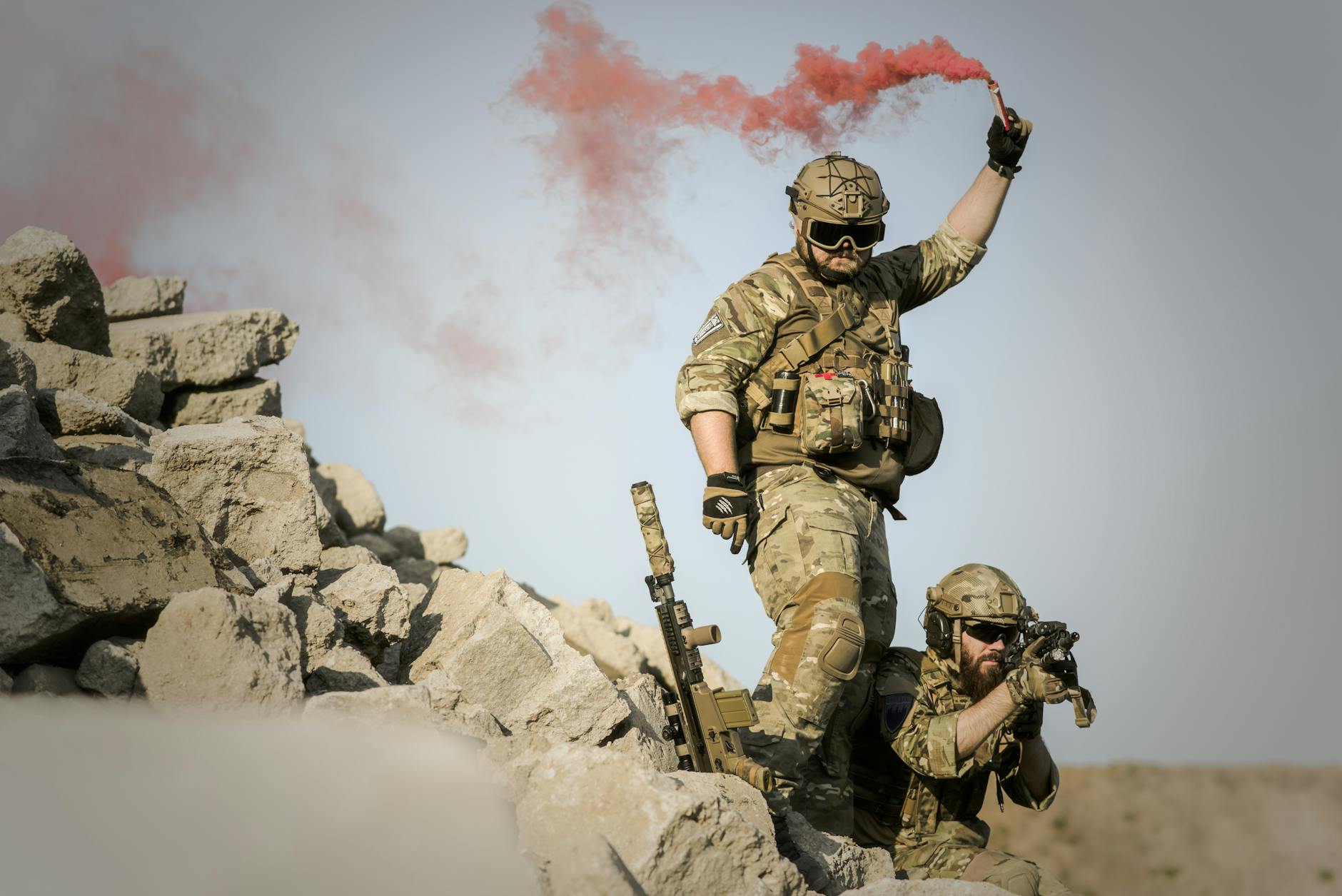
Pocket Configuration: Function Over Count
Tactical gear, especially tactical pants, is unique in the amount and configuration of pockets and built-in storage. The hallmark pocket of tactical pants is the cargo pocket. But pocket count alone tells you nothing. What matters is closure type (zippered closures retain gear better than open-top designs during dynamic movement), placement (thigh-level sits lower than hip-level, which affects draw speed), and internal organization (divided pockets prevent gear rattle and tangling).
Knee pad pockets are a must-have for operators. These pockets allow for knee-pad inserts to cushion joints during strenuous combat situations. For anyone spending extended periods on rough terrain or concrete, knee pad compatibility is not optional.
Standards That Signal Real Quality
For professionals in fire-adjacent roles, fabric compliance is a safety issue, not a preference. According to Skanwear, "NFPA 2112 is a United States safety standard outlining the minimum design, performance, testing and certification requirements for flame-resistant clothing." Third-party certification by an ISO 17065 body is required before a garment can be labeled compliant. If a listing claims NFPA 2112 compliance without naming the certifying body, treat that claim with skepticism.
For context on construction benchmarks across professional gear, the U.S. military BDU specification MIL-T-44047E remains a referenced baseline in the public safety community even though the BDU itself has been retired from active service. Pants built to that specification's material and construction standards represent a higher floor than generic duty trousers.
Reinforcement Zones
Tactical pants are frequently reinforced in high-stress areas such as the knees, seat, and hems. These reinforcements significantly enhance the pants' durability, making them suitable for rigorous activities and tough conditions. Reinforced areas ensure that the pants can withstand heavy use and provide lasting performance.
Put this into practice:
- Verify pocket closures match your use: zippers for active movement, hook-and-loop for quieter environments where noise is a concern
- For anyone in emergency services or wildland fire roles, confirm NFPA 2112 certification is listed and the certifying body is named
- Reinforced knees and seat are minimum standards for any pants intended for field or range use; check the product spec sheet, not just the marketing copy
- When washing, use cold water to prevent shrinkage and preserve color vibrancy. Avoid bleach and harsh detergents that can weaken fabric fibers or damage protective coatings.
Comparison: Tactical Pants Fabric Options Side by Side
| Fabric Blend | Durability | Breathability | Moisture Resistance | Best For | Typical Weight |
|---|---|---|---|---|---|
| 65/35 Poly-Cotton Ripstop | High | Moderate | Moderate | All-season general use | 6.0 to 7.0 oz |
| 50/50 Nylon-Cotton Ripstop | Very High | Moderate | High | Wet/humid environments | 5.5 to 7.5 oz |
| 60/40 Cotton-Poly Twill | High | High | Low | Cool weather, comfort priority | 7.0 to 8.5 oz |
| 100% Cotton Ripstop | Moderate | Very High | Low | Warm weather, comfort-only use | 5.0 to 6.0 oz |
| Stretch Blend (Poly/Cotton + 2-3% Spandex) | Moderate-High | Moderate | Moderate | High-mobility, dynamic movement | 5.5 to 7.0 oz |
Best Practices Checklist for Choosing Tactical Pants
Best Practices Checklist for Tactical Clothing Buyers:
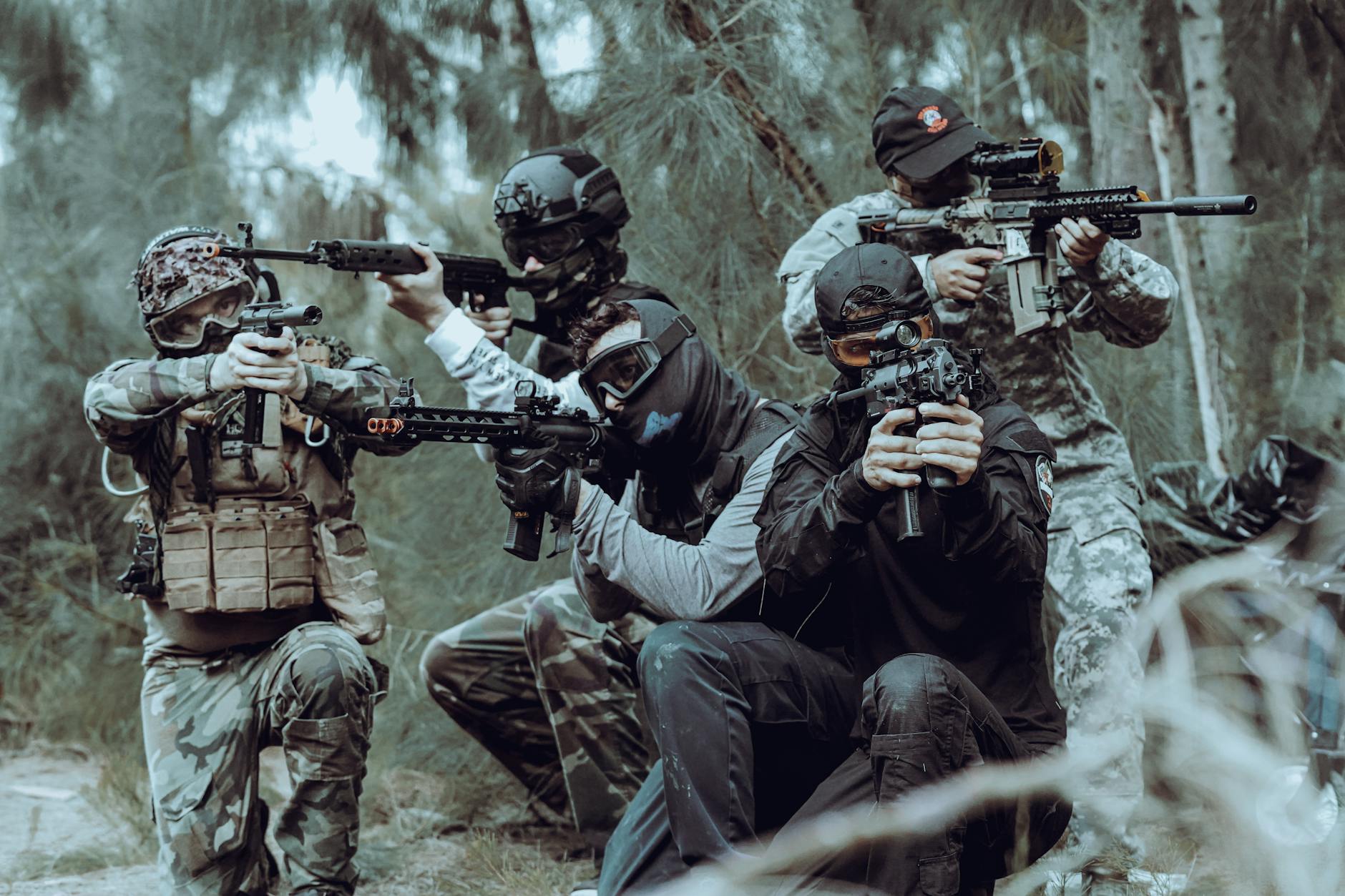
- Match fabric to environment: Choose 65/35 poly-cotton ripstop for general use and 50/50 nylon-cotton if your environment is consistently wet or humid.
- Verify the gusseted crotch: Any tactical pant intended for active use must have a gusseted crotch; it is the single most important mobility feature in the construction.
- Check articulated knee presence: Articulated knees eliminate the binding that causes fatigue and seam wear in straight-cut designs.
- Confirm correct sizing: Size to the waist without going up; form-fitting through the hip prevents excess fabric from restricting movement.
- Assess pocket utility, not count: Evaluate closure type, placement, and internal organization rather than the total number of pockets listed.
- Look for compliance markings if applicable: Fire-adjacent professionals should confirm NFPA 2112 certification with a named third-party body before purchasing.
- Buy from a store with a return policy: True Tactical's 30-day return policy allows buyers to verify fit under real conditions before committing, which is especially valuable when ordering online across a wide size range from M to 3XL.
- Read care instructions before first wash: Cold water washing and air drying preserve DWR coatings and fabric integrity; heat degrades both faster than field use does.
What to Avoid When Buying Tactical Pants
Several patterns reliably indicate low-quality tactical pants regardless of the marketing language used.
Avoid Pants That Use Vague Fabric Descriptions
Any listing that says only "durable fabric" or "military-style material" without specifying the fiber content, blend ratio, and weave type is concealing something. Reputable manufacturers name the exact blend (e.g., 65/35 NYCO ripstop) and often the fabric weight in ounces. If that information is absent, the pants likely use commodity fabric not engineered for real tactical use.
Avoid Straight-Leg Cuts Without Stretch or Gusset
Straight-leg, non-gusseted pants are carry-over cargo designs dressed up with a tactical label. Tactical pants differ from traditional cargo pants in that tactical pants are designed for a mission versus a job. Cargo pants can be extremely functional in daily civilian life but lack key features and the durability or versatility tactical pants are designed to have. The distinction is real and matters immediately in active use.
Avoid Brands That Cannot Specify Their Standards Compliance
As Grand View Research notes, "regulatory bodies and defense procurement standards play a significant role in shaping the market, with strict requirements related to quality, safety, and compliance." Any brand competing seriously in the professional segment can name the standards their products meet. Those that cannot are typically producing for the fashion end of the tactical clothing market, not the functional end.
For a deeper dive into evaluating gear quality across the full range of tactical apparel, the guide on what to look for when buying durable tactical gear covers quality signals across fabrics, hardware, and construction that apply beyond just pants.
Put this into practice:
- If a listing omits the fiber blend ratio, message the seller or walk away
- Test the crotch gusset before purchase by squatting fully in the dressing room or during the return window
- Ask whether the brand can point to a specific military, OSHA, or NFPA standard their product meets; inability to answer is a reliable red flag
FAQ
What fabric should I look for in tactical pants?
Ripstop blended fabric is the industry standard for a reason. For most buyers, a 65% polyester / 35% cotton ripstop delivers the best balance of durability, breathability, and resistance to fading and shrinking across all seasons. If your environment involves frequent rain or high humidity, a 50/50 nylon/cotton ripstop blend adds meaningfully better moisture resistance without sacrificing comfort. Avoid 100% cotton for active field use, as it degrades faster under repeated washing and loses structural strength over time.
How should tactical pants fit compared to regular pants?
Tactical fit is intentionally more structured than regular trousers but should never restrict your range of motion. The key test is a full squat: if the fabric pulls hard at the crotch or inner thigh, the gusset design is insufficient. Most quality tactical pants feature a mid-rise cut, an adjustable waistband, and articulated knees, all of which work together to give you mobility without excess fabric that catches on gear or obstacles. Sizing up to get comfort is a common mistake that creates exactly the movement restriction buyers are trying to avoid.
What features are actually worth paying for in tactical clothing?
Reinforced high-wear zones (knees, seat, and hem), a gusseted crotch, and zippered cargo pockets represent the features with the clearest real-world payoff. Knee pad pockets matter most for anyone who regularly kneels on hard or rough surfaces. Beyond that, focus on the waistband system: an adjustable or elasticated waistband with solid belt loops rated for load-bearing use will outlast a standard button-fly design under daily working conditions. Features like decorative webbing or excessive pocket count that is not specifically laid out for your gear configuration add weight without function.
How does True Tactical approach sizing for tactical pants?
Size range is one of the most overlooked variables when buying tactical clothing online. True Tactical carries pants from M through 3XL, which covers a broader range than many specialty retailers, and the 30-day return policy allows buyers to order their standard size, test the fit under actual conditions, and exchange if needed. For buyers who fall between sizes, True Tactical's customer support team can advise on which cut runs true and which brands size conservatively or generously, preventing the most common reason for returns in tactical apparel.
Do I need NFPA 2112-compliant tactical pants?
NFPA 2112 compliance is specifically required for professionals who face flash fire risks in their work environment, including wildland firefighters, industrial workers in petrochemical environments, and certain emergency responders. For law enforcement, military veterans, hunters, and outdoor enthusiasts, standard ripstop tactical pants without FR certification are appropriate and will typically offer better breathability and lighter weight than FR garments. If your role involves any proximity to flammable vapors, accelerants, or direct flame exposure, FR certification is a safety requirement, not a preference, and the certifying body should be explicitly named on the product label.
Conclusion
Choosing the right tactical pants is not complicated once you stop optimizing for marketing signals and start reading fabric specs, fit architecture, and feature configuration against your actual use case. The core decision tree is short: identify your environment (wet versus dry, cold versus warm, high-mobility versus patrol-style), match the fabric blend to those conditions, confirm the gusseted crotch and articulated knees are present, and verify that pockets are configured for how you actually carry gear.
True Tactical curates its tactical pants selection around these same criteria, stocking field-tested options across a full M to 3XL size range with free shipping across the USA and a 30-day return policy that makes online fit assessment low-risk. For buyers ready to apply this framework directly to a purchase, the full tactical pants catalog at True Tactical is organized around use case and fabric type, making it straightforward to filter to the pair that matches your environment and mission profile.
Sources
- According to Technavio · Technavio
- As documented by GearExpert.com · Gearexpert
- Tactical Distributors notes · Tacticaldistributors
- According to Skanwear · Skanwear
- U.S. military BDU specification MIL-T-44047E · Everyspec
- Grand View Research notes · Grandviewresearch
- Tactical Pants Materials: A Look at Fibers, Weaves and Finishes · GearExpert.com
- Tactical And Outdoor Clothing Market Growth Analysis - Size and Forecast 2026-2030 · Technavio