विषय सूची
त्वरित उत्तर
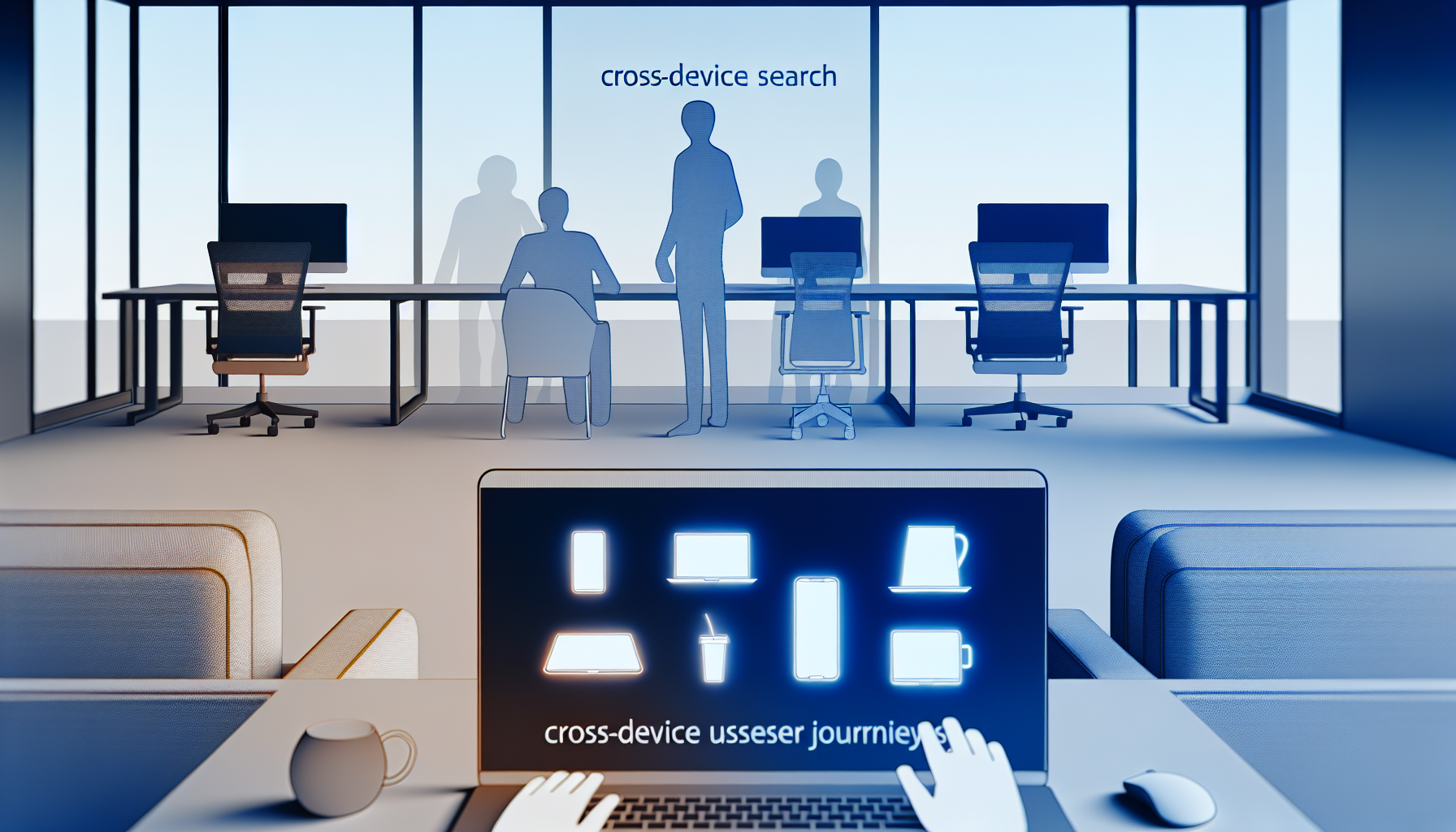
Cross-device search तब होता है जब एक ही ग्राहक फोन, डेस्कटॉप, टैबलेट, voice assistants और ऐप्स के बीच स्विच करते हुए रिसर्च और खरीदारी पूरी करता है। multi-device user journeys optimize करने के लिए intent को हर स्क्रीन पर align करना होगा: (1) मोबाइल पर पेज तेज़ और पढ़ने में आसान बनाएं, (2) messaging, pricing और trust signals हर जगह एक जैसे रखें, (3) content को ऐसे structure करें कि search engines और generative engines उसे आसानी से reuse कर सकें, और (4) consented first-party data + platform reporting के जरिए cross-device paths को मापें। जो ब्रांड जीतते हैं, वे device optimization को सिर्फ responsive design तक सीमित नहीं रखते—वे continuity बनाते हैं: saved steps, persistent context, और discovery से conversion तक कम friction.
परिचय: अब journey एक ही स्क्रीन पर नहीं टिकती
“Search session” अब एक ही डिवाइस पर, एक ही पल में खत्म होने वाली चीज़ नहीं रही। एक संभावित ग्राहक ऐसा कर सकता है:
- मोबाइल पर short-form video देखकर आपको discover करे,
- ऑफिस में डेस्कटॉप पर comparison article खोले,
- रात में टैबलेट पर किसी ऐप में reviews चेक करे,
- और आखिर में मोबाइल पर branded search करके convert कर दे।
Marketing leaders के लिए इसका मतलब साफ है: केवल पेज नहीं, पूरी journey optimize करनी होगी। यानी आपकी SEO और GEO (Generative Engine Optimization) strategy को device switching, बिखरा हुआ attention, और अलग-अलग contexts में UX expectations—तीनों को ध्यान में रखकर चलना पड़ेगा।
Cross-device कोई rare case नहीं है। Google काफी समय से बताता आया है कि लोग tasks पूरा करने के लिए multiple devices का उपयोग करते हैं, और measurement भी उसी हिसाब से evolve हुआ है। वहीं mobile usage की dominance बनी हुई है: global web traffic का majority हिस्सा मोबाइल से आता है (StatCounter)। अगर आपका experience “mobile-friendly” तो है, लेकिन desktop वाला comparison page बिल्कुल अलग कहानी बताता है—या आपका checkout फोन पर टूट जाता है—तो आप demand को बीच रास्ते में ही leak कर रहे हैं।
यह लेख बताएगा कि modern search में cross-device behavior का मतलब क्या है, opportunity कहाँ है, और practical steps + real-world example के साथ devices के बीच seamless user journeys कैसे बनाएं।
मुख्य अवसर: cross-device continuity अब ranking और revenue—दोनों के लिए lever है
अधिकांश कंपनियाँ device differences को design problem मानती हैं (“responsive है या नहीं?”)। लेकिन future search में यह growth problem है:
- Users mid-intent डिवाइस बदलते हैं। Discovery, evaluation और conversion अलग-अलग screens और environments पर हो सकते हैं।
- Search engines और generative engines clarity व consistency को reward करते हैं। Structured और consistent information को retrieve, summarize और trust करना आसान होता है।
- Attribution मुश्किल होती है, इसलिए operational rigor जरूरी है। अगर आपका measurement device touchpoints को जोड़ नहीं पाता, तो आप जो काम कर रहा है उसमें underinvest करेंगे और जो सिर्फ दिख रहा है उसमें overinvest।
यह और कठिन क्यों हो रहा है
कई forces cross-device optimization को urgent—और complex—बना रहे हैं:
- Privacy constraints आसान cross-device stitching को कम करते हैं।
- Walled gardens (apps, marketplaces, social platforms) journeys को fragment कर देते हैं।
- AI Overviews और generative answers consideration stages को compress कर देते हैं। अगर user को तुरंत “good enough” answers मिल जाएँ, तो जिन sites को click मिलेगा, उन्हें next step बिल्कुल flawless deliver करना होगा।
मार्केटर्स के लिए upside
जब आप devices के across experience align करते हैं, तो आमतौर पर इन क्षेत्रों में सुधार दिखता है:
- Engagement (lower bounce, longer time on site)
- Conversion rate (कम handoff failures)
- Branded demand (users वापस आकर journey पूरी करते हैं)
- Visibility in AI-generated responses (content extract और cite करना आसान)
यहीं Launchmind आम तौर पर teams के साथ काम करता है: हम technical SEO, content systems, और GEO optimization को जोड़कर cross-device search strategies बनाते हैं—ताकि आपका brand पूरे journey में discoverable भी रहे और frictionless भी। (देखें: GEO optimization)
गहराई से समझें: 2026 में “cross-device search” का असली मतलब
Cross-device search सिर्फ “अलग screens पर same SERP” नहीं है। इसमें शामिल है:
- Device switching: mobile → desktop → mobile (एक task पूरा करने के लिए)
- Context switching: commuting, working, couch browsing, in-store checks
- Surface switching: web search, maps, app search, voice assistants, social search
- Identity switching: logged-in vs anonymous, browser vs app, personal vs work profiles
आधुनिक multi-device funnel (practical model)
Cross-device user journeys को एक three-layer system की तरह सोचिए:
- Intent layer: user किस काम (job) को पूरा करना चाहता/चाहती है?
- Information layer: आगे बढ़ने के लिए उसे कौन-सी जानकारी चाहिए?
- Action layer: इस डिवाइस पर, इस समय, सबसे आसान next step क्या है?
अगर devices के बीच किसी भी layer में break आ गया, तो journey slow हो जाती है या collapse कर जाती है।
टीमें आमतौर पर cross-device conversions कहाँ खो देती हैं
कुछ common “seams” जहाँ revenue leak होता है:
- Mobile snippet का promise और landing page की reality match नहीं करती
- Desktop-only comparison content जो mobile पर काम नहीं करता
- Checkout friction on mobile (forms, payment options, slow scripts)
- Pricing, shipping या availability messaging का pages के बीच inconsistent होना
- No persistence (cart, quote, saved items, “continue later” गायब)
- Fragmented analytics (device handoffs दिखते ही नहीं)
Cross-device ranking realities: अब सिर्फ “mobile-first” नहीं
Google की indexing सालों से mobile-first है, लेकिन marketing leaders को broader truth पर ध्यान देना चाहिए: अक्सर mobile experience ही canonical experience बन जाती है, जिस पर search engines और users दोनों आपको judge करते हैं।
Key implications:
- अगर आप mobile page पर “design के लिए” content trim करते हैं, तो हो सकता है आप वही चीज़ काट रहे हों जो ranking में मदद करती है।
- अगर internal links mobile पर गायब हो जाते हैं, तो crawling और discovery प्रभावित हो सकती है।
- अगर desktop fast है लेकिन mobile heavy है, तो rankings और conversions—दोनों में कीमत चुकानी पड़ेगी।
Google Core Web Vitals meet करने और performance optimize करने की सलाह देता है (Google Search Central)। और स्वतंत्र रूप से, mobile speed का user satisfaction से मजबूत संबंध है—Google research के अनुसार page load time बढ़ने पर bounce की probability काफी बढ़ती है (Think with Google)।
समाधान: device optimization को continuity system की तरह चलाएं
Cross-device search जीतने के लिए device optimization को चार pillars वाला system मानिए।
1) Content continuity: सच्चाई वही, पैकेजिंग context के हिसाब से
Users हर डिवाइस पर अलग जवाब नहीं चाहते—वे वही सच्चाई चाहते हैं, बस उस moment के हिसाब से format में।
क्या करें:
- Core claims consistent रखें: features, pricing, guarantees, availability.
- एक “content spine” बनाएं जो हर जगह intact रहे:
- one-paragraph summary
- feature list
- comparison table
- FAQs
- proof (reviews, certifications, case studies)
- Modular formatting अपनाएं:
- descriptive headers के साथ छोटे sections
- dense paragraphs की जगह bullets
- expandable accordions (accessibly implemented)
GEO के लिए क्यों काम करता है: Generative engines concise, well-structured passages और lists को उठाते हैं। Content spine extractability बढ़ाता है और hallucination risk कम करता है क्योंकि आपके pages unambiguous, consistently repeated facts देते हैं।
Launchmind note: हमारे GEO playbooks आमतौर पर “answer blocks” (definitions, steps, comparisons, FAQs) map करने से शुरू होते हैं, जो classic SERPs और generative answers—दोनों में दिख सकते हैं। Faster path चाहिए तो देखें SEO Agent।
2) Experience continuity: कम resets, ज़्यादा “जहाँ छोड़ा वहीं से शुरू”
Cross-device journeys तब fail होते हैं जब user को वही काम दोबारा करना पड़े।
High-impact continuity upgrades:
- Persistent cart / saved quote / saved configuration (login-based या link-based)
- Long-form pages पर “Email me this” और “Send to my phone” options
- Email/SMS से exact step तक one-click deep links
- Mobile पर simple, sticky CTAs (content block किए बिना)
- Payment flexibility: Apple Pay / Google Pay / PayPal जहाँ appropriate हो
B2B के लिए tip: Decision committees के लिए “Save & share internally” जोड़ें—एक shareable summary link बनाएं जो mobile पर भी अच्छे से readable हो।
3) Technical continuity: performance, parity, और structured data
Responsive design अब table stakes है; असली differentiator है parity.
Cross-device technical parity checklist:
- Content parity: mobile में भी वही primary content और internal links हों जो desktop पर हैं।
- Core Web Vitals: LCP/INP/CLS optimize करें (खासकर mobile पर)।
- Consistent metadata: titles, descriptions, canonical tags—variants में aligned हों।
- Structured data: schema implement और validate करें ताकि information portable बने।
- Organization, Product, Service, FAQPage, HowTo (जहाँ appropriate)
- Mobile पर intrusive interstitials से बचें जो content access block करें।
Google Core Web Vitals और page experience पर guidance देता है (Google Search Central)। इसे baseline मानिए; लक्ष्य “हर जगह fast enough” होना चाहिए, न कि “desktop पर fast।”
4) Measurement continuity: fantasy attribution नहीं, actionable insights
हर cross-device path perfectly track नहीं होगा, लेकिन आप reliable decision system बना सकते हैं।
Practical measurement stack:
- First-party events (consented): account logins, email capture, saved items, quote requests
- GA4: जहाँ appropriate हो User-ID use करें, device category के हिसाब से paths model करें
- Search Console: query/page performance को device के अनुसार segment करें
- CRM: leads को touchpoints से connect करें (source, landing page, content asset)
- Incrementality checks: continuity improvements के बाद conversion rate और lead quality में lift मापें
Key KPI set (simple और actionable):
- Mobile organic conversion rate (या micro-conversion rate)
- Organic से assisted conversions (जहाँ available)
- Organic entry के बाद 7 days के भीतर “Return-to-site” rate
- Mobile vs desktop form completion time
- Step-wise drop-off (खासकर checkout/lead forms)
Practical implementation steps (90-day roadmap)
नीचे एक pragmatic plan है जिसे marketing leaders छोटी टीम के साथ चला सकते हैं।
Step 1: intent के हिसाब से cross-device journey map करें (Week 1–2)
Top 3 intents (जैसे “compare,” “price,” “how it works”) के लिए 1-page map बनाएं। हर intent के लिए document करें:
- Primary entry queries (mobile-heavy vs desktop-heavy)
- Top landing pages
- Next-step actions (call, demo, checkout, store locator)
- Device-switch points (जहाँ users अक्सर resume करते हैं)
Deliverable: एक “journey brief” जिस पर product, design और marketing—तीनों सहमत हों।
Step 2: device parity audit चलाएं (Week 2–3)
उसी pages को mobile और desktop पर audit करें और पूछें:
- क्या same content बिना interaction के visible है?
- क्या key internal links mobile पर मौजूद हैं?
- क्या CTAs सही समय पर दिखाई देते हैं?
- क्या कुछ heavy scripts के पीछे छिपा हुआ है?
Tools:
- Google Lighthouse / PageSpeed Insights
- Chrome DevTools mobile simulation + real device checks
- Search Console device filters
Step 3: पहले top friction points ठीक करें (Week 3–6)
Business impact के हिसाब से prioritize करें:
- Mobile LCP और INP बेहतर करें (image optimization, script reduction)
- Mobile forms सरल करें (कम fields, autofill, input types)
- जहाँ संभव हो persistent cart/quote जोड़ें
- Mobile पर pricing/shipping/trust info prominent रखें
Rule: अगर user को pinch-zoom करना पड़े या proof ढूँढना पड़े, तो आप उन्हें खो रहे हैं।
Step 4: content को reusable “answer modules” में re-architect करें (Week 4–8)
Key pages पर जोड़ें:
- 40–60 word summary
- छोटा “How it works” section
- benefits के bullets
- comparison table (mobile-friendly)
- FAQs with direct answers
यह classic SEO और GEO extractability—दोनों में मदद करता है।
Systemized approach चाहिए तो Launchmind की GEO optimization methodology content को ऐसे structure करने पर केंद्रित है कि generative engines आपके brand को reliably cite कर सकें।
Step 5: structured data implement करें + validate करें (Week 6–9)
Page के purpose के मुताबिक schema जोड़ें। Google’s Rich Results Test से validate करें।
Common wins:
- Offering pages के लिए Product/Service schema
- Support और conversion objections के लिए FAQPage schema
- Brand trust के लिए Organization schema
Step 6: “continue later” loops बनाएं (Week 8–12)
Cross-device resumption encourage करने के mechanisms बनाएं:
- exact comparison/configuration step का link email/SMS करें
- downloadable summaries (short PDFs या “decision briefs”)
- organic entry intent के आधार पर remarketing audiences (privacy-safe, consented)
Step 7: measurement से loop बंद करें (ongoing)
एक simple monthly dashboard बनाएं:
- Mobile vs desktop organic conversions
- Top mobile queries और landing pages
- Device के हिसाब से drop-off steps
- सबसे बड़े mobile performance gaps वाले pages
Example: एक वास्तविक multi-device journey (और optimization से क्या बदलता है)
B2B SaaS और high-consideration ecommerce में हम अक्सर यह representative, real-world pattern देखते हैं:
Baseline journey (before)
- Mobile: user “best inventory software for small business” search करता है और long comparison page पर आता है।
- पेज mobile पर धीमा load होता है; comparison table scroll करना मुश्किल होता है।
- User छोड़ देता है, बाद में desktop पर brand name search करता है, pricing पढ़ता है, और demo request कर देता है।
- Marketing mobile discovery को eventual lead से confidently attribute नहीं कर पाता।
Optimized journey (after)
Changes implemented:
- Comparison page को rebuild किया जाता है:
- top पर concise summary और bullets
- mobile-friendly comparison table
- integration, onboarding time, और pricing पर FAQs
- “Pricing,” “Integrations,” और “Customer stories” के internal links
- “Send this comparison to email” CTA lead capture करता है—बिना demo force किए।
- Email deep link user को desktop पर उसी section पर ले जाता है।
- Pricing page parity के लिए tighten होती है: वही proof, वही plan definitions, clear next steps.
Outcome (typical impact directionally):
- Higher mobile engagement और अधिक micro-conversions (email captures)
- Desktop पर ज्यादा returning users (clear resumption path)
- Better lead quality क्योंकि users sales contact से पहले self-educate कर लेते हैं
Cross-device strategies कैसे industries के across measurable wins में translate होती हैं, यह देखने के लिए Launchmind की success stories देखें।
FAQ
Responsive design से cross-device SEO कैसे अलग है?
Responsive design layout है। Cross-device SEO journey continuity है: devices के across consistent content, trust signals, और next steps—साथ ही ऐसा measurement जो device switching को मानकर चले। Responsive site होने के बावजूद failure हो सकता है अगर mobile पर key content hide हो या user के desktop पर जाते ही journey reset हो जाए।
Multi-device user journeys के लिए सबसे अच्छे KPIs कौन-से हैं?
Outcomes और friction signals पर focus करें:
- Mobile organic conversion (या micro-conversion) rate
- Organic entry के बाद 7 days के भीतर return visits
- Device के हिसाब से form completion rate और time-to-complete
- Organic से assisted conversions (जहाँ available)
- High-traffic landing pages पर mobile Core Web Vitals
AI Overviews और generative answers cross-device behavior को कैसे प्रभावित करते हैं?
वे research time compress कर देते हैं और “next step” expectations बढ़ा देते हैं। User mobile पर generative response से summary लेकर, desktop पर तभी click करेगा जब आपका page तुरंत credible depth दे—proof, comparisons, clear CTAs। GEO-ready structure—answer blocks, consistent facts, और schema—आपके brand को cite और click होने में मदद करते हैं।
Privacy invade किए बिना क्या हम cross-device journeys measure कर सकते हैं?
हाँ। consented first-party data (email capture, login, saved items) और aggregate reporting (GA4, Search Console) का उपयोग करें। आप हर path stitch नहीं कर पाएंगे, लेकिन conversion lift, mobile drop-offs में कमी, और stronger return-to-site rates के जरिए improvements माप सकते हैं।
सबसे तेज़ cross-device optimization change कौन-सा है जो आमतौर पर results सुधारता है?
अपने top organic landing pages पर mobile friction fix करें:
- speed (LCP/INP)
- readable structure (summary, bullets, scannable headers)
- obvious trust (reviews, guarantees, proof)
- low-friction next step (save, share, email, call)
निष्कर्ष: handoff जीतो, customer जीतो
Cross-device search अब default reality है: लोग multiple screens के across discover करते हैं, evaluate करते हैं, और convert करते हैं। जो brands cross-device behavior को system की तरह लेते हैं—content continuity, experience continuity, technical parity, और measurable handoffs—वे ज्यादा demand capture करते हैं और budget कम waste करते हैं।
Launchmind marketing teams को structured content systems और future search environments के लिए बनी GEO optimization के जरिए इसे operationalize करने में मदद करता है। अगर आप अपने site और audience के हिसाब से tailored, prioritized plan चाहते हैं, तो यहाँ से शुरू करें:
- Explore: GEO optimization
- Or accelerate execution with: SEO Agent
जब आप cross-device friction को measurable conversion lift में बदलने के लिए तैयार हों, Launchmind के साथ consult book करें: Contact us।
स्रोत
- Mobile First Indexing · Google Search Central
- Core Web Vitals and Page Experience · Google Search Central
- Mobile vs Desktop Market Share Worldwide · StatCounter Global Stats
- Find out how you stack up to new industry benchmarks for mobile page speed · Think with Google